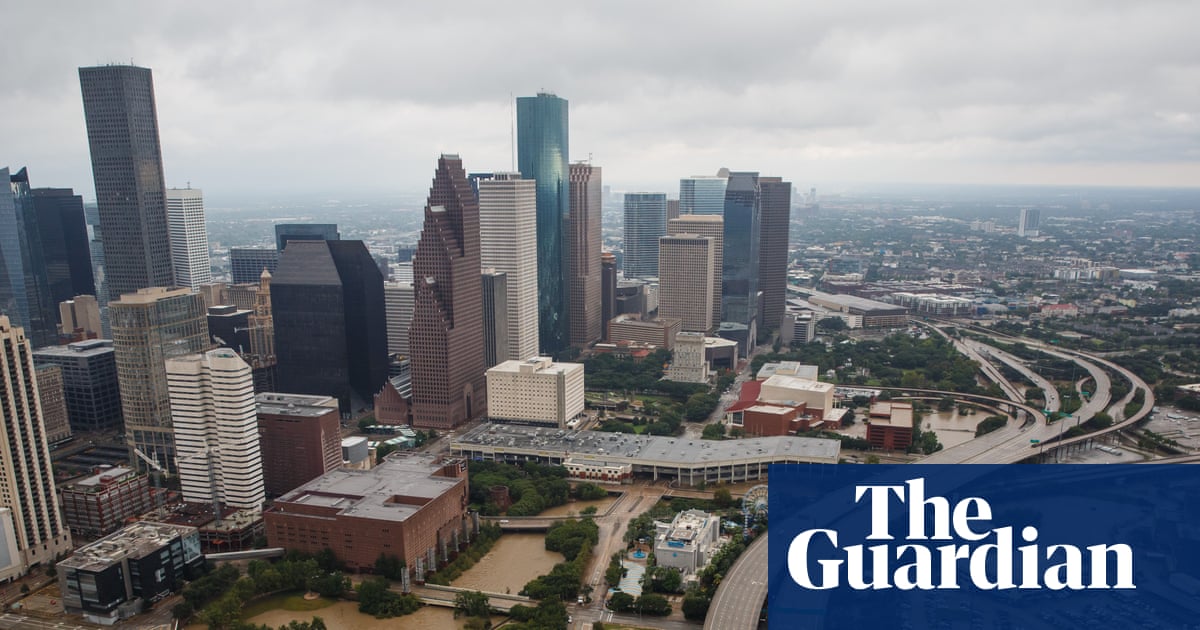
US Toxic Sites Flood Risk: A Rising Tide of O&G Liability
New research reveals a significant and growing threat to coastal infrastructure across the United States, with profound implications for the oil and gas sector. A comprehensive study indicates that over 5,500 hazardous sites nationwide could face coastal flooding by 2100 due to rising sea levels, driven by ongoing heat-trapping pollution. This isn’t a distant problem; nearly 3,800 of these facilities are projected to face flooding threats by as early as 2050. For investors, this translates into a rapidly escalating, long-term liability risk that demands immediate attention and strategic re-evaluation of coastal energy assets.
Quantifying the O&G Sector’s Exposure to a “100-Year Flood”
The study, which examined over 47,600 coastal facilities across 23 states and Puerto Rico, projects that more than 11% of these — specifically 5,500 sites — will be at risk of a 1-in-100-year flood event by the century’s end. The concentration of this risk is highly regional, with Florida, New Jersey, California, Louisiana, New York, Massachusetts, and Texas collectively accounting for nearly 80% of the vulnerable hazardous sites. This geographic distribution is particularly pertinent to the oil and gas industry, given the heavy concentration of energy infrastructure in Gulf Coast states like Louisiana and Texas, as well as refining capacity in California and New Jersey.
Digging deeper into the specifics, the research paints a stark picture for key O&G assets. Under a high emissions scenario, over a fifth of coastal sewage treatment facilities, refineries, and formerly used defense sites are projected to be at risk by 2100. Even more concerning for the energy sector, over 40% of fossil fuel ports and terminals are expected to face significant flood threats. These facilities are not just points of potential environmental contamination; they represent critical choke points in the energy supply chain. The operational disruption, potential for costly cleanups, and long-term asset impairment from such widespread flooding events present an enormous, largely unquantified, liability for companies operating in these regions.
Market Volatility and the Hidden Cost of Climate Risk
The energy markets are no stranger to volatility, driven by geopolitical events, supply-demand imbalances, and economic shifts. As of today, Brent Crude trades at $91.1 per barrel, marking an 8.34% decline, while WTI Crude stands at $83.32, down 8.61%. Gasoline prices have also seen a dip to $2.94, a 4.85% decrease. This significant daily movement follows a broader trend where Brent has fallen from $112.57 just a month ago to $98.57 yesterday, illustrating the inherent instability. While these immediate price fluctuations capture headlines, the long-term, escalating threat of climate-related liabilities, such as coastal flooding, introduces a new layer of uncertainty that current valuations may not fully reflect.
For investors, this research highlights a critical disconnect: the market’s focus on short-term catalysts often overshadows the accumulation of long-term risks. The potential for widespread damage to refineries, ports, and terminals by 2050 and beyond represents a “hidden cost” that could significantly impact future earnings, balance sheets, and ultimately, shareholder value. Companies with significant coastal assets in high-risk zones could face substantial capital expenditure requirements for adaptation and mitigation, increased insurance premiums, and potential regulatory fines or litigation costs related to environmental contamination. These factors, while not causing immediate price swings like a sudden OPEC+ announcement, are steadily building pressure on the sector’s long-term financial health.
Investor Focus Shifts: From Quotas to ESG Liabilities
Our proprietary intent data reveals that investors are keenly focused on immediate market drivers. This week, top queries include “What do you predict the price of oil per barrel will be by end of 2026?” and “What are OPEC+ current production quotas?”. These questions underscore a primary concern with supply-side dynamics and short-to-medium-term price movements. However, a growing segment of sophisticated investors is expanding their due diligence to encompass Environmental, Social, and Governance (ESG) factors, understanding that these can profoundly impact long-term returns and risk profiles.
The findings on coastal flood risk directly address an evolving investor landscape where ESG considerations are paramount. While anticipating the outcome of tomorrow’s OPEC+ JMMC meeting or the full ministerial meeting on Saturday remains critical for short-term trading, ignoring the physical risks of climate change is no longer tenable for long-term portfolio management. This study serves as a stark reminder that assets in vulnerable coastal regions could become “stranded” not just due to energy transition policies, but also from direct physical impacts like flooding. Investors are increasingly asking how companies plan to manage these risks, how they are integrating climate resilience into their capital allocation, and what their true, all-in cost of operations will be in a future shaped by a changing climate.
Strategic Imperatives: Adapting to the Inevitable
Against the backdrop of immediate market drivers like the API and EIA weekly inventory reports scheduled for next week, and the Baker Hughes Rig Count on Friday, April 24th, energy companies and investors must elevate the long-term strategic implications of this flood risk research. The study underscores that much of the flood risk by 2050 is already “locked in” due to past emissions, meaning even aggressive emissions reductions today would only slightly mitigate the risk by 2100 (reducing at-risk sites from 5,500 to 5,138). This reality necessitates a shift from solely focusing on emissions mitigation to also prioritizing comprehensive adaptation and resilience strategies.
For the oil and gas sector, this means integrating flood risk assessments into every stage of capital planning, from new project development to existing asset maintenance. Companies must develop robust plans for protecting coastal refineries, ports, and terminals, investing in infrastructure upgrades, relocation studies, or enhanced emergency response protocols. Those that proactively address these physical climate risks, transparently communicate their strategies, and allocate capital towards resilience will likely be better positioned to navigate the coming decades. Conversely, companies that fail to account for these escalating liabilities risk not only significant financial penalties but also reputational damage and decreased investor confidence in an increasingly ESG-conscious market.


