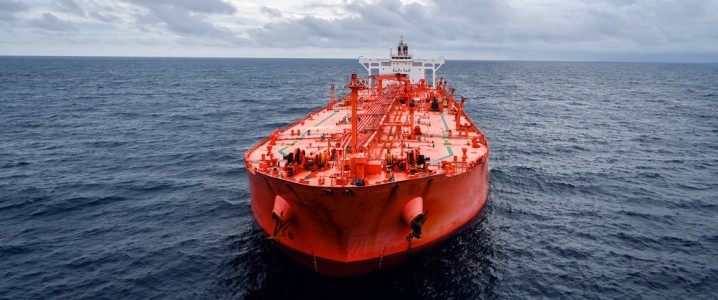
The global oil market is grappling with an increasingly opaque supply dynamic, as Iranian crude continues to flow into key Asian markets at record levels, circumventing stringent U.S. sanctions. Recent intelligence from maritime data providers reveals a significant uptick in covert shipping practices, with an expanding “dark fleet” of tankers deliberately disabling their tracking systems to obscure the origin and destination of their cargoes.
This escalating trend poses a complex challenge for investors seeking clarity in energy markets, as a substantial volume of crude oil operates outside conventional monitoring. The maneuvers underscore the persistent tension between geopolitical pressure and the relentless global demand for affordable energy resources.
The Expanding Veil: Tankers Go Dark
According to reports from leading maritime intelligence firms, tankers transporting Iranian crude, primarily destined for China, are increasingly resorting to sophisticated methods to evade detection. A prominent technique involves the deliberate deactivation of Automatic Identification System (AIS) transponders. While the practice of “going dark” is not new, analysts note a significant escalation in its frequency and duration.
Previously, vessels might briefly switch off trackers during ship-to-ship (STS) transfers to mask origin. However, the current trend indicates prolonged periods of signal blackouts, making it exponentially more challenging to trace these shipments back to their Iranian source. This heightened secrecy is particularly prevalent near the eastern coast of Malaysia, a known hub where numerous Iranian tankers engage in STS operations before their final leg to Chinese ports. These transfers are critical in creating a chain of custody that obfuscates the original loading port, effectively laundering the crude’s origin.
Sanctions vs. Supply: A Paradoxical Surge
The increased covert activity unfolds against a backdrop of renewed U.S. efforts to tighten the screws on Tehran’s oil revenue streams. Earlier this month, the U.S. State Department announced another round of sanctions, specifically targeting an alleged Iranian oil smuggling network. This network is accused of facilitating billions of dollars in crude oil sales to China, with proceeds reportedly benefiting Iran’s Armed Forces General Staff.
Despite these targeted punitive measures and ongoing diplomatic efforts to revive the 2015 nuclear accord, Iran’s oil exports have not only persisted but have surged to unprecedented levels. In a striking demonstration of resilience against sanctions, Iran’s crude shipments to China reached an all-time high of 1.8 million barrels daily in March. This figure highlights a significant disconnect between the intended impact of sanctions and the observable realities of global crude flows, challenging market assumptions about supply constraints.
China’s Critical Role and the “Teapot” Connection
China remains Iran’s largest oil client, a relationship underpinned by mutual strategic and economic advantages. For Iran, China offers a vital, albeit illicit, outlet for its crude, which is largely shunned by other major buyers due to U.S. sanctions. For China, particularly its independent refiners—colloquially known as “teapots”—Iranian crude represents a source of deeply discounted feedstock, enabling them to maintain competitive processing margins.
This symbiotic trade relationship effectively creates a parallel market for sanctioned oil. While state-owned Chinese refiners generally avoid direct dealings with Iranian crude to steer clear of U.S. penalties, the myriad of smaller, private refiners provides ample demand, often facilitated by intermediaries and the opaque shipping practices described. This dynamic ensures a steady revenue stream for Tehran and a cost advantage for a significant segment of China’s refining sector.
The Geopolitical Chessboard and Nuclear Deal Uncertainty
The U.S. policy towards Iran has been marked by a dual approach of assertive sanctions and cautious diplomacy. Since the Trump administration withdrew from the Joint Comprehensive Plan of Action (JCPOA), sanctions have been a primary tool aimed at compelling Tehran to abandon its nuclear weapons ambitions. While current administrations have engaged in negotiations to revive the nuclear deal, progress remains tentative and a positive outcome is far from assured.
The ongoing uncertainty surrounding a potential nuclear deal adds another layer of complexity for oil market investors. A successful renegotiation could theoretically lead to a lifting of sanctions, bringing a significant volume of Iranian crude back into the legitimate global market. Conversely, a breakdown in talks could prompt even more stringent sanctions, potentially disrupting the current illicit flows, although Iran has repeatedly demonstrated its ability to circumvent such measures.
Investor Implications: Navigating the Opaque Supply
For investors in the energy sector, the persistent and growing opacity of Iranian oil supplies presents several critical considerations. The 1.8 million barrels per day flowing covertly represents a substantial, yet largely unaccounted for, component of global crude supply. This volume can significantly impact global supply-demand balances and complicate price forecasting models.
The presence of this “dark fleet” introduces an element of unpredictability and geopolitical risk. Any sudden enforcement action or shift in policy could disrupt these flows, potentially tightening the market and driving up prices. Conversely, the continued, unimpeded flow acts as a de facto cap on price spikes, mitigating the impact of supply disruptions elsewhere.
Furthermore, the compliance risks for companies involved in maritime trade, finance, and refining are heightened. Investors must assess the potential for secondary sanctions or reputational damage associated with any inadvertent links to the illicit oil trade. The enduring challenge for market participants is to accurately gauge the true global supply picture when a significant portion operates under a veil of secrecy.
Conclusion: An Unfolding Narrative
The narrative of Iranian oil supply is a study in paradox: escalating sanctions juxtaposed with record-breaking exports. The ingenuity employed by Iran and its buyers to circumvent international restrictions highlights the complex interplay of economics, geopolitics, and energy security. As the world grapples with energy transitions and geopolitical volatility, the opaque flows of Iranian crude will remain a critical, albeit shadowy, factor influencing global oil markets and demanding close attention from discerning investors.