US Port Fees Threaten Energy Shipping Profitability
The global energy and commodities landscape is bracing for significant turbulence as the current administration pushes forward with ambitious new trade policies. At the forefront of these concerns are proposed reciprocal tariffs on key trading partners and, more acutely for the maritime sector, a contentious plan to impose substantial fees on foreign vessels calling at American ports. These measures are poised to fundamentally reshape major business operations, both domestically and across intricate international supply chains, with particularly acute implications for the already razor-thin margins in oil and gas shipping.
Official signals indicate an intention to roll out reciprocal tariffs as early as April 2. These levies would target nations identified by Treasury Secretary Scott Bessent as the “dirty nine,” a group that notably includes long-standing allies such as South Korea. This assertive posture has already ignited fervent discussions surrounding trade restrictions across the Asia Pacific region. While a recent announcement deferring proposed duties on sectors like automobiles offered a brief respite, the broader outlook for global commerce remains heavily clouded by uncertainty, demanding vigilance from investors in energy and logistics.
Navigating the $1.5 Million Docking Charge: Investor Implications
Among the most contentious proposals is the plan to levy considerable fees on Chinese vessels entering US ports. This initiative, reportedly conceived to help revitalize American shipbuilding capabilities, has immediately drawn sharp criticism from a diverse array of industry stakeholders within the United States. Critics contend that such a move could severely cripple vital trans-Pacific trade routes and disproportionately impact smaller US ports, which depend heavily on consistent and high-volume vessel traffic for their economic viability. For oil and gas investors, this signifies potential choke points in global energy distribution.
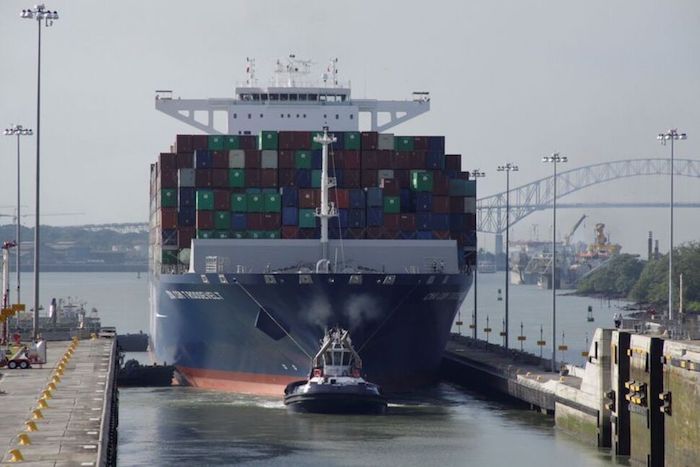
The proposed fee structure is steep and unprecedented: up to a staggering $1.5 million for every instance a Chinese vessel docks. According to a proposal originating from the US Trade Representative’s office, this substantial levy would be enforced through an executive order, with the unsettling prospect of retrospective application. The mandate would target ships manufactured in China or those belonging to fleets that include China-made vessels, casting a wide net over a significant portion of the global shipping fleet. However, a powerful coalition of US export and farming organizations has vehemently opposed the plan, deeming it utterly unworkable due to a critical lack of available alternative vessels from US or other trading partners to handle the current volume of goods. This scarcity of alternatives is a critical risk factor for maintaining stable energy supply chains.
Energy Export Sector on Edge: Beyond Coal and Agriculture
The potential ramifications of these port fees are already creating ripples, particularly within the US energy and agriculture sectors. Reports indicate that domestic coal inventories are beginning to swell as exporters grapple with the looming uncertainty. Similarly, the agricultural market is permeated with apprehension as exporters struggle to secure reliable shipping capacity for their international buyers. Major US exporters and transportation providers, in their communications with US officials and prior to recent USTR hearings, have underscored how the mere prospect of these fees has already curtailed the availability of ships essential for moving agricultural goods and, by extension, critical energy commodities like crude oil, refined products, and liquefied natural gas (LNG).
For investors focused on oil and gas, the implications are profound. Higher port fees directly translate into increased operational expenditures for tanker operators, LNG carriers, and product tanker fleets. This upward pressure on costs will inevitably squeeze shipping margins, potentially reducing profitability for maritime transport companies. Furthermore, the risk of retrospective application introduces an unpredictable financial liability that could significantly impact quarterly earnings and balance sheets. Energy producers relying on exports will face higher shipping costs, potentially making their products less competitive in global markets or forcing them to absorb a portion of these increased expenses.
Disruption to Global Oil & Gas Supply Chains
The proposed measures threaten to introduce substantial disruption to global oil and gas supply chains. If a significant portion of the world’s commercial fleet, particularly those with Chinese manufacturing ties, faces prohibitive docking fees or is otherwise deterred from US ports, the resulting scarcity of compliant vessels could lead to several critical outcomes. We could see a sharp increase in freight rates for compliant ships, driving up the cost of transporting crude oil from the US Gulf Coast to Asian refineries, or moving LNG from US terminals to European and Asian markets. This could create arbitrage opportunities for those with compliant fleets but also significant cost increases for producers and refiners.
Moreover, the potential for rerouting and longer transit times for non-compliant vessels could exacerbate logistical bottlenecks and increase demurrage charges. This adds another layer of complexity and cost to an already intricate global energy trade network. Investors should consider the potential for delays in crude oil deliveries, disruptions to refined product exports, and the impact on the reliability of LNG supply from US terminals. The uncertainty alone can deter long-term investment in US export infrastructure if the ease and cost of international shipping become unpredictable.
Investment Outlook Amidst Trade Headwinds
In this evolving trade environment, investors must meticulously assess their exposure to the maritime logistics sector and energy companies heavily reliant on international trade. Companies with diversified fleets, less dependence on Chinese-built vessels, or strong alternative trade routes may be better positioned to navigate these challenges. Conversely, those with significant exposure to trans-Pacific routes or fleets comprising a high proportion of China-made ships could face substantial headwinds.
The broader economic impact also warrants close scrutiny. If these fees escalate costs for US exporters, it could dampen demand for US-produced crude, refined products, and LNG. This could, in turn, affect the profitability of upstream and midstream energy companies. Furthermore, the potential for retaliatory measures from targeted nations could further complicate international trade, creating a cascading effect on global energy markets. As an investor, understanding these complex dynamics and their potential to shift profitability across the energy value chain is paramount. The prospect of a $1.5 million docking fee is not merely a bureaucratic charge; it is a direct challenge to the economic efficiency and stability of global energy trade.
Keeping a close watch on policy developments, particularly around the April 2 deadline and any subsequent executive orders, will be crucial for making informed investment decisions in the volatile energy and shipping sectors. The current trade policy proposals underscore the growing intersection of geopolitics and global energy finance, demanding a nuanced and proactive approach from market participants.