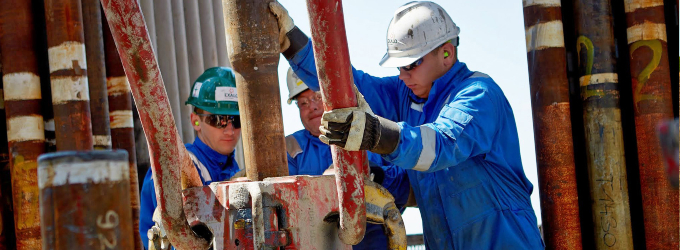
In a significant development for the global energy landscape, particularly within the orbit of US foreign policy and Venezuelan oil production, the United States government is reportedly set to issue a highly restrictive license to Chevron Corporation. This forthcoming authorization will permit the American oil giant to undertake only essential maintenance activities and critical safety-related functions within its Venezuelan operations, according to sources familiar with the decision.
The Treasury Department is expected to finalize this narrowly defined waiver, which stands in stark contrast to broader operational permissions Chevron has held in the past. This move effectively curtails any potential for increased production or new investments, signaling a continued hardline stance from Washington against the Maduro regime, even as it allows for the preservation of vital infrastructure.
Strategic Tightening of Sanctions
This decision follows a period where the US had explicitly directed Chevron and other American energy firms to systematically wind down their production activities in the South American OPEC member nation. Secretary of State Marco Rubio recently affirmed that Chevron’s existing, broader license was slated to expire as scheduled on May 27th, dispelling earlier speculation of an extension.
The announcement from Secretary Rubio poured cold water on expectations that the US would grant Chevron a 60-day reprieve to continue operating under its more expansive terms. These expectations had been fueled by comments from Ric Grenell, then President Donald Trump’s special envoy, who suggested an extension was imminent after diplomatic engagements with Venezuelan officials, which notably included the return of an imprisoned US veteran. The current, more constrained license therefore represents a reassertion of the US administration’s stringent sanctions policy, prioritizing political pressure over commercial flexibility.
For investors monitoring the Venezuelan oil sector, the immediate question arises regarding other American companies operating in the region. It remains unclear whether similar, highly restrictive licenses will be extended to other US-based firms, or if Chevron’s situation is being handled as a unique case given its long-standing presence and substantial asset base within the country. This uncertainty adds another layer of complexity to the operational environment for international oil companies navigating Venezuela’s volatile political and economic landscape.
A Familiar, Restricted Operating Environment
The new, more restrictive license is anticipated to closely mirror the authorization Chevron held until November 2022. That earlier permit allowed Chevron and a select group of US oilfield service providers to maintain a limited presence in Venezuela. Crucially, it expressly forbade new capital investments and, perhaps most significantly for global crude markets, prohibited the export of Venezuelan crude oil by these entities. This framework effectively kept US companies from participating in the revenue stream that could benefit the Maduro government, while allowing them to protect their substantial, long-term assets from degradation.
The historical context of these licenses is vital for understanding the current development. Just prior to the December 2022 expiration of the aforementioned limited authorization, the Biden administration had granted Chevron a significantly broader waiver. This expansive permit allowed the company to both produce and sell oil in Venezuela, marking a distinct shift in policy.
This broader authorization was a strategic play by the Biden administration, aimed at encouraging President Nicolás Maduro’s return to negotiations with the Venezuelan opposition. The objective was to discuss conditions for a fairer presidential election in 2024, an electoral process that was subsequently widely condemned as fraudulent by international observers. The move underscored how US energy policy in Venezuela has consistently been intertwined with diplomatic objectives and political leverage.
The Reversal: Trump’s Stance and Political Maneuvering
The broader waiver granted by the Biden administration was, however, emphatically revoked by Donald Trump in late February of this year. In a social media post, Trump declared, “We are hereby reversing the concessions that Joe Biden gave to Nicolás Maduro, of Venezuela, on the oil transaction agreement.” This public declaration underscored a clear intent to unwind any perceived leniency towards the Maduro regime, aligning with a more aggressive sanctions posture.
This latest development regarding Chevron’s license arrives amid renewed diplomatic efforts and continued US support for the Venezuelan opposition. Secretary Rubio recently met with five Venezuelan opposition aides who had just escaped after more than a year in hiding within Argentina’s embassy in Caracas, seeking refuge from the Maduro regime. During this significant encounter, Rubio reportedly reaffirmed unwavering US support for the democratic aspirations of the Venezuelan people and the opposition’s efforts.
Implications for Investors and the Oil Market
For oil and gas investors, this narrowly tailored license for Chevron carries several key implications. Firstly, it reinforces the significant geopolitical risk associated with investments in Venezuela. While Chevron’s continued minimal presence helps preserve assets, it signals that any meaningful ramp-up in Venezuelan oil production through US companies remains off-limits, at least for the foreseeable future. This limits potential upside from one of the world’s largest proven oil reserves.
Secondly, the decision highlights the intricate dance between energy policy and foreign policy. The US administration is clearly using access to its domestic energy companies as a powerful lever in its broader diplomatic strategy towards Venezuela. Investors must therefore factor in geopolitical considerations as paramount when assessing opportunities in politically sensitive regions.
Finally, while Venezuela’s current oil output is a fraction of its historical peak, its potential remains a significant variable for global energy markets, particularly as an OPEC member. By restricting major Western operators like Chevron, the US limits the country’s ability to quickly increase production, which could otherwise influence global supply dynamics and crude oil prices. This strategic move, while allowing for asset preservation, underscores a commitment to pressure the Maduro regime, even if it means foregoing potential contributions to global oil supply from one of the world’s most resource-rich nations.


