Geopolitical Tensions and the Future of Oil: A Deal Emerges from the Strait of Hormuz Standoff
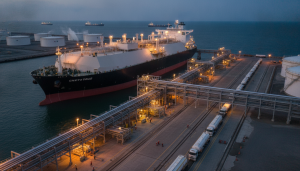
The global energy landscape holds its breath as diplomatic efforts intensify to de-escalate the volatile standoff in the Strait of Hormuz. With a ship still anchored precariously near Iran’s Larak Island on May 16, 2026, the protracted conflict between the United States and Iran, sparked by the February 28 attacks, continues to cast a long shadow over international oil markets. However, recent developments suggest a potential breakthrough, offering a glimmer of hope for stability and a recalibration of investor strategies.
Sources close to the negotiations indicate that mediators are nearing a critical agreement: a 60-day extension to the fragile ceasefire between the U.S. and Iran, coupled with a framework for substantive nuclear discussions. This proposed deal, currently under review by U.S. officials, outlines a phased reopening of the Strait of Hormuz, a crucial artery for global crude shipments. For energy investors, the implications are profound, promising relief from the geopolitical risk premium that has buoyed oil prices and exacerbated global inflationary pressures.
Unpacking the Proposed Agreement: Market Implications
The details of the potential accord reveal several key components that could significantly impact energy markets and global economics. Beyond the immediate ceasefire extension, the agreement reportedly includes commitments to discuss Iran’s contentious stockpile of highly enriched uranium, a phased easing of economic sanctions, and the gradual unfreezing of Tehran’s overseas assets. An Iranian foreign ministry spokesperson confirmed progress on a “memorandum of understanding” for the initial phase of war cessation, with broader talks anticipated within 30 to 60 days.
For investors, the prospect of eased sanctions on Iran is particularly salient. A return of Iranian crude to the global market could introduce substantial new supply, potentially moderating prices for benchmark crudes like Brent and WTI. Analysts are keenly watching how such an influx would be managed within the existing OPEC+ framework and its impact on the delicate supply-demand balance. The unfreezing of Iranian assets could also inject liquidity into the Iranian economy, potentially fostering downstream investment opportunities, though significant hurdles remain.
The Global Energy Crisis: A Result of Hormuz Disruptions
The ongoing conflict has been a primary driver of what Gulf states have dubbed the “worst global energy crisis in decades.” Disruptions in the Strait of Hormuz, through which a significant portion of the world’s seaborne oil passes, have created immense supply chain anxieties and spiked energy prices in critical consuming nations, including the U.S. These elevated energy costs have fueled rising inflation, intensifying expectations that the Federal Reserve and other central banks may be compelled to implement further interest rate increases. Such actions carry the risk of stifling economic growth, adding another layer of complexity for global investors.
The fragile ceasefire, in place since April 8, has been punctuated by intermittent skirmishes as both the U.S. and Iran vied for control and influence over this strategic waterway. This dynamic instability has kept a high-risk premium embedded in oil prices, creating an unpredictable environment for energy sector investments. A definitive agreement to stabilize the Strait and initiate broader nuclear talks is therefore paramount for restoring investor confidence and tempering market volatility.
Navigating Sticking Points: Iran’s Resolve and U.S. Demands
Despite the optimistic reports from mediators, significant obstacles persist. Iran’s top negotiator recently reiterated the nation’s steadfast refusal to compromise on its “legitimate rights” and expressed deep-seated distrust of the United States. Furthermore, Iran’s Parliament Speaker Mohammad Baqer Qalibaf indicated that the country’s armed forces have successfully rebuilt capabilities damaged since the conflict’s outset in late February, signaling continued military resilience.
A major sticking point remains U.S. President Donald Trump’s firm demand that Iran relinquish its enriched uranium and permanently forgo any nuclear weapons capacity. President Trump also insists on the dismantling of key Iranian nuclear sites at Natanz, Fordow, and Isfahan – facilities that were bombed by the U.S. following its entry into Israel’s war against Iran last June. While President Trump confirmed that the U.S. refrained from renewing attacks this week due to “serious negotiations,” the deep chasm between these core demands highlights the fragility of the current diplomatic push. Iran’s foreign ministry acknowledged the paradoxical situation, stating the two sides are both “very far and very close” to a resolution, citing the U.S.’s “conflicting stances” on multiple occasions.
Regional Appeals and the Path Forward for Investors
The urgency for a resolution is keenly felt by neighboring Gulf states, including Saudi Arabia, Qatar, and the UAE. These nations have reportedly urged President Trump to suspend military actions, driven by fears of Iranian retaliation within the region and further catastrophic damage to the global energy markets. Pakistani and Qatari negotiators have been actively engaged, holding direct talks with Iranian counterparts while maintaining regular communication with U.S. envoy Steve Witkoff, illustrating the broad international effort to defuse the crisis.
For investors monitoring the oil and gas sector, the coming days are critical. President Trump’s reported consideration of a decision on Sunday, as well as the ongoing “memorandum of understanding” finalization by Iran, will dictate short-term market movements. While a lasting peace and the full integration of Iranian oil into global supply remain uncertain, even a temporary ceasefire and a framework for talks can significantly de-risk energy investments. Investors should continue to watch for concrete details on sanctions relief, the pace of the Strait’s reopening, and any definitive commitments regarding Iran’s nuclear program, as these factors will shape the trajectory of global crude prices and the broader energy market landscape for the foreseeable future.