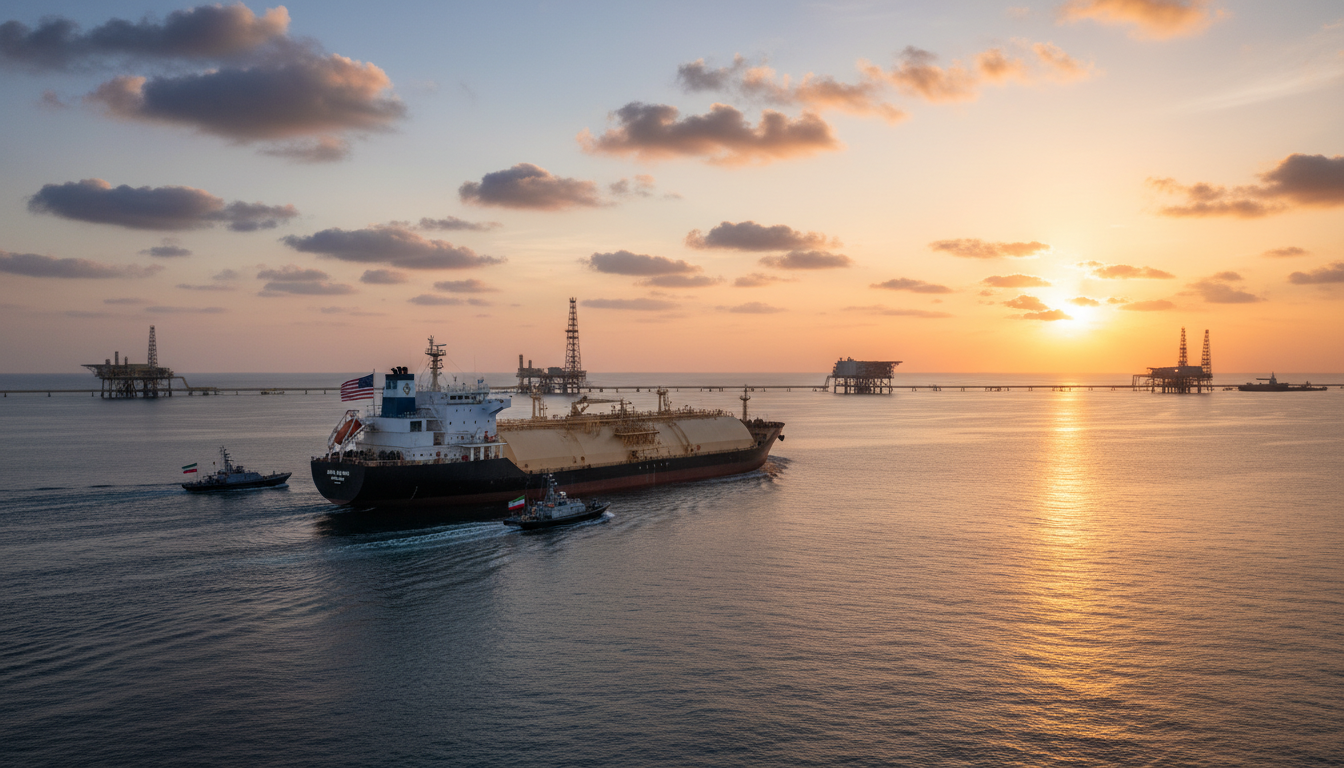
The highly volatile waters of the Strait of Hormuz recently witnessed a pivotal moment for global energy markets, as the India-flagged LPG tanker, Jag Vikram, successfully navigated the critical maritime chokepoint. This transit, occurring between Friday night and Saturday morning, marks a significant development, being the first such movement by an Indian vessel since the temporary two-week ceasefire announcement by the United States and Iran. For investors keenly monitoring geopolitical risk and supply chain stability, this event offers a cautious signal of potential de-escalation and underscores the enduring fragility of Middle Eastern shipping lanes.
The Jag Vikram, laden with approximately 20,000 tonnes of liquefied petroleum gas (LPG), completed its passage through the Strait, proceeding eastward into the Gulf of Oman. As of Saturday noon IST, the vessel was observed maintaining its easterly course, moving away from the immediate area of heightened tension. This journey represents a crucial step for India’s energy security and provides a litmus test for the effectiveness of recent diplomatic overtures in safeguarding vital shipping corridors.
Navigating Geopolitical Crosscurrents: A Deeper Look at the Transit
The successful passage of the Jag Vikram is more than just a routine shipping event; it serves as a barometer for assessing the current state of maritime security in a region historically prone to disruptions. Its transit follows an extended period of heightened tension that left numerous vessels stranded and significantly constrained movement through the Strait. Industry observers note that prior passages often necessitated explicit coordination with Iranian authorities, highlighting the complex operational environment faced by shipping companies in West Asia.
This particular tanker holds significance as it is the ninth Indian vessel to depart West Asia since the beginning of March. However, the broader picture reveals ongoing challenges: a substantial fleet of 15 other India-flagged vessels remains in the region, awaiting their opportunity to exit. This backlog includes a diverse array of crucial energy and cargo carriers, painting a picture of persistent logistical bottlenecks despite isolated successes.
Vessel Specifics and Fleet Composition: Insights for Investors
The Jag Vikram is identified as a mid-sized gas carrier (MGC), an asset owned by the Mumbai-based Great Eastern Shipping Company. With a deadweight capacity exceeding 26,000 tonnes, this vessel plays an important role in the transportation of refined petroleum products. For investors in the shipping sector, the operational resilience and strategic asset deployment by companies like Great Eastern Shipping are critical indicators in a volatile market. The fact that Jag Vikram had been awaiting clearance to traverse the Strait for over a week underscores the delays and uncertainties that have plagued regional shipping, contrasting with the Green Asha’s transit on April 5.
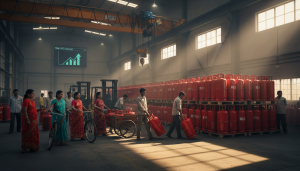
A broader analysis of Indian fleet movements provides further insights. Among the eight other Indian LPG tankers that have recently transited the Strait of Hormuz, seven were very large gas carriers (VLGCs), which boast more than double the carrying capacity of MGCs. Only one other MGC was among this group. This varied fleet composition demonstrates India’s significant reliance on both medium and large gas carriers to secure its LPG supplies, a vital energy source for its rapidly growing economy.
Ongoing Challenges and Market Implications for Energy Investors
Despite the positive development with the Jag Vikram, the substantial number of Indian vessels still awaiting departure from West Asia highlights the continued fragility of supply chains. The remaining 15 vessels comprise a critical mix for India’s energy and trade landscape:
- At least one additional LPG tanker
- Four crude oil tankers, vital for India’s refining sector
- One liquefied natural gas (LNG) carrier, crucial for natural gas imports
- One chemical tanker
- Three container ships, impacting general trade
- Two bulk carriers
- Several vessels undergoing routine maintenance, whose timelines may be affected by the broader operational environment.
For investors, the implications are multifaceted. The successful, albeit cautious, movement through the Strait of Hormuz could temper some of the extreme geopolitical risk premiums embedded in oil and gas futures. However, the enduring presence of stranded vessels suggests that shipping costs, insurance premiums, and potential delays will remain elevated. Companies with significant exposure to Middle Eastern shipping routes, including tanker operators, commodity traders, and energy refiners, must continue to factor in these operational complexities and uncertainties.
The incident with the Jag Vikram underscores the delicate balance between geopolitical maneuvering and the continuous flow of global energy supplies. While the temporary ceasefire signals a potential window for de-escalation, the full normalization of shipping in the Strait of Hormuz remains a critical watchpoint for all participants in the oil and gas investment landscape. Persistent vigilance over regional stability and its direct impact on energy logistics will be paramount for informed investment decisions in the coming months.