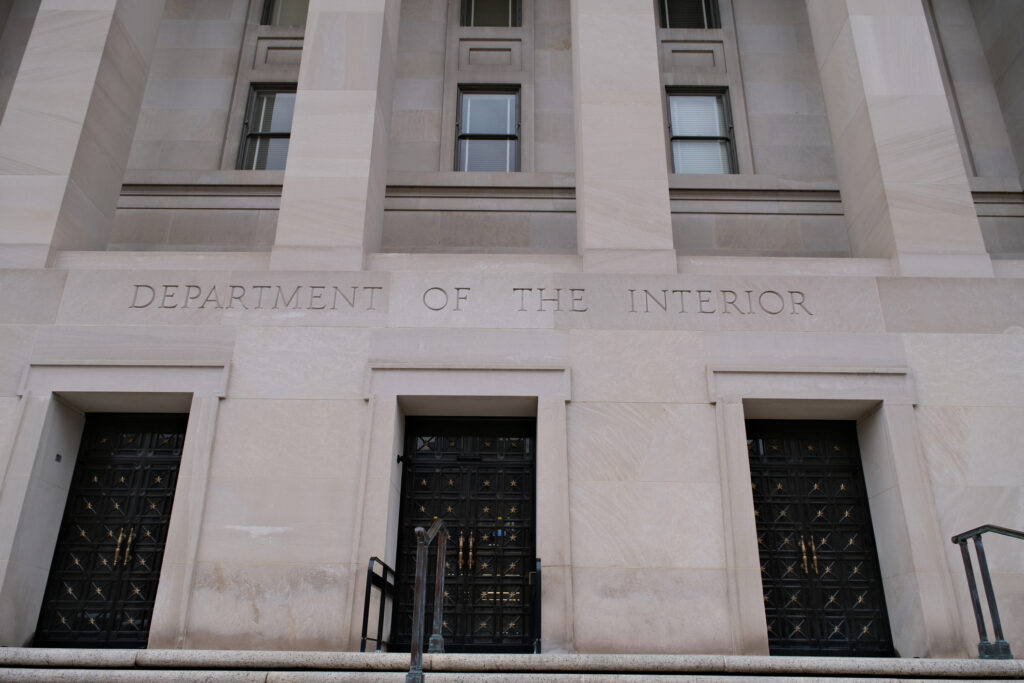
The imperative for a robust and predictable U.S. offshore energy strategy has reached a critical juncture, with a powerful coalition of over 100 energy trade groups calling on the Department of the Interior to unlock the full potential of the Outer Continental Shelf (OCS). This concerted push for expanded access and consistent lease sales comes at a time of significant market volatility, underscoring the urgent need for stable, domestic supply streams. For investors navigating an unpredictable global energy landscape, understanding the implications of a revitalized OCS program is paramount, potentially reshaping long-term investment theses in the oil and gas sector.
Market Dynamics Underpinning the Call for OCS Expansion
The current market environment provides a stark backdrop to the renewed advocacy for U.S. offshore development. As of today, Brent crude trades at $90.38 per barrel, marking a significant 9.07% decline from yesterday’s close and reflecting a broader -18.5% slide from $112.78 just two weeks ago. WTI crude mirrors this trend, currently at $82.59, down 9.41%. This rapid depreciation, alongside a 5.18% drop in gasoline prices to $2.93, highlights the inherent instability of global energy markets and the constant interplay of supply, demand, and geopolitical factors. In this context, domestic production stability from a well-managed OCS program could serve as a crucial buffer against external shocks, offering a more predictable supply line for the U.S. economy and potentially stabilizing prices for consumers. The industry’s unified voice emphasizes that leveraging America’s rich offshore resources, including in the Gulf of Mexico, Alaska, Pacific, and Atlantic, is essential for sustaining the nation’s energy advantage for decades.
The Economic Promise and Production Potential of a Revitalized OCS
The economic arguments for expanding OCS development are compelling. Currently, U.S. offshore operations contribute approximately 14% of total domestic crude oil production, equating to nearly 2 million barrels of oil per day (bopd). The groups advocating for expanded access project that robust offshore oil and natural gas development could generate over $8 billion in additional government revenue by 2040. This substantial fiscal injection would not only benefit federal coffers but also stimulate significant investment across the energy value chain, from exploration and production companies to offshore service providers and infrastructure developers. For investors keenly asking about the future trajectory of oil prices, especially inquiries like “what do you predict the price of oil per barrel will be by end of 2026?”, the potential for increased domestic supply from the OCS introduces a significant variable. A predictable leasing schedule could de-risk long-term investments, encouraging capital deployment into projects that promise sustained output, thereby influencing future supply-demand balances and potentially tempering extreme price volatility.
Navigating the Regulatory Landscape and Upcoming Catalysts
The Department of the Interior Secretary has already directed the Bureau of Ocean Energy Management (BOEM) to initiate the process of developing a new schedule for offshore oil and gas lease sales. This directive signals a potential shift from previous policies that restricted and blocked lease sales, paving the way for a more consistent and robust five-year offshore leasing program. The importance of this administrative action is underscored by a packed calendar of upcoming energy events, which will undoubtedly shape the broader market sentiment and the perceived urgency of domestic supply expansion. The OPEC+ JMMC meeting on April 18th and the full Ministerial meeting on April 19th are critical dates, as discussions around current production quotas directly impact global supply. Investors are closely monitoring these gatherings, with questions like “What are OPEC+ current production quotas?” frequently arising. Any decisions made by OPEC+ could amplify the argument for increased domestic output as a hedge against potential supply constraints or market manipulation. Furthermore, weekly data releases such as the API Crude Inventory (April 21st, 28th) and EIA Petroleum Status Report (April 22nd, 29th), alongside the Baker Hughes Rig Count (April 24th, May 1st), will provide ongoing insights into current supply levels and drilling activity, feeding into the broader narrative for U.S. energy independence and OCS development.
Investor Considerations for the Future of Offshore
A renewed commitment to U.S. offshore leasing presents a significant opportunity for investors to evaluate and recalibrate their portfolios. The development of a clear, predictable five-year leasing program could unlock substantial value for companies with significant OCS exposure, ranging from major integrated oil companies to specialized offshore drillers and service firms. Questions from our readers, such as “How well do you think Repsol will end in April 2026,” highlight the investor community’s focus on individual company performance amidst broader market shifts. Companies with proven capabilities in deepwater exploration and production, and those poised to secure new leases, stand to benefit most from an expanded OCS program. However, investors must also consider the timeline for these projects, which often span years from leasing to first oil, as well as potential environmental challenges and regulatory hurdles that may still emerge. The long-term benefits of OCS production, reflecting the reality of global energy demand, dictate that a strategic, long-view approach will be essential for capitalizing on this evolving opportunity.