US Grid Reliability Crisis to Ignite Natural Gas Markets This Summer
The United States power grid is bracing for an intense summer, facing a confluence of challenges that could push its reliability to the brink. According to the Federal Energy Regulatory Commission’s (FERC) recent summer outlook, a potent mix of searing temperatures, an insatiable appetite for electricity from burgeoning AI data centers, and the premature retirement of reliable baseload power plants are setting the stage for an unprecedented stress test. For investors in the oil and gas sector, particularly those focused on natural gas, these looming grid vulnerabilities signal significant market implications and potential price volatility.
Mounting Demand: Heatwaves and AI’s Power Thirst
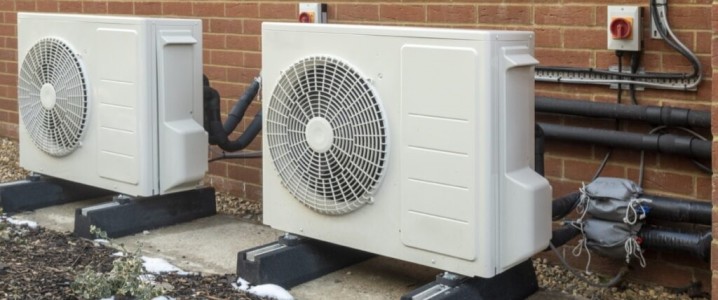
Projections indicate a summer of extreme heat across much of the nation. Western and Southeastern states, in particular, face a formidable 40-60% probability of experiencing above-normal temperatures. This translates directly into a surge in air conditioning usage, placing immense strain on electricity grids already operating close to their maximum capacity. Beyond residential and commercial cooling, a new, formidable demand driver has entered the fray: artificial intelligence. The relentless expansion of AI data centers, which require colossal amounts of electricity to power their sophisticated processors and cooling systems, is adding an unforeseen and rapidly escalating load to the grid. These power-hungry facilities are popping up with increasing frequency, contributing significantly to the demand side of the energy equation.
The combination of these factors creates a demand scenario that many grid operators have not adequately prepared for. While traditional summer peaks are predictable, the additional, continuous baseline demand from AI, coupled with potential record-breaking heatwaves, could push demand curves into uncharted territory, making grid management an exceptionally precarious balancing act.
Supply-Side Constraints: The Perilous Energy Transition
Adding to the demand pressures is a problematic trend on the supply side. The nation is witnessing an accelerating pace of retirement for older, but highly dependable, coal and natural gas-fired power plants. These facilities, often capable of providing continuous, dispatchable power, are being taken offline faster than new, clean energy alternatives can be brought online and integrated effectively. While the long-term goal of decarbonization is clear, the interim period presents significant reliability challenges.
Renewable energy sources, such as wind and solar, while critical for the future, come with their own set of operational limitations. Periods of low wind or reduced sunlight can lead to “lulls” or “slumps,” where their output drops significantly, leaving a generation gap that must be quickly filled by other sources. Furthermore, environmental factors such as droughts can severely curtail hydropower generation, removing another significant source of clean, dispatchable electricity from the mix. Wildfires, a growing concern in hotter climates, also pose a direct threat to transmission lines, potentially isolating communities and exacerbating regional power shortages.
This supply-demand imbalance is a critical concern highlighted by FERC. The regulatory body warns that if these conditions materialize, grid operators may be forced to implement “operational mitigations” – a polite term for measures that could include rolling blackouts and a sharp increase in consumer electricity bills. For investors, this signals an environment where reliable power generation becomes a premium commodity.
Geographic Hotspots: Where the Grid is Most Vulnerable
FERC has specifically identified several regions as particularly susceptible to reliability issues this summer. These “weak links” include Texas, the Midwest, the Mid-Atlantic, New England, and the Southwest. Each of these areas presents unique challenges:
- Texas: Prone to extreme heat and a grid that operates largely independently, making it vulnerable to isolated events.
- Midwest & Mid-Atlantic: Regions with aging infrastructure and a significant number of planned plant retirements, coupled with high industrial and residential demand.
- New England: Faces infrastructure constraints and a heavy reliance on natural gas imports, making it sensitive to supply disruptions and price spikes.
- Southwest: Battling intense heat, drought conditions impacting hydropower, and a growing population, all stressing its energy infrastructure.
Should any of these regions experience a localized heat dome, a prolonged wind lull, or an unexpected plant outage, the consequences could be severe, leading to localized energy crises that ripple through national energy markets.
Natural Gas: The Indispensable Backstop and Market Catalyst
In this challenging environment, natural gas is poised to play an absolutely critical role. As the most flexible and readily dispatchable fossil fuel, natural gas-fired power plants are the primary choice for ramping up electricity generation quickly to meet sudden spikes in demand or to compensate for dips in renewable output. When the grid faces stress, it is typically natural gas that is called upon to ensure lights stay on and systems remain operational.
This inherent reliance on natural gas during peak demand periods means that any significant grid reliability issues will inevitably translate into increased demand for the commodity. A hot summer, coupled with AI-driven load growth and renewable intermittency, will force utilities to burn more natural gas to keep pace. This heightened demand, particularly in constrained regions, will exert upward pressure on natural gas prices. Investors should be keenly aware that this scenario could translate into robust performance for natural gas producers, midstream companies involved in gas transportation, and even certain utility companies with diversified generation portfolios.
While the broader energy transition aims to reduce reliance on fossil fuels, the immediate reality for grid stability underscores natural gas’s indispensable role as a critical bridge fuel, especially during periods of extreme weather and rapid technological shifts like the AI boom. The market is not just pricing in supply and demand, but increasingly, the cost of reliability.
Investment Implications for the Energy Sector
For discerning investors, the FERC outlook and the underlying grid vulnerabilities present a complex but potentially lucrative landscape. Companies involved in natural gas exploration and production (E&P) stand to benefit from increased demand and potentially higher prices. Midstream operators with robust pipeline infrastructure connecting major gas basins to power generation hubs will also see increased utilization.
Furthermore, the long-term implications for the utility sector are significant. Companies that have invested in diversified generation portfolios, including flexible natural gas capacity, or those with advanced grid management technologies, may navigate the summer better than others. Conversely, utilities heavily reliant on intermittent renewables without sufficient baseload backup could face operational and financial challenges.
The energy market is at an inflection point, balancing the push for sustainability with the fundamental need for reliable and affordable power. This summer will serve as a stark reminder that while the transition is underway, the existing energy infrastructure, and particularly natural gas, remains the backbone of grid stability. Monitoring weather forecasts, AI data center expansion rates, and regional grid alerts will be crucial for investors seeking to capitalize on the evolving dynamics of the US energy market.