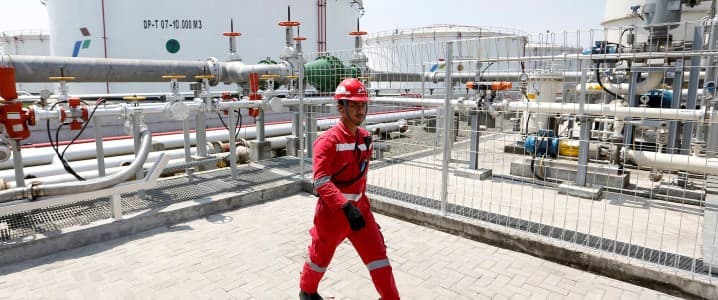
In a significant development for global energy markets and international trade relations, Indonesia, Southeast Asia’s largest economy, is actively exploring substantial imports of refined petroleum products from the United States. This strategic pivot, driven by a desire to rebalance its trade relationship with Washington and mitigate the threat of punitive tariffs, could unlock a new wave of demand for American energy exports, offering compelling insights for investors monitoring the oil and gas sector.
State-owned energy giant Pertamina is reportedly evaluating the feasibility of sourcing oil products directly from the United States. This move comes amid ongoing high-level trade and tariff discussions between Jakarta and Washington, where Indonesia has committed to demonstrating concrete steps towards narrowing its trade surplus with America. A key component of this strategy involves a deliberate increase in purchases of U.S. goods, with energy products featuring prominently on the agenda.
The Geopolitical Calculus Driving Fuel Demand
The impetus for this shift is rooted deeply in geopolitical considerations and the immediate threat of escalating trade protectionism. Indonesia’s Energy Minister, Bahlil Lahadalia, has been unequivocal in his directive to Pertamina, urging the company to prioritize American fuel imports despite inherent logistical challenges. “There is no excuse,” Lahadalia reportedly stated, emphasizing that the country already successfully imports liquefied petroleum gas (LPG) from the U.S., setting a precedent for broader energy trade.
This ministerial mandate is a direct response to the Trump administration’s imposition of significant ‘reciprocal’ tariffs on various Asian nations earlier in April. Indonesia found itself targeted with one of the steepest levies – a substantial 32% tariff – under what were termed “liberation day” tariffs. While these tariffs have been temporarily suspended until early July, the reprieve is contingent upon countries like Indonesia actively engaging in negotiations and committing to boost their imports of U.S. goods to avert the full impact of these duties.
Lahadalia underscored the multifaceted nature of this decision, noting in May, “It is not only a matter of price but also geopolitical issues; we need to have a balance with other countries.” This statement highlights Indonesia’s strategic intent to diversify its energy sourcing and use trade as a tool for diplomatic engagement, rather than solely a function of immediate cost efficiency. For energy investors, this signals a market where political will can override traditional economic drivers, creating new pathways for demand.
Navigating Logistical Complexities for US Energy Exports
While the political will is evident, the practicalities of executing such a large-scale shift are not without hurdles. Importing fuel from the United States to Indonesia is a considerably longer logistical undertaking compared to existing supply routes. A cargo journey from the U.S. typically spans approximately 40 days, a stark contrast to the mere one to two weeks required for shipments originating from closer Asian or Middle Eastern suppliers. This extended transit time inherently introduces higher shipping costs, increased inventory holding periods, and greater exposure to price volatility for Indonesian importers.
Despite these operational disadvantages, Indonesian authorities appear resolute in their commitment. The determination to avoid the 32% tariff, which would significantly inflate the cost of Indonesian exports to the U.S., is a powerful motivator. This economic calculus, combined with the strategic imperative to foster a more balanced trade relationship, appears to outweigh the current logistical premium for sourcing American refined products.
Expanding the Energy Basket: Oil and LPG Commitments
The scope of Indonesia’s proposed energy acquisition from the U.S. is substantial. In April, Minister Lahadalia publicly announced Indonesia’s offer to purchase an additional $10 billion worth of American oil and liquefied petroleum gas. This commitment represents a significant expansion of energy trade, moving beyond the existing LPG imports and signaling a broader diversification of refined product sourcing.
This strategic shift also implies a re-evaluation of Indonesia’s current energy supply arrangements. Lahadalia previously indicated that the nation intends to reduce its reliance on fuel imports from traditional regional hubs like Singapore, actively seeking to redirect a larger portion of its refined product demand towards the United States. This re-routing of supply chains could have ripple effects across Asian refined product markets, potentially altering established trade flows and pricing dynamics.
Investment Implications for US Energy Producers and Refiners
For investors focused on the American energy sector, Indonesia’s proactive stance presents a compelling narrative of burgeoning export opportunities. Increased demand for U.S. oil products and LPG would directly benefit several segments of the domestic industry:
- Refiners: American refineries, particularly those on the Gulf Coast with robust export infrastructure, stand to gain from higher utilization rates and increased demand for their refined products. This could translate into stronger refining margins and improved profitability.
- LPG Producers and Exporters: The U.S. has emerged as a dominant global supplier of LPG, and a guaranteed $10 billion commitment from a major Asian economy like Indonesia would further solidify its position. Companies involved in LPG production, fractionation, storage, and export infrastructure could see sustained demand growth.
- Crude Oil Producers: While the immediate focus is on refined products and LPG, a broader trade relationship could eventually pave the way for increased crude oil exports, especially if Indonesia seeks to diversify its crude supply sources for its domestic refineries.
The prospect of a new, substantial demand sink in Southeast Asia offers a degree of stability and growth potential for U.S. energy companies navigating volatile global markets. It underscores the increasing importance of geopolitical factors in shaping energy trade routes and commodity prices.
Outlook: A New Chapter in US-Indonesia Energy Relations
The ongoing discussions and Indonesia’s clear intent signal a potentially transformative period for U.S.-Indonesia energy relations. While logistical challenges and the specifics of long-term contracts remain to be ironed out, the political will to forge closer energy ties is undeniable. For energy investors, monitoring the progress of these trade negotiations and Pertamina’s procurement decisions will be crucial. This evolving dynamic could unlock significant value for U.S. energy exporters and recalibrate established supply chains in the global refined products and LPG markets, marking a new chapter in how geopolitics shapes energy economics.