US Rig Count Plunge Signals Shifting Energy Investment Priorities
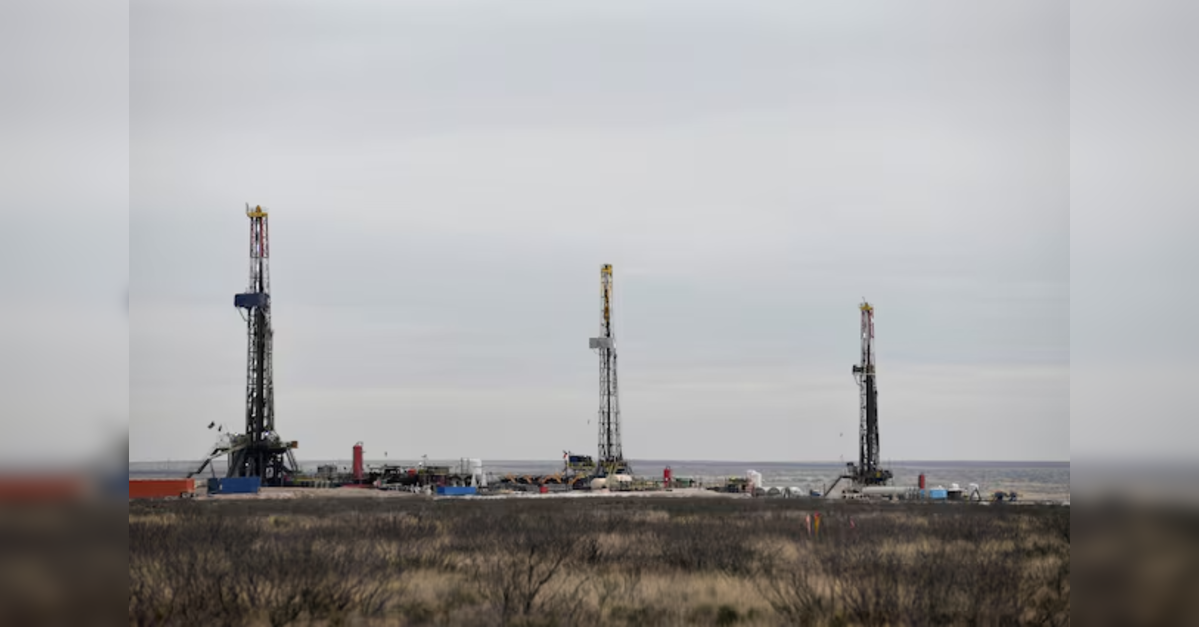
The American energy landscape is currently navigating a significant inflection point, as evidenced by a sustained contraction in drilling activity across the nation. For an unprecedented tenth consecutive week, U.S. energy firms have curtailed the number of operational oil and natural gas rigs, a trend not witnessed since July 2020. This prolonged reduction, detailed in a closely watched report released ahead of schedule due to the Independence Day holiday, underscores a profound shift in capital allocation strategies within the upstream sector.
Drilling Activity Sees Extended Downturn
The latest data reveals a compelling narrative of restraint among producers. The cumulative U.S. rig count now stands 46 units lower, representing an 8 percent decrease compared to the same period last year. Specifically, oil rigs bore the brunt of this week’s cuts, falling by seven to a total of 425. This marks the lowest level for oil-directed drilling since September 2021, signaling a deliberate slowdown in new well development. Natural gas rigs also experienced a minor reduction, with one unit ceasing operations, bringing their total to 108. This consistent downward pressure on rig counts follows a broader trend of diminished activity, with the overall oil and gas rig count declining approximately 5 percent in 2024, building on a substantial 20 percent contraction observed throughout 2023.
Strategic Reorientation: Returns Over Growth
The primary catalyst behind this multi-year slowdown in drilling is a strategic reorientation by energy companies. Over the past two years, lower U.S. oil and natural gas prices have incentivized a pivot away from aggressive production growth. Instead, firms are increasingly prioritizing shareholder returns, including dividends and share buybacks, and diligently working to reduce corporate debt. This disciplined approach reflects a maturation of the shale industry, where capital efficiency and financial health now often take precedence over unbridled output expansion. For investors, this shift implies a potentially more stable, albeit slower-growing, earnings profile from many producers.
Oil Market Paradox: Rising Output Amidst Declining Rigs
Despite the persistent decline in oil-directed rigs, the U.S. Energy Information Administration (EIA) projects a fascinating paradox for crude output. While analysts anticipate U.S. spot crude prices to decline for a third consecutive year in 2025, the EIA forecasts domestic crude production will actually increase. From a record 13.2 million barrels per day (bpd) in 2024, the EIA expects output to climb to approximately 13.4 million bpd in 2025. This projected growth, even with fewer rigs, can be attributed to several factors: enhanced drilling efficiency, the completion of previously drilled but uncompleted (DUC) wells, and the sustained output from super-major projects that often operate on longer development cycles and are less sensitive to short-term price fluctuations than independent producers.
Natural Gas Sector Poised for Rebound
The natural gas market presents a contrasting, yet equally compelling, outlook for investors. After a challenging 2024, which saw a 14 percent drop in spot gas prices and prompted several energy firms to curtail output for the first time since the COVID-19 pandemic reduced demand in 2020, the sector is anticipating a significant rebound. The EIA projects an impressive 84 percent increase in spot gas prices for 2025. This substantial price improvement is expected to galvanize producers, prompting a renewed boost in drilling activity later this year and into next. Such a turnaround would mark a crucial recovery for a segment that has faced significant headwinds.
Production Forecasts Signal Future Direction
This projected price surge is set to translate directly into higher natural gas production. The EIA forecasts U.S. gas output will rise to 105.9 billion cubic feet per day (bcfd) in 2025, an increase from 103.2 bcfd in 2024. While 2023 saw a record 103.6 bcfd, the anticipated 2025 figures suggest a strong recovery trajectory, surpassing previous peaks. For investors, this implies potentially robust earnings growth for gas-focused producers who can capitalize on improved commodity prices and increased demand. Monitoring the pace of rig additions in the gas basins will be key to confirming this bullish outlook.
Investor Takeaway: Navigating Divergent Trends
The current state of U.S. rig counts offers a nuanced picture for energy investors. While the sustained decline in overall drilling activity reflects a strategic shift towards capital discipline and shareholder returns, the divergent outlooks for oil and natural gas production highlight the importance of sector-specific analysis. Oil producers are expected to eke out production gains through efficiency, even as new drilling wanes. In contrast, natural gas producers appear on the cusp of a significant resurgence, driven by strong price forecasts that should translate into increased activity and output. Successfully navigating these distinct trends will be crucial for optimizing portfolios in the evolving U.S. energy market.