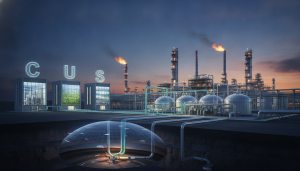
The energy investment landscape is in constant flux, a reality underscored by recent market movements. As of today, Brent crude trades at $89.81, marking a significant daily decline of 9.64%, with WTI crude following a similar trajectory at $82.08, down 9.97%. This volatility, which saw Brent drop over 12% from $112.57 just a month ago, naturally leads investors to question the future of traditional oil markets. Our proprietary reader intent data reveals a consistent focus on these immediate concerns, with investors frequently asking about end-of-year oil price predictions and OPEC+ production quotas. Yet, beneath these surface fluctuations, a profound transformation in subterranean energy solutions is gaining momentum, shifting the focus from simply storing hydrocarbons to strategically sequestering carbon dioxide. This evolving landscape presents compelling, albeit different, drivers for long-term investment in the energy sector.
Navigating Volatility: From Crude Flows to Carbon Sequestration
While the immediate market attention remains fixated on crude price movements and gasoline performance, which currently sits at $2.92, down 5.5%, sophisticated investors are increasingly looking at opportunities beyond the daily commodity churn. The pronounced daily swings and the 14-day Brent trend, indicating a significant price contraction from $112.57 on March 27th to $98.57 just yesterday, highlight the inherent risks and speculative nature of short-term oil plays. This backdrop makes the stability and growth trajectory of emerging energy solutions even more attractive. One such area gaining significant traction is subterranean CO2 storage, a technology now widely acknowledged as a proven and scalable tool for tackling climate change and decarbonizing hard-to-abate industries. The investment thesis here is not about the next OPEC+ decision, but about long-term infrastructure and environmental mandates.
The Maturation of Subsurface CO2 Storage as an Asset Class
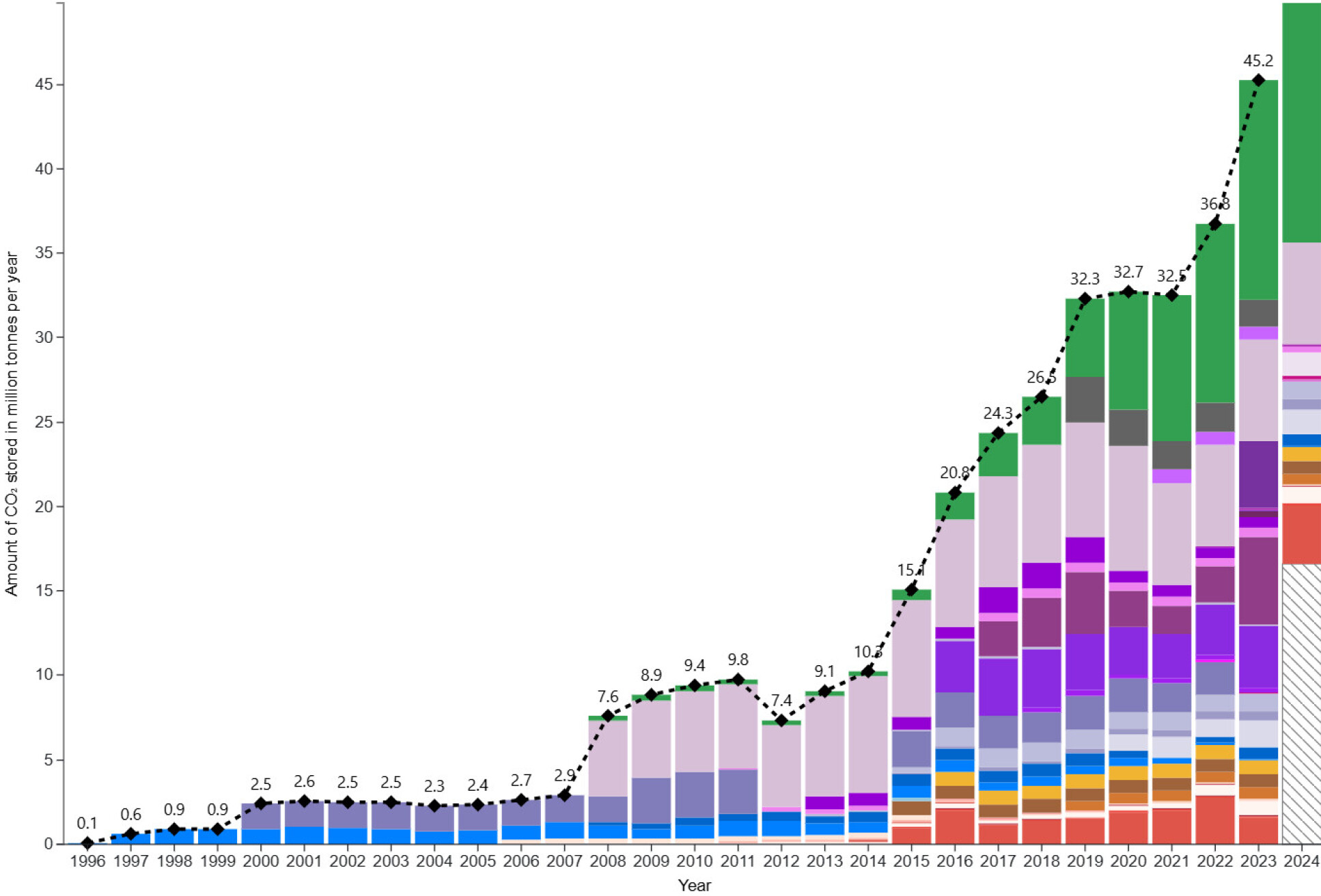
Recent comprehensive analyses provide unequivocal evidence that carbon capture and storage (CCS) is not a futuristic concept, but a robust, operational technology capable of industrial-scale impact today. The global footprint of subterranean CO2 storage has expanded dramatically since its pioneering project in Norway in 1996, now encompassing major initiatives across the United States, China, Brazil, Australia, and the Middle East. This growth trajectory is far from plateauing; projections indicate continued expansion through 2024-2025 and accelerating momentum over the coming decade. Investors should recognize this rapid development as a sign of an maturing asset class, moving from niche application to a critical component of global energy transition strategies. The ability to safely sequester CO2 deep underground offers a distinct value proposition, differentiating it from purely speculative ventures and anchoring it to essential environmental and industrial needs.
Policy Tailwinds and Economic Drivers for Subterranean Solutions
The growth in subsurface CO2 storage is not merely technological; it is deeply intertwined with supportive policy frameworks and evolving economic incentives. Governments in regions like the US and Europe are actively strengthening policies that underpin and encourage CCS deployment. These regulatory tailwinds create a more predictable and favorable investment environment, reducing risk and enhancing the long-term viability of projects. Furthermore, as the industry scales up, the economics of carbon capture, transport, and storage are set to improve. Experts anticipate that as more projects come online and operational experience accumulates, costs will inevitably decline, mirroring the efficiency gains seen in other decarbonization technologies. This ‘learning curve’ effect presents a compelling opportunity for early and strategic investors, positioning them to benefit from increasing operational efficiencies and broader market adoption as the technology becomes more competitive.
Strategic Outlook: Beyond Short-Term Swings to Long-Term Value
For investors focused on the energy sector, distinguishing between short-term market noise and long-term strategic shifts is paramount. While the coming days will bring critical events like the OPEC+ JMMC and Full Ministerial meetings on April 17th and 18th, along with weekly API and EIA crude inventory reports, these primarily influence near-term supply-demand dynamics. The underlying narrative for subterranean CO2 storage, however, operates on a different timeline. Its growth is driven by structural changes in global energy policy and a fundamental need for decarbonization, rather than immediate geopolitical tensions or weekly inventory builds. Investors should maintain a forward-looking perspective, monitoring not just these immediate market catalysts, but also policy developments, technological advancements, and project announcements in the CCS space. The shift towards large-scale, proven subterranean CO2 storage represents a significant avenue for diversification and long-term value creation in an increasingly carbon-constrained world, offering a strategic hedge against the inherent volatility of traditional fossil fuel markets.