Germany Accelerates Hydrogen Future with Landmark Ammonia Cracker Project
In a significant stride towards a robust hydrogen economy, German energy giant Uniper SE has formalized a strategic partnership with chemical engineering leader thyssenkrupp Uhde GmbH. This collaboration, bolstered by critical state funding, marks the initiation of a pioneering large-scale ammonia cracker development project situated at Uniper’s Gelsenkirchen-Scholven power plant site in North Rhine-Westphalia. This venture is poised to be a cornerstone in Germany’s ambitious energy transition, aiming to establish a secure and sustainable supply chain for industrial hydrogen.
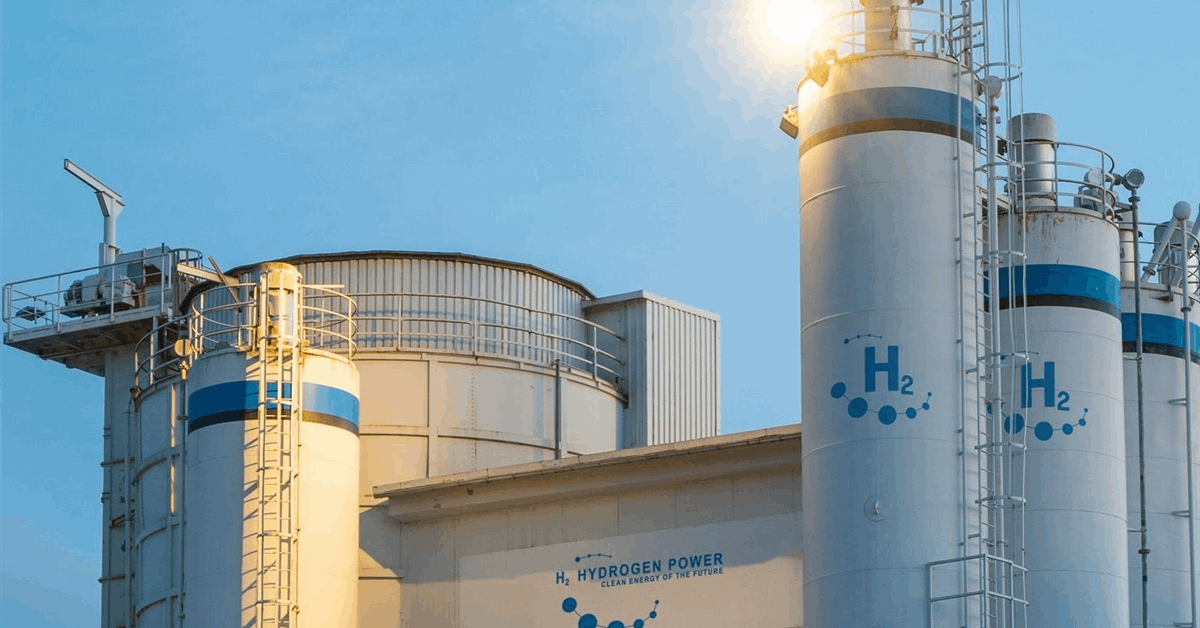
The joint undertaking will see the construction of a cutting-edge demonstration facility designed to process 28 metric tons of ammonia daily. Within this cracker, ammonia will undergo a high-temperature breakdown, separating it into its fundamental components: hydrogen and nitrogen. A subsequent, sophisticated purification process will then yield high-purity hydrogen, a crucial element for decarbonizing heavy industries and powering future energy systems. This innovative facility is not merely a pilot; it represents a foundational step towards a much larger vision, specifically serving as a blueprint for the planned hydrogen import terminal in Wilhelmshaven, northwestern Germany, where the technology is slated for industrial-scale deployment.
Strategic Imperative: Bridging the Global Hydrogen Supply Chain
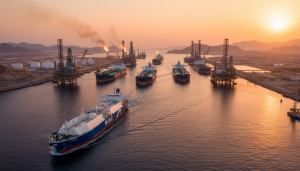
Industry experts widely regard ammonia cracking technology as the critical missing link in realizing a truly global hydrogen infrastructure. The ability to efficiently convert imported ammonia back into hydrogen on an industrial scale is paramount for countries like Germany, which anticipate a substantial reliance on hydrogen imports to meet future demand. This partnership’s core objective is precisely that: to transform global ammonia shipments into accessible hydrogen, ready for deployment across a diverse array of sectors, including energy generation, steel production, and chemical manufacturing.
Both Uniper, a multinational power and gas utility, and thyssenkrupp Uhde, a renowned chemical engineering firm, have successfully navigated the regulatory landscape, securing all necessary official approvals for the construction and subsequent operation of this pivotal demo cracker. With construction already underway, the industry keenly anticipates commissioning next year, a timeline underscoring the urgency and commitment behind this initiative.
Investment and Vision: Fuelling Industrial Decarbonization
The financial backing for this ambitious project is multi-faceted. The state of North Rhine-Westphalia is providing targeted funding to support the development of innovative components within the demonstration plant at the Scholven site. Crucially, both Uniper and thyssenkrupp Uhde are making significant financial contributions from their own capital, signaling strong internal conviction in the project’s long-term viability and strategic importance. This blend of public and private investment highlights the national priority placed on accelerating hydrogen infrastructure development.
Holger Kreetz, Uniper’s Chief Operating Officer, articulated the company’s commitment, stating, “Uniper is actively dedicated to establishing hydrogen as an essential component of the future energy mix, balancing security of supply with sustainability goals. Our objective is to bolster the resilience of the German economy.” Kreetz further emphasized the strategic necessity of international collaboration: “To adequately meet Germany’s future hydrogen requirements, we are inherently dependent on imports. Consequently, this partnership between Uniper and thyssenkrupp Uhde represents a crucial milestone for the hydrogen ramp-up and the broader decarbonization of industry. With the ammonia cracker in Scholven, we are laying the essential groundwork for international hydrogen trade and ensuring its availability across all industrial sectors.”
A Synergistic Partnership: Expertise Meets Innovation
Nadja Håkansson, CEO of thyssenkrupp Uhde, underscored the potent synergy at the heart of this collaboration. “Uniper’s leading position within energy markets and their extensive experience as an asset operator, combined with our proven track record as a global leader in ammonia technology and large-scale plant delivery, forge a robust foundation for success,” Håkansson remarked. She further elaborated on the integrated approach, stating, “This joint capability guarantees that the cracker plant is optimized not only for peak performance and efficiency but also for paramount safety, long-term operational reliability, and minimized total lifecycle costs. This comprehensive strategy instills a high level of confidence across the industry that the plant will consistently deliver top-tier operational performance throughout its lifespan.”
This project’s successful execution will provide invaluable operational data and insights, informing the design and scalability of future industrial-scale ammonia cracking facilities. For investors, this represents a tangible entry point into the burgeoning hydrogen economy, backed by established industry players and governmental support. The progression from demonstration to large-scale application at Wilhelmshaven positions both companies at the forefront of a transformative shift in global energy logistics and industrial processes. The Gelsenkirchen-Scholven facility is more than just a plant; it’s a critical testbed for technologies that will underpin Germany’s, and potentially Europe’s, energy independence and climate goals for decades to come, offering significant long-term growth potential for stakeholders.