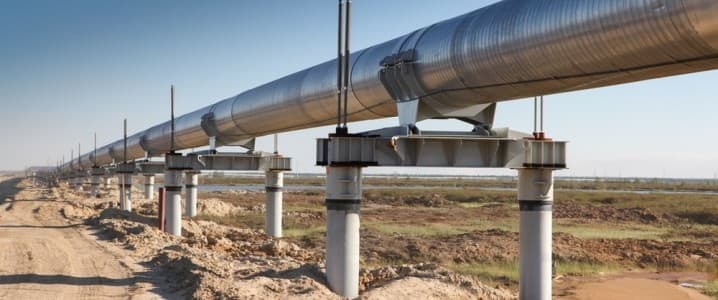
Ukrainian forces launched targeted attacks on critical nodes of Russia’s Druzhba oil pipeline network on Sunday night, sparking a major fire at a key Transneft oil hub.
The strikes hit a major oil pumping and dispatch hub in Tatarstan, a central region of Russia, triggering widespread fires at the facility. This attack is part of an intensified Ukrainian campaign to weaken Russia’s energy-export economy and fuel logistics. Similar strikes hit the Unecha station in Bryansk and the Nikolskoye station in Tambov, both critical to the Druzhba network.
The operation, which utilized long-range drones, has disrupted Russian crude oil supplies to Hungary and Slovakia, both of which rely on the pipeline’s southern branch. The two countries previously escalated a major diplomatic and energy dispute with Ukraine, accusing Kyiv of deliberately disrupting Russian oil flows through the Druzhba pipeline. Hungarian and Slovakian officials say there are no technical reasons to stop oil flows, labeling the stoppage “political blackmail” and suggesting Ukraine is intentionally blocking the supply as a political maneuver following a stand-off regarding Hungary’s stance on Ukraine’s EU membership. The two have been vocal in their opposition to Ukraine joining the European Union, with Hungarian Prime Minister Viktor Orbán explicitly pledging to block the process, citing risks of bringing war into the bloc.
Ukraine has rejected these claims as “unfounded and irresponsible,” stating that the disruption was caused by Russian drone and missile strikes damaging critical infrastructure in western Ukraine. Kyiv maintains that repairs are ongoing but are hindered by continued Russian aggression. Unfortunately, this has not helped ease tensions between the three countries, with Hungary vowing to block a €90 billion EU loan intended to support Ukraine’s military and economic needs.
Hungary has also vowed to veto the 20th EU sanctions package against Russia, which was intended to coincide with the fourth anniversary of the full-scale invasion. Hungary and Slovakia are the only EU members still heavily reliant on Russian crude via the southern Druzhba route, having secured temporary exemptions from broader EU bans.
The European Commission has called for extraordinary meetings to address the standoff, while Ukraine has suggested that its neighbors should direct their complaints to the Kremlin rather than Kyiv.
By Alex Kimani for Oilprice.com
More Top Reads From Oilprice.com