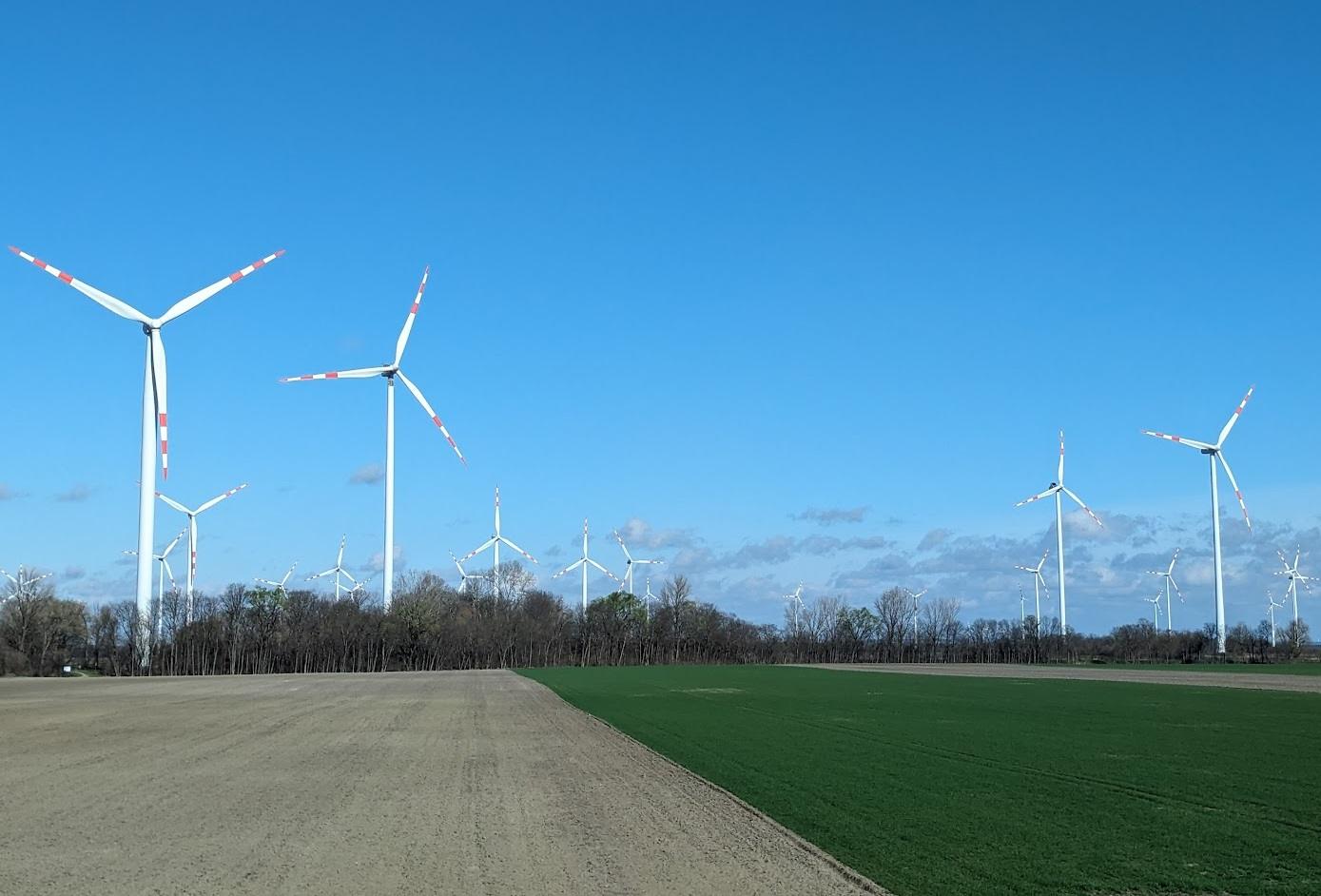
The energy investment landscape is undergoing a profound transformation, driven by both traditional market dynamics and an accelerating focus on environmental, social, and governance (ESG) factors. A recent pivotal development for investors is the United Kingdom’s decision to regulate ESG ratings providers. This move signals a global push for greater accountability and transparency in a market that heavily influences capital allocation, particularly within the oil and gas sector. As investors navigate volatile commodity markets, the integrity of ESG data becomes paramount, shaping decisions from short-term trading to long-term portfolio construction. OilMarketCap.com’s proprietary data pipelines reveal a complex interplay of market sentiment, upcoming supply-side decisions, and evolving investor priorities that demand close scrutiny.
The UK’s Push for ESG Rating Integrity: What it Means for Energy Investors
The UK’s initiative to regulate ESG ratings providers marks a significant step towards standardizing and enhancing the reliability of ESG data. For too long, investors have grappled with a lack of consistency and transparency among different ESG rating methodologies, making it challenging to compare companies accurately or assess genuine sustainability performance. This regulatory oversight, mirroring broader efforts like the International Sustainability Standards Board (ISSB) addressing global fragmentation in reporting, aims to instill greater confidence in ESG scores. For oil and gas companies, which frequently face intense scrutiny over their environmental impact and transition strategies, clearer and more robust ESG ratings could be a double-edged sword. While it may expose superficial “greenwashing,” it also offers an opportunity for companies with credible decarbonization plans and strong governance to differentiate themselves and attract capital from increasingly ESG-conscious funds. Enhanced regulation means that the ESG narratives presented by energy firms will face more rigorous, standardized evaluation, directly impacting their cost of capital and investor appeal.
Navigating Volatility: Market Snapshot and ESG Pressures
As of today, Brent crude trades at $90.38 per barrel, reflecting a significant 9.07% decline within the day, with a range spanning $86.08 to $98.97. Similarly, WTI crude has fallen to $82.59, down 9.41%, trading between $78.97 and $90.34. This sharp daily downturn follows a broader trend; our data indicates Brent has shed $22.40, nearly 20%, since March 30th. Such pronounced volatility underscores the inherent risks and opportunities in the energy market. While these price fluctuations are driven by immediate supply-demand dynamics and macroeconomic factors, the underlying pressure from ESG considerations continues to reshape long-term investment strategies. The paradox for investors lies in balancing the immediate need for energy supply, often from traditional sources, with the imperative to transition towards a lower-carbon future. This tension is further highlighted by instances like Exxon’s lawsuit against California’s new climate reporting laws, illustrating the pushback from some industry players against an increasingly stringent regulatory environment, even as renewable energy deals (e.g., Apple, Meta, Google) proliferate in other sectors.
Upcoming Events: Shaping Supply and ESG Narratives
The coming weeks are packed with critical events that will undoubtedly influence crude oil prices and, by extension, the strategic maneuvers of oil and gas companies within the ESG framework. Investors should mark their calendars for the OPEC+ Joint Ministerial Monitoring Committee (JMMC) meeting on April 19th, swiftly followed by the full OPEC+ Ministerial Meeting on April 20th. These gatherings are pivotal, as any adjustments to current production quotas will directly impact global supply and price stability. Beyond these key decisions, weekly data releases such as the API Crude Inventory on April 21st and 28th, and the EIA Weekly Petroleum Status Reports on April 22nd and 29th, will offer crucial insights into short-term supply and demand imbalances in the United States. Furthermore, the Baker Hughes Rig Count on April 24th and May 1st will provide an early indicator of future drilling activity and production capacity. These operational metrics, while seemingly distinct from ESG, are deeply intertwined. A robust supply-side response could signal continued reliance on fossil fuels, potentially drawing further ESG scrutiny, especially as we observe large institutional investors like Norway’s $2 trillion wealth fund expanding climate-focused engagements with their portfolio companies. Conversely, any supply constraints or production cuts could accelerate the search for alternative energy sources, amplifying the investment case for green technologies and companies demonstrating strong ESG credentials.
Investor Focus: Price Trajectories, Quotas, and the Energy Transition
Our proprietary reader intent data from OilMarketCap.com reveals that investors are keenly focused on two immediate questions: “What do you predict the price of oil per barrel will be by end of 2026?” and “What are OPEC+ current production quotas?” These inquiries underscore the pervasive uncertainty regarding future market stability and supply management. While predicting a precise price point for 2026 is speculative, several factors will dictate the trajectory. The outcomes of the upcoming OPEC+ meetings will be crucial in setting the supply landscape. Should the cartel maintain or even tighten current production quotas, which our readers are clearly tracking, it could support higher prices, barring significant demand destruction. Conversely, an increase in quotas or a breakdown in compliance could exert downward pressure. Beyond immediate supply dynamics, the long-term price outlook is increasingly influenced by the pace of the global energy transition. The return of the Net Zero Asset Managers Coalition, albeit without its 2050 climate commitment, reflects a nuanced but persistent pressure on capital markets to consider decarbonization. Large-scale investments in nuclear power, such as the $80 billion Brookfield-Cameco partnership with the U.S. government, alongside significant renewable energy deals by tech giants like Apple, Meta, and Google’s move to restart a dormant nuclear plant for AI infrastructure, collectively signal a diversification of energy sources that will inevitably impact future oil demand and price expectations. Investors must therefore integrate both the short-term supply signals from OPEC+ and inventory reports with the long-term structural shifts driven by ESG and technological innovation.


