UK Intensifies Pressure with Massive Tanker Sanctions: What Investors Need to Know
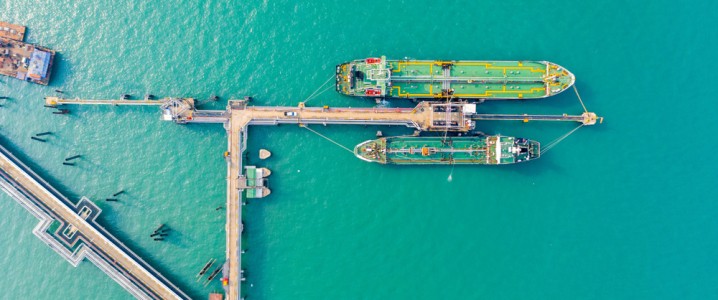
In a significant escalation of economic pressure against Russia, the United Kingdom government has announced sweeping new sanctions targeting approximately 100 vessels implicated in the transportation of Russian crude oil. This move marks a substantial 75% increase in the number of so-called “shadow fleet” tankers under UK restrictions, positioning Britain as the nation with the most extensive sanctions regime against vessels carrying Russian hydrocarbons. For investors monitoring global energy markets, this development underscores the persistent geopolitical risks influencing oil supply dynamics and maritime logistics.
The latest directive from Downing Street is a clear signal of the UK’s resolve to curb Moscow’s oil revenues, which continue to fund its ongoing conflict. While the UK had previously identified 133 vessels for potential sanctions, the current announcement focuses on an additional 100, building upon the 41 vessels already designated. A key challenge highlighted by past efforts is the efficacy of such measures; out of the initial 41 sanctioned vessels, a striking 39 reportedly continued their operations in shipping Russian crude. This statistic reveals the complex cat-and-mouse game played by Russia and its allies to circumvent Western restrictions, often relying on alternative insurance, flagging, and ownership structures.
The Evolution of Sanctions: From Price Caps to Direct Seizures
The international community, led by the G7 nations, initially sought to restrict Russian oil profits through a price cap mechanism. This policy was designed to allow Russian oil to flow, preventing a global supply shock, while limiting Moscow’s earnings by linking Western tanker insurance coverage to adherence to the cap. However, Russia adeptly navigated these constraints by establishing its own robust insurance infrastructure and utilizing tankers insured by entities in non-G7 countries, notably India and the UAE. This adaptability demonstrated the limits of indirect financial leverage and spurred a shift towards more direct enforcement actions.
Directly sanctioning individual vessels has emerged as a more aggressive and potentially more effective tactic. Beyond mere financial restrictions, some nations have gone a step further, opting for physical seizure. A notable example occurred two months ago when German authorities intercepted and seized the “Eventin,” an oil tanker identified as part of the Russian shadow fleet. The vessel was discovered adrift in the Baltic Sea in January, operating under a Panamanian flag. This incident represents a tangible loss for Russia, as the tanker was carrying crude oil valued at approximately $43 million, which has now been confiscated and declared property of the German state.
The seizure of the “Eventin” serves as a stark warning to other operators within the shadow fleet, signaling an increased risk of asset confiscation for vessels attempting to circumvent sanctions. This direct action adds a new layer of risk premium to Russian oil transportation, potentially impacting insurance costs, shipping routes, and the overall efficiency of Russia’s export network. For investors in the tanker sector, this could lead to increased scrutiny of charter agreements and vessel ownership structures, particularly those involved in opaque shipping operations.
Broader European Enforcement and Market Implications
While the UK’s latest actions are substantial, they are part of a broader European effort to tighten the noose on Russia’s oil trade. The European Union, as a collective entity, currently leads in the total number of sanctioned tankers, having designated 153 vessels. This coordinated, albeit sometimes varied, approach from European powers highlights a sustained commitment to disrupting Russia’s energy revenues. The collective impact of these sanctions could gradually erode the profitability and operational flexibility of the shadow fleet, potentially leading to higher shipping costs for Russian crude and longer transit times as vessels seek less scrutinized routes.
From an investor perspective, the escalating sanctions regime introduces several key considerations. Firstly, the increased risk to Russian oil exports could intermittently tighten global supply, exerting upward pressure on crude oil prices. This scenario might favor investors holding long positions in established oil producers and energy companies less exposed to Russian trade. Secondly, the disruption to traditional shipping routes and the demand for compliant vessels could benefit legitimate tanker companies operating outside the shadow fleet, potentially increasing charter rates for compliant tonnage. However, the broader macroeconomic implications of prolonged geopolitical tension and potential supply shocks also introduce volatility.
The ongoing struggle between Western sanctions and Russia’s adaptive strategies is a critical determinant of future oil market stability. As the UK and its allies enhance their enforcement mechanisms, market participants must remain vigilant. The effectiveness of these new sanctions will hinge on the ability to track, identify, and penalize vessels and their owners, ultimately aiming to raise the cost and complexity of exporting Russian oil to unsustainable levels. This dynamic environment necessitates careful analysis for investors seeking to navigate the intricate landscape of global energy security and supply chain resilience.