In a global energy landscape continually recalibrating its future, astute investors are increasingly looking beyond traditional upstream and downstream plays to identify opportunities within the broader resource management and circular economy sectors. A compelling case is currently emerging from the United Kingdom, where a strategic shift towards domestic plastic waste processing is poised to unlock significant economic value, create thousands of jobs, and address critical environmental responsibilities. This isn’t merely an environmental initiative; it represents a substantial, policy-backed investment frontier that warrants serious consideration, particularly given the inherent volatility in the broader crude markets.
Unlocking £900 Million in Annual Economic Value
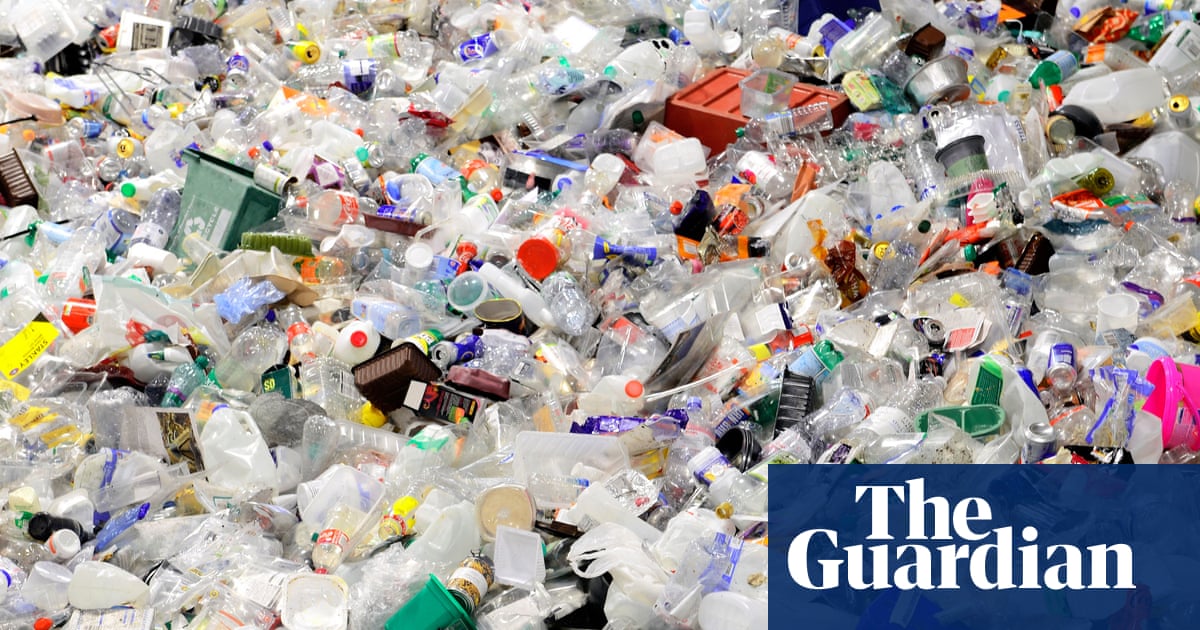
The UK’s current approach to plastic waste, heavily reliant on exports, has long been a point of contention for both environmental advocates and forward-thinking economists. In 2024 alone, Britain’s plastic exports surged by 5%, reaching nearly 600,000 tonnes of waste. This practice not only offloads environmental burdens onto recipient nations, many of which lack adequate recycling infrastructure – evidenced by over 24,000 tonnes sent to Indonesia, a country grappling with severe plastic pollution – but also squanders a valuable domestic resource. Proprietary analysis indicates that ending this reliance on unprocessed plastic waste exports by 2030 could be transformative, generating almost £900 million in economic value annually and contributing at least £100 million in new tax revenues each year. Such a shift would necessitate the construction of up to 15 new recycling facilities, attracting more than £800 million of private investment, and creating an estimated 5,400 new jobs. This represents a tangible, measurable pathway to value creation, contrasting sharply with the 21 plastic recycling and processing factories that have ceased operations in the UK over the past two years, largely due to the scale of exports and the competitive pricing of virgin plastic.
Policy Shifts Paving the Way for Private Capital
The trajectory towards a robust domestic plastic processing industry is not merely aspirational; it is increasingly supported by a growing consensus on policy reform. The current framework, which inadvertently incentivizes the export of plastic waste over its domestic recycling, is a clear target for change. Activists and industry leaders alike are advocating for the closure of this loophole. A pivotal proposal is the increase in the plastic packaging tax threshold from 30% to 50% recycled plastic content for producers, a move designed to directly stimulate demand for recycled materials within the UK. This policy adjustment, coupled with a phased-out ban on unprocessed plastic packaging exports, would create the “right framework” essential for private investment to flourish, as articulated by industry experts. Investors frequently query the stability and predictability of long-term returns, with our reader intent data revealing questions like “what do you predict the price of oil per barrel will be by end of 2026?” This highlights a desire for sectors with clearer growth drivers beyond geopolitical shifts. The domestic plastic recycling sector, bolstered by robust policy, offers exactly this type of clarity, mitigating exposure to the global commodity price swings that often define traditional energy investments.
Navigating Global Volatility with Domestic Resilience
The investment case for UK plastic processing gains further strength when viewed against the backdrop of the broader energy markets. As of today, Brent Crude trades at $94.55, down 0.97% within a day range of $93.87-$95.69, while WTI Crude stands at $86.33, reflecting a 1.25% decrease. These daily fluctuations are indicative of the inherent volatility in the global oil market, a sentiment reinforced by Brent’s significant 14-day trend, plummeting from $118.35 on March 31st to $94.86 on April 20th – a substantial 19.8% decline. Gasoline prices, currently at $3.02, also reflect this dynamic environment. For investors seeking diversification and resilience, the domestic plastic processing sector offers a compelling alternative. Its revenues are primarily tied to domestic policy, local demand for recycled content, and a drive towards resource efficiency, rather than the geopolitical machinations that can send crude prices soaring or plummeting.
Looking ahead, upcoming energy events will continue to shape the traditional energy landscape, indirectly influencing the competitive environment for virgin versus recycled plastics. The OPEC+ JMMC Meeting on April 21st, for instance, could signal shifts in global crude supply, impacting the price of virgin plastic feedstock. Similarly, the EIA Weekly Petroleum Status Reports on April 22nd and 29th, alongside API Weekly Crude Inventory updates on April 28th and May 5th, will provide critical insights into U.S. demand and supply dynamics for petroleum products. The EIA Short-Term Energy Outlook on May 2nd will offer a broader macro perspective. While these events dictate the immediate future of fossil fuels, a strong domestic recycling industry, buttressed by policy, can insulate itself from the most extreme swings, offering a more stable and predictable growth trajectory. This represents a strategic diversification for energy-focused portfolios, leveraging the secular trend towards sustainability against the cyclical volatility of traditional commodities.
Investment Vectors in a Growing Circular Economy
The opportunity within UK plastic processing extends across multiple investment vectors. Companies already demonstrating success in this space, such as Biffa Polymers with its decade-long achievement of recycling 10 billion HDPE milk bottles, serve as compelling proof points for what is achievable when the “right conditions are in place.” The expansion of this success across all plastic packaging types presents a vast untapped market. Investment opportunities span several areas: direct equity in companies developing and operating advanced recycling facilities that convert diverse plastic waste streams into high-quality secondary raw materials; ventures focused on improving collection and sorting infrastructure, which is crucial for increasing feedstock quality; and manufacturers committed to incorporating higher percentages of recycled content into their products, thereby driving demand. Technology providers offering innovative solutions for chemical recycling, plastic-to-fuel, or advanced mechanical recycling also present attractive prospects. For investors asking about the broader direction of energy markets, such as “is WTI going up or down,” this sector offers a distinct value proposition: a growth story driven by domestic imperative, environmental stewardship, and robust economic fundamentals, rather than simply global supply-demand imbalances in fossil fuels.
In conclusion, the UK’s journey towards ending its reliance on plastic waste exports by 2030 is not merely an environmental commitment; it is an economic imperative creating a significant, multi-faceted investment opportunity. With the potential to generate nearly £900 million in annual value, attract over £800 million in private investment, and create thousands of jobs, this sector offers a compelling proposition. Supported by imminent policy changes and offering a resilient growth profile distinct from the volatility of traditional crude markets, domestic plastic processing stands out as a strategic and sustainable investment vector within the broader energy and resource transition narrative. Investors looking for long-term value creation and a tangible impact on the circular economy should position themselves to capitalize on this emerging opportunity.


