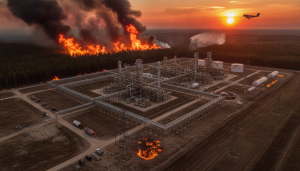
The UK is currently grappling with a severe heatwave, a critical event that transcends human health concerns and sends direct reverberations through the nation’s energy infrastructure. While the immediate focus rightly remains on public safety, with rapid analyses predicting approximately 570 premature deaths across England and Wales, including 129 in London, the implications for the oil and gas sector are profound and warrant immediate attention from investors. This analysis moves beyond the headlines to dissect how extreme weather events, exacerbated by climate trends, are straining grids, reshaping natural gas demand, and injecting volatility into a market already navigating complex supply-demand dynamics. For energy investors, understanding these intertwined pressures is paramount to identifying both risks and opportunities in the evolving landscape.
The Unseen Energy Strain of Extreme Heat on the Grid
As temperatures soar, reaching highs of 32C in regions like Southeast England, the demand for cooling systems escalates dramatically. This surge places immense pressure on the national grid, forcing an immediate ramp-up in electricity generation to meet peak load. Historically, thermal power plants, particularly those fueled by natural gas, have served as the primary flexible resource to balance intermittent renewables and cover sudden demand spikes. The current heatwave, which scientists indicate has been made 100 times more probable by climate shifts, underscores a growing vulnerability: grids built for temperate climates are increasingly challenged by extreme weather patterns. With government preparations to protect citizens from escalating climate impacts criticized as “inadequate, piecemeal, and disjointed” by official advisors, the energy sector is left to absorb the immediate operational shock. This situation highlights a critical investment theme: the need for enhanced grid resilience, diversified generation capacity, and robust demand-side management solutions.
Natural Gas Demand: A Short-Term Boost with Global Repercussions
The immediate consequence of the UK heatwave for the energy market is a significant spike in natural gas demand for power generation. As homes and businesses crank up air conditioning units, gas-fired power plants are activated to ensure grid stability. This localized demand shock in a major European economy has the potential to ripple through international gas markets. Investors are keenly watching how such regional events impact broader price trends, with many actively asking about what’s driving Asian LNG spot prices this week. An increase in European gas consumption, even if temporary, can tighten global LNG supply, affecting prices in other key importing regions and potentially drawing cargoes away from alternative destinations. For companies with exposure to European gas supply or LNG trading, these demand spikes represent a short-term boost, but also a reminder of the volatility inherent in a globalized gas market increasingly susceptible to climate-driven demand swings.
Navigating Market Volatility: Brent Crude and Investor Sentiment
While the direct link between a heatwave and oil demand might seem less immediate than with natural gas, sustained periods of high energy consumption and potential grid instability can exert indirect pressure on the broader energy complex. Energy markets are interconnected, and a perception of tightening supply or increased demand in one segment can influence others. As of today, Brent crude trades around $93.22 per barrel, marking an 8.8% decline from its $102.22 level recorded just three weeks prior. This downtrend reflects a period of broader market uncertainty, where localized demand surges like the UK heatwave must be weighed against global economic outlooks and supply-side dynamics. Investors are actively seeking a base-case Brent price forecast for the next quarter, and events like these add another layer of complexity to that calculus. While the heatwave alone is unlikely to reverse a broader crude price trend, it contributes to the narrative of demand volatility and the growing influence of climate-related events on energy fundamentals.
Forward Outlook: Upcoming Events and Long-Term Grid Resilience
Looking ahead, the energy market faces several pivotal moments that will shape price discovery and investment strategies in the wake of such extreme weather events. Key upcoming calendar events demand close attention from oil and gas investors. The **OPEC+ Joint Ministerial Monitoring Committee (JMMC) meeting on April 18th**, followed by the **Full Ministerial Meeting on April 20th**, will be crucial for understanding the cartel’s stance on production levels amidst global demand fluctuations. Any signals from these meetings, whether confirming current output or suggesting adjustments, will directly impact crude oil prices. Furthermore, the **EIA Weekly Petroleum Status Reports on April 22nd and 29th** will provide critical insights into U.S. crude inventories, refining activity, and product demand, offering a more granular view of market balances. Investors will also monitor the **Baker Hughes Rig Count on April 17th and 24th** for indications of future drilling activity and potential supply growth. Beyond these immediate catalysts, the persistent threat of extreme weather, with scientists noting temperatures boosted by 2C-4C by human-caused heating, underscores a long-term investment theme: the urgent need for grid modernization and increased resilience. The fact that over 10,000 people died in UK summer heatwaves between 2020 and 2024 emphasizes the human cost, but for investors, it highlights the accelerating imperative for investments in renewable energy, energy storage solutions, and smart grid technologies to mitigate future strains and capitalize on the transition to a more robust, climate-resilient energy system.