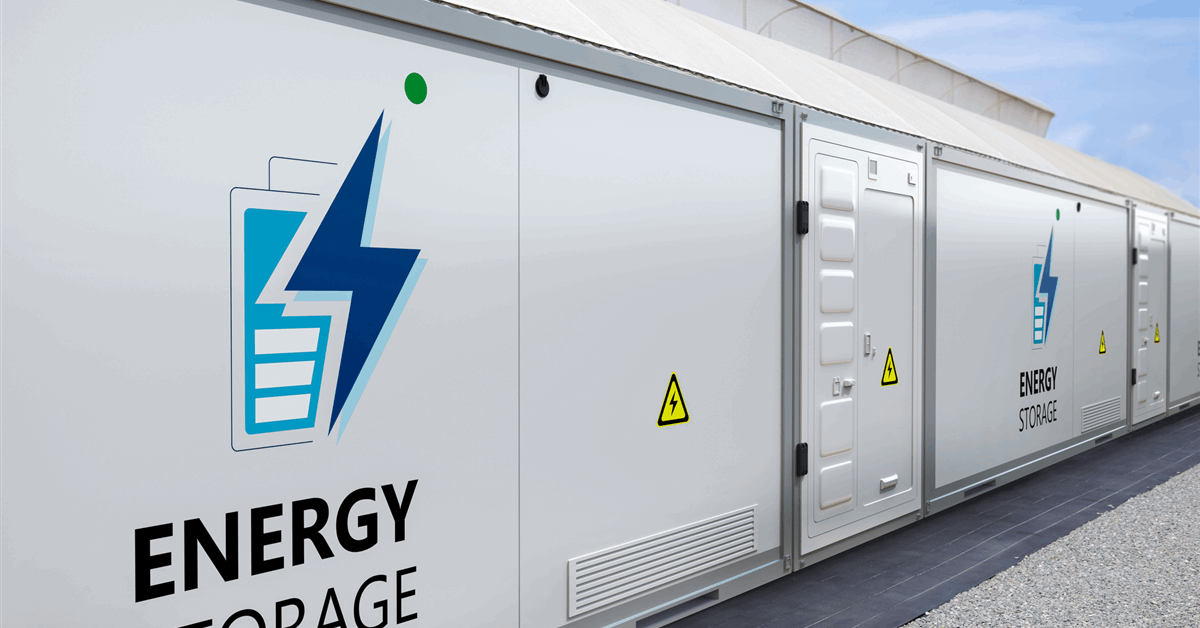
The recent connection of the United Kingdom’s largest battery energy storage system (BESS) to its transmission network at Tilbury marks a pivotal moment in the nation’s ambitious clean energy transition. This 300-megawatt facility, capable of delivering 600 megawatt-hours, not only significantly enhances grid stability but also offers a compelling case study for investors assessing the evolving energy landscape. As traditional commodity markets experience heightened volatility, strategic infrastructure plays like the Thurrock Storage project represent a critical component in de-risking future energy supply and demand dynamics, signaling robust investment opportunities in grid modernization and renewable integration.
Thurrock Storage: A New Benchmark for Grid Resilience
Developed by Statera Energy and connected by National Grid plc, the Thurrock Storage project at the Tilbury substation in Essex is a formidable addition to the UK’s energy infrastructure. With its capacity to power approximately 680,000 homes, this BESS is engineered to provide essential flexibility, absorbing surplus clean electricity from intermittent sources like wind and solar, and dispatching it instantaneously when grid demand peaks. This capability is paramount for maintaining system stability as the UK integrates an increasing share of renewable generation. The symbolic significance of this development cannot be overstated; the Tilbury substation, once home to coal-fired power stations, now anchors a high-capacity battery system, illustrating a profound transition from fossil fuels to sustainable energy at the same site. National Grid’s proactive upgrade of the substation, including new protection and control systems, underscores the serious commitment to ensuring the network can safely manage such substantial new loads, paving the way for further large-scale energy storage deployments.
Navigating Market Headwinds: Stability in a Volatile Energy Landscape
The strategic importance of projects like Thurrock Storage becomes even clearer when viewed against the backdrop of current global energy market dynamics. As of today, the crude oil market is experiencing significant price movements, with Brent crude trading at $90.38 per barrel, representing a notable 9.07% decline within the day, fluctuating between $86.08 and $98.97. This daily volatility echoes a broader trend; Brent has shed $20.91, or 18.5%, over the past fourteen days, dropping from $112.78 on March 30th to $91.87 just yesterday. Similarly, WTI crude has seen a sharp 9.41% drop to $82.59, while gasoline prices have fallen 5.18% to $2.93. This inherent instability in traditional commodity markets highlights the increasing value proposition of reliable, dispatchable power solutions like large-scale battery storage. For investors, the ability of BESS to stabilize electricity prices and secure supply offers a compelling counterpoint to the unpredictable nature of global oil and gas markets, providing a pathway to more predictable returns within the broader energy sector.
Strategic Growth and Upcoming Catalysts for Energy Transition Investors
Looking ahead, the commitment to expanding flexible energy capacity at Tilbury signals continued investment opportunities. National Grid is actively progressing work to connect the 450-megawatt Thurrock Flexible Generation facility, another Statera project, at the same substation. This ongoing expansion points to a sustained pipeline of projects designed to bolster the region’s energy needs. For investors tracking the pulse of the energy market, a series of upcoming events will provide critical insights into the broader supply-demand equilibrium. The next 14 days include key OPEC+ meetings (JMMC on April 18th, Full Ministerial on April 19th) which will likely set production quotas and influence crude price trajectories. Additionally, the API Weekly Crude Inventory (April 21st, 28th) and EIA Weekly Petroleum Status Reports (April 22nd, 29th) will offer crucial data on petroleum stockpiles and demand trends, while the Baker Hughes Rig Count (April 24th, May 1st) will indicate future drilling activity. While these events primarily impact traditional fossil fuels, the growth in grid-scale storage directly influences the long-term energy mix by enhancing the viability and dispatchability of renewable energy, thereby indirectly impacting future demand for conventional power generation sources. Investors should monitor these developments for signals that inform capital allocation across both conventional and clean energy infrastructure.
Addressing Investor Focus: The Long-Term Value of Grid Modernization
Our proprietary reader intent data reveals a strong and immediate investor focus on the trajectory of crude oil prices, with common inquiries ranging from predictions for oil per barrel by the end of 2026 to discussions around OPEC+ production quotas and the performance of specific players like Repsol. While these questions rightly dominate conversations around short-term commodity plays, the strategic importance of projects like the Thurrock BESS cannot be overlooked in a holistic investment strategy. The ability of such systems to integrate more intermittent renewable energy sources fundamentally alters the demand profile for fossil fuels in electricity generation over the long term. By providing essential flexibility and stability, BESS reduces the reliance on traditional peaker plants, many of which are gas-fired, thereby creating a structural shift in the energy market. For investors asking about long-term oil price predictions, the accelerating build-out of grid infrastructure capable of handling high renewable penetration is a critical factor influencing future demand scenarios. Investing in companies at the forefront of BESS development, smart grid technologies, and flexible generation offers a compelling avenue to diversify portfolios, mitigate commodity price risk, and capitalize on the inevitable global shift towards a more resilient, cleaner energy system.


