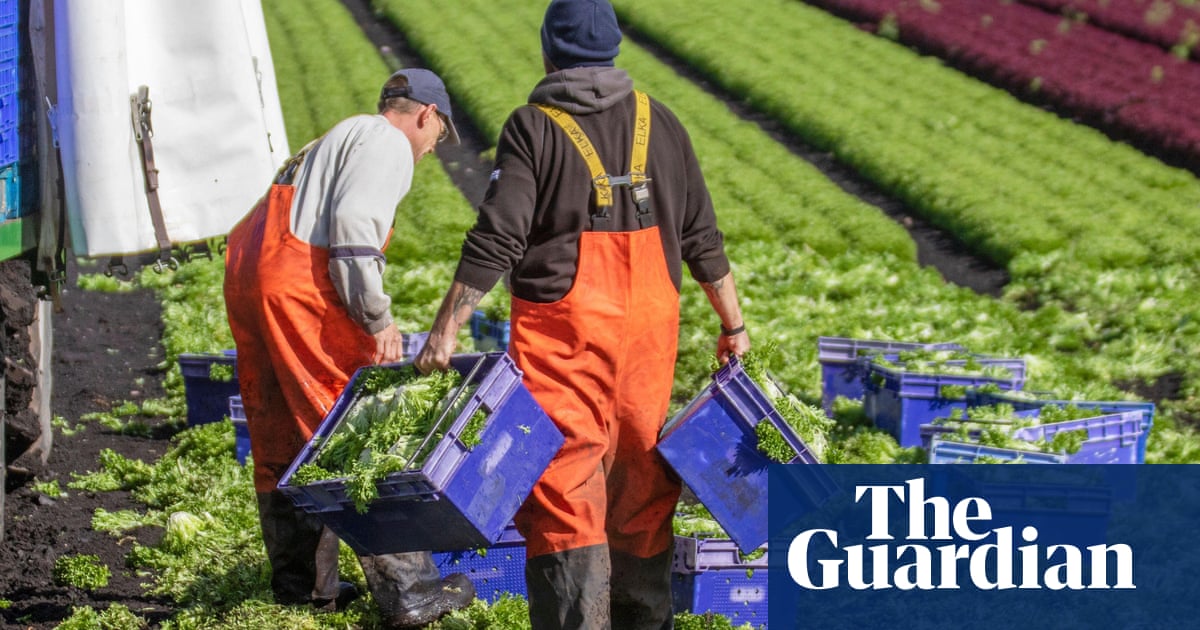
The agricultural landscape of the United Kingdom is signaling profound economic and policy shifts, a development that astute energy investors must monitor closely. Recent revelations from a comprehensive study indicate that a vast majority of UK farmers are grappling with the harsh realities of climate change, raising immediate concerns about domestic food security, inflationary pressures, and the government’s strategic response. These challenges, while seemingly confined to the agricultural sector, carry significant implications for the broader economy, commodity markets, and the future trajectory of energy policy.
Climate Crisis Decimates Agricultural Productivity and Income
A recent in-depth analysis reveals an alarming consensus among UK farmers: over 80% express grave worries that the escalating climate crisis threatens their fundamental livelihood. This sentiment is not merely anecdotal; it is underscored by a stark reduction in operational efficiency and financial stability across the sector. The study, surveying 300 farmers, paints a grim picture of widespread impact.
Key findings from the research highlight the systemic nature of the problem:
- An overwhelming 87% of farmers have reported a direct reduction in productivity due to recent extreme weather events.
- Crop yields have fallen for 84% of respondents, indicating a significant hit to primary production.
- More than three-quarters of farmers have experienced a tangible decline in their income, directly impacting their financial viability and investment capacity.
The frequency and intensity of these weather events are equally striking. Over the past five years, 78% of farmers have contended with severe drought conditions, while more than half have endured the crippling effects of heatwaves. In a telling statistic, a mere 2% of UK farmers have managed to avoid any form of extreme weather impact during this period. This data unequivocally demonstrates that adverse climatic conditions are no longer isolated incidents but a pervasive and ongoing threat to British agriculture.
Inflationary Headwinds and Commodity Market Volatility
The direct consequences of these agricultural setbacks are already reverberating through the supply chain, manifesting as heightened food price inflation. Major UK retailers have explicitly linked elevated consumer prices to reduced harvest yields caused by unfavorable weather. The British Retail Consortium, representing over 200 significant retail entities, has drawn a clear line between the climate crisis and the rising cost of groceries, impacting household budgets and overall economic stability. For energy investors, this dynamic is critical: food inflation often acts as a precursor to broader inflationary pressures, influencing central bank monetary policy and, by extension, the cost of capital and investment in the energy sector.
The financial toll on farmers is substantial. A separate recent study indicated that income from UK arable crops plummeted by more than £1 billion last year alone, marking one of the worst periods in decades. Looking ahead, anxieties are mounting for the 2025 harvest, following what has been recorded as the warmest – and among the driest – springs in history. This persistent vulnerability in agricultural output injects considerable uncertainty into food commodity markets, potentially increasing reliance on imports and exacerbating global supply chain pressures, which can indirectly influence energy demand and logistics costs.
As one Kent-based arable farmer articulated, the situation has become increasingly untenable: “We’ve gone from extreme drought to biblical floods and back to drought in the space of just a few years. It’s devastating and many of us in farming now fear for a sustainable future.” This rapid swing between extremes underscores the urgent need for adaptive strategies and resilient infrastructure, areas where investment and policy interventions will undoubtedly intersect with energy sector considerations.
Government Policy Under Scrutiny: Implications for the Green Transition
The mounting crisis in agriculture is placing considerable pressure on the government to provide more robust and effective support for farmers to adapt to climate change. The survey revealed that nearly 60% of farmers are calling for greater long-term certainty in the design and implementation of green farming schemes across the UK. This demand for stability and strategic assistance reflects a broader need for coherent policy frameworks that address climate resilience across multiple critical sectors.
The call for governmental intervention is clear: “What we need most now from government is a bit of stability and some better support to help us become resilient to these impacts,” remarked the Kent farmer. “In an era when the climate is giving us a kicking, we need government to have our back, not add to the uncertainty.” This plea highlights the tension between immediate economic pressures and the longer-term imperative of climate adaptation. For energy investors, this signals potential shifts in public spending, regulatory landscapes, and the prioritization of various decarbonization and resilience initiatives.
Investment in “green farming schemes” could involve subsidies for renewable energy integration on farms (e.g., solar, bioenergy), improved water management infrastructure, or sustainable land use practices. These initiatives, while focused on agriculture, inevitably draw from the same pool of public and private capital earmarked for the broader energy transition. The extent to which the government allocates resources and provides policy certainty to the agricultural sector could influence the pace and direction of energy infrastructure development and investment in other green technologies.
The Interconnected Investment Outlook for Energy Markets
For investors in oil and gas, the struggles of the UK agricultural sector are not an isolated concern but a significant indicator of systemic risks. Food price inflation, exacerbated by climate impacts, can erode consumer purchasing power, dampen economic growth, and complicate central bank efforts to maintain price stability. A weaker economy generally translates to reduced energy demand, impacting commodity prices and the profitability of energy companies.
Furthermore, the increased governmental pressure to support climate adaptation in agriculture could set precedents for similar interventions in other sectors. The design and funding of these “green schemes” will inevitably influence the overall fiscal environment and the availability of capital for large-scale energy projects. As governments navigate these complex challenges, the balance between supporting traditional industries and accelerating the energy transition becomes a critical watchpoint.
The resilience of national food supplies is intrinsically linked to national security and economic stability. As the UK agricultural sector faces unprecedented climate-induced disruption, the ripple effects will be felt across commodity markets, inflationary trends, and governmental policy priorities. Energy investors must factor these evolving dynamics into their risk assessments and strategic planning, recognizing that the health of the agricultural sector is a crucial barometer for the wider economic and political landscape impacting energy investments.


