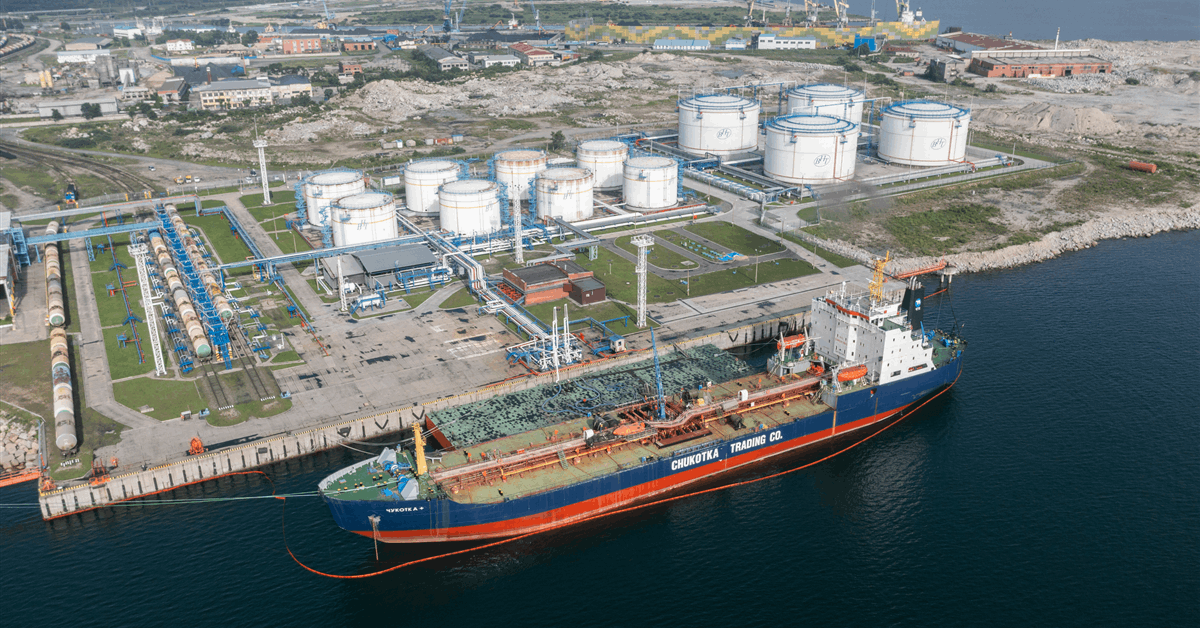
The United Kingdom has joined the European Union in a concerted effort to further constrict Russia’s hydrocarbon revenues, announcing a significant reduction in the price cap on Russian crude oil. This strategic move forms part of a broader, intensified campaign to exert economic pressure on the Kremlin, targeting its financial capacity to sustain ongoing military operations in Ukraine.
Effective September 2, the ceiling for Russian crude oil prices will be lowered from its current $60 per barrel to a stricter $47.60 per barrel, as confirmed by the UK government. Notably, the existing price limits on refined petroleum products remain unaltered: $100 per barrel for high-value derivatives such as diesel and gasoline, and $45 per barrel for lower-value products like fuel oil. This differentiated approach underscores a precise targeting of Russia’s primary export commodity while aiming to mitigate undue disruption to global refined product markets.
EU Broadens Sanctions Horizon
This development follows the EU’s recent approval of its eighteenth package of sanctions against Russia since the full-scale invasion of Ukraine. This comprehensive set of measures introduces new banking restrictions and imposes stringent curbs on fuels derived from Russian petroleum. Key components of this package include severing an additional 20 Russian banks from the critical international payments system SWIFT, further isolating them from global financial flows. Moreover, the sanctions extend to restrict Russian petroleum refined in third countries, particularly targeting jurisdictions that have become significant importers of Russian crude. A notable casualty of these expanded restrictions is a major oil refinery in India, which holds a partial ownership stake by Russia’s state-owned energy giant, Rosneft PJSC, now added to the blacklist.
The collective aim of these latest UK and EU financial instruments is to significantly diminish Russia’s energy revenue, a substantial portion of which currently emanates from its robust oil export trade with nations like India and China. These tightened measures emerge in response to the observation that the initial price cap, instituted by the Group of Seven (G7) nations, yielded a more limited impact than anticipated. The primary reason for this diminished effectiveness was the rapid expansion of a ‘shadow fleet’ of tankers, operating outside Western insurance and maritime services, which allowed Russia to circumvent the original cap with relative ease.
The New Price Floor and Market Adjustments
The revised price cap framework, endorsed by the EU, is designed for dynamic adjustment. Moving forward, the cap will be set at 15 percent below prevailing market rates and will undergo automatic revisions at least twice annually. This mechanism aims to maintain the cap’s relevance and bite, ensuring it continues to pressure Russian revenues regardless of market fluctuations, rather than becoming a static, easily bypassed threshold.
UK Chancellor of the Exchequer Rachel Reeves articulated the strategic intent behind these measures, stating, “This decisive step to lower the crude Oil Price Cap will target Russia’s oil revenues and ramp up the pressure on Putin by exploiting his biggest vulnerability – while keeping energy markets stable.” This statement reflects the delicate balancing act involved: maximizing financial pain on Russia without inadvertently destabilizing global energy supplies, a critical consideration for oil and gas investors monitoring market volatility.
Geopolitical Crosscurrents and Investor Outlook
Despite the unified front presented by the UK and EU, securing broader consensus among G7 members for this lower cap has proven challenging. Notably, the UK and EU have yet to persuade the United States to endorse the reduced price ceiling. Ongoing discussions with other G7 nations highlight the difficulties in achieving full alignment, with US opposition creating hurdles for a unanimous agreement among the group. For investors, this divergence among key global players introduces an element of uncertainty regarding the long-term enforcement and ultimate efficacy of the cap regime.
The EU’s decision to restrict fuels like diesel produced from Russian crude also carries significant market implications. Europe traditionally imports substantial volumes of diesel from India, which in turn has become a major buyer of discounted Russian crude. This intricate supply chain means that any disruption could ripple through the diesel market. Indeed, signs of tightness in global diesel markets have been evident for several weeks, and these new restrictions could exacerbate supply concerns, potentially leading to price increases or increased volatility. Oil & gas investors should closely monitor these dynamics, as shifts in diesel supply and demand can influence refining margins and overall crude demand.
Expanding the Net: Shadow Fleet and Export Controls
The EU’s latest sanctions package, which received backing from envoys after Slovakia’s sign-off, is poised for formal adoption following a meeting of EU ministers in Brussels. While eleventh-hour adjustments remain possible, the core measures are expected to proceed. Beyond the crude price cap, other significant EU actions include:
- Sanctions on dozens more vessels forming part of Russia’s ‘shadow fleet’ of oil tankers, bringing the total number of targeted vessels above 400. This aims to further cripple Russia’s ability to transport its oil outside Western oversight.
- Targeting several entities and traders identified as facilitating the operations of this covert fleet.
- Adding more goods to existing export lists of restricted items, specifically those utilized by Moscow’s defense sector, tightening the technological chokehold.
- Imposing sanctions on several entities, including those based in China, that are perceived as actively assisting Russia in circumventing the bloc’s trade and energy restrictions.
These multifaceted sanctions demonstrate a determined and evolving strategy to isolate Russia economically, impacting not just its direct oil sales but also the infrastructure and networks that support its circumvention efforts. For investors navigating the complex energy landscape, these measures signal continued geopolitical risk and potential for further market dislocations, necessitating a keen eye on evolving supply chains and policy enforcement.