UK Drought Conditions Signal Escalating Natural Gas Demand Pressures
The United Kingdom’s energy market faces new complexities as a significant portion of England grapples with severe drought conditions, a phenomenon increasingly linked to broader climate shifts. Yorkshire, a key economic region, has officially entered drought status, becoming the second area in England to do so this year. This environmental stressor carries material implications for natural gas markets, as a drier, hotter summer is projected to amplify demand for electricity, predominantly met by gas-fired power generation.
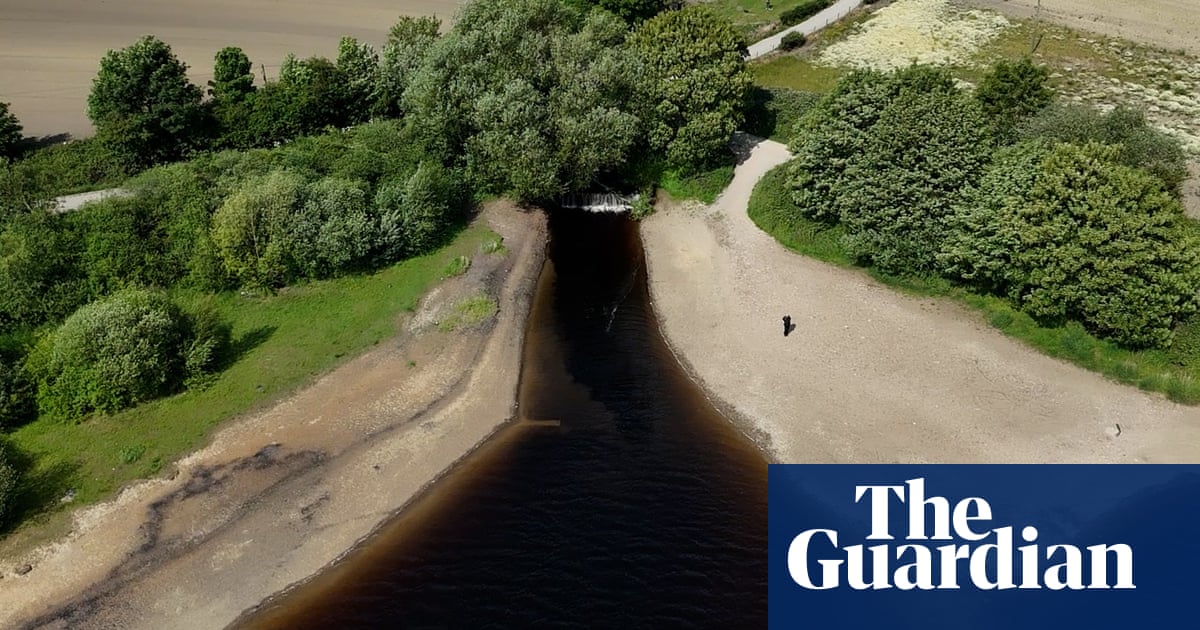
The announcement follows England’s driest spring in 132 years, a stark indicator of the hydrological challenges ahead. Reservoir levels across the country are critically low, with Yorkshire Water reporting its stocks at just 62.3% last week, a 0.51% decline and well below the seasonal average of 85.5%. This mirrors conditions in the North-West, which entered drought status last month with reservoirs at half capacity. The majority of the country currently sits in a “prolonged dry status,” merely a step away from full drought declaration, underscoring the widespread nature of the issue.
Climate Anomalies Drive Energy Market Volatility
Meteorological Office data confirms the severity of the situation, noting that Yorkshire experienced its warmest spring on record for mean temperature since observations began in 1884. Long-range forecasts paint a concerning picture: a greater-than-normal probability of a hot summer looms. This combination of prolonged dryness and anticipated heat creates a potent cocktail for energy market analysts and investors.
Dave Kaye, director of water at Yorkshire Water, articulated the gravity of the situation, highlighting that “one of the driest springs on record” has left reservoir levels “much lower than normal.” He cautioned that without substantial rainfall in the coming months, temporary water usage restrictions, such as hosepipe bans, remain a distinct possibility. Such measures, while targeting domestic consumption, signal a wider resource strain that can indirectly affect industrial operations and overall economic activity.
Operational Impacts and Sectoral Headwinds
The immediate impacts of the drought are already manifesting across the region. The Pennine moorlands have seen multiple wildfires, including significant blazes at Marsden Moor, Wessenden, and Rishworth Moor, demanding emergency resources and highlighting the increased fire risk from parched landscapes. Agriculturally, farmers are reporting initial signs of crop failures, a development that could ripple through food supply chains and consumer prices, potentially dampening discretionary spending.
Furthermore, critical infrastructure is feeling the strain. Low water levels are impeding navigation on several canals and rivers, leading to closures and restrictions across the Canal & River Trust network, notably on the vital Leeds & Liverpool canal. While not directly impacting oil and gas production, such disruptions to inland logistics can increase reliance on road transport, influencing regional diesel demand patterns and supply chain costs for various industries.
The Direct Link to Natural Gas Demand
For oil and gas investors, the most significant takeaway from these drought conditions is the likely upward pressure on natural gas demand. A “hot summer” forecast directly translates into increased electricity consumption for cooling purposes, particularly air conditioning. In the UK, a substantial portion of the electricity grid relies on natural gas-fired power plants to meet peak demand. Therefore, a protracted heatwave, exacerbated by drought, will inevitably drive higher call-offs from the national gas network for power generation.
This increased demand comes at a sensitive time for European gas markets, still reeling from geopolitical tensions and supply uncertainties. Any additional, unexpected call on UK gas supplies for domestic electricity generation could tighten the market, potentially pushing NBP (National Balancing Point) and broader European gas futures (e.g., TTF) higher. Investors in natural gas production and supply chains should monitor these hydrological and meteorological forecasts closely, as they present a tangible demand-side catalyst.
Investment Implications and Energy Security Concerns
The Environment Agency’s planning manager for Yorkshire, Claire Barrow, emphasized the reality of “our climate is changing,” noting “22 days of almost no recorded rainfall in May.” While some rain has fallen in early June, it has been insufficient to reverse the effects of the prolonged dry spell. Her agency is collaborating with Yorkshire Water to activate drought management plans and urges public water conservation, highlighting the environmental consequences of such scarcity.
This situation underscores a growing theme for energy investors: climate breakdown is not a distant threat but a present force reshaping commodity markets. Scientists increasingly link less predictable rainfall patterns to more frequent and intense droughts, making such events less of an anomaly and more of a recurring risk factor. For the UK, already navigating post-Brexit economic adjustments and global energy market volatility, these domestic drought conditions add another layer of complexity to its energy security calculus.
From an investment perspective, companies involved in natural gas exploration, production, and distribution stand to see boosted demand during periods of extreme heat and drought. Conversely, industries heavily reliant on consistent water supplies, or those with significant water footprints in their energy generation processes (e.g., some thermal power plants requiring cooling water), could face operational challenges or increased costs. Investors should evaluate the resilience of their energy portfolios against these emerging climate-driven risks and opportunities.
Adapting to a Changing Climate Landscape
The unfolding drought in England serves as a powerful reminder that environmental factors are no longer peripheral considerations for energy market analysis. They are central drivers of demand, supply chain stability, and ultimately, commodity prices. As the planet’s climate continues to evolve, these hydrological stresses will likely intensify, requiring energy companies and investors to build greater resilience and adaptability into their strategies.
Monitoring regional weather patterns, understanding their direct and indirect impacts on energy demand, and assessing the robustness of national energy infrastructure against environmental shocks will be paramount. For those tracking the oil and gas sector, the UK’s current drought conditions are not just an environmental story; they are a critical market signal, pointing towards potential near-term upside for natural gas demand and highlighting the ever-present need for strategic foresight in a rapidly changing energy landscape.


