UK Canal Cuts: Infra Risk Looms for Energy Sector
Investors in the United Kingdom’s energy sector face an underappreciated, yet significant, infrastructure vulnerability stemming from impending government funding reductions to the nation’s aging inland waterway network. What appears on the surface as an environmental or recreational concern could, upon closer inspection, trigger substantial operational and financial risks for critical oil and gas assets, power generation, and distribution systems across the country.
The Department for Environment, Food and Rural Affairs (Defra), which contributes a quarter of the financial backing for the Canal and River Trust (CRT), is reportedly bracing for budget cuts in the forthcoming June spending review. This move threatens to exacerbate an already precarious financial situation for the CRT, the organization responsible for overseeing most of the UK’s intricate network of canals, reservoirs, and weirs. Hundreds of millions of pounds in government funding are already slated for withdrawal, placing immense pressure on an infrastructure system deemed vital, yet historically undercapitalized.
The Looming Infrastructure Crisis
The CRT’s 2023-24 annual report offered a stark warning, highlighting the “continued effect of climate change taking its toll on our ageing canal infrastructure.” This isn’t theoretical; the report explicitly detailed how a series of winter storms, following a period of prolonged hot, dry weather, inflicted significant damage, necessitating £9 million in emergency repair works. This pattern underscores the escalating challenge posed by extreme weather events on an already fragile system.
The financial figures within the CRT report paint a clear picture of deficit spending. The Trust recorded an income of £237.3 million against a total expenditure of £252.4 million, revealing a substantial shortfall. Such financial strain directly compromises the CRT’s ability to undertake preventative maintenance and essential upgrades, leaving critical assets susceptible to failure. These waterways are not merely recreational; they form part of the nation’s foundational infrastructure, impacting everything from local economies to ecological stability, and, critically, the integrity of nearby industrial operations.
The Toddbrook Precedent: A Sobering Warning
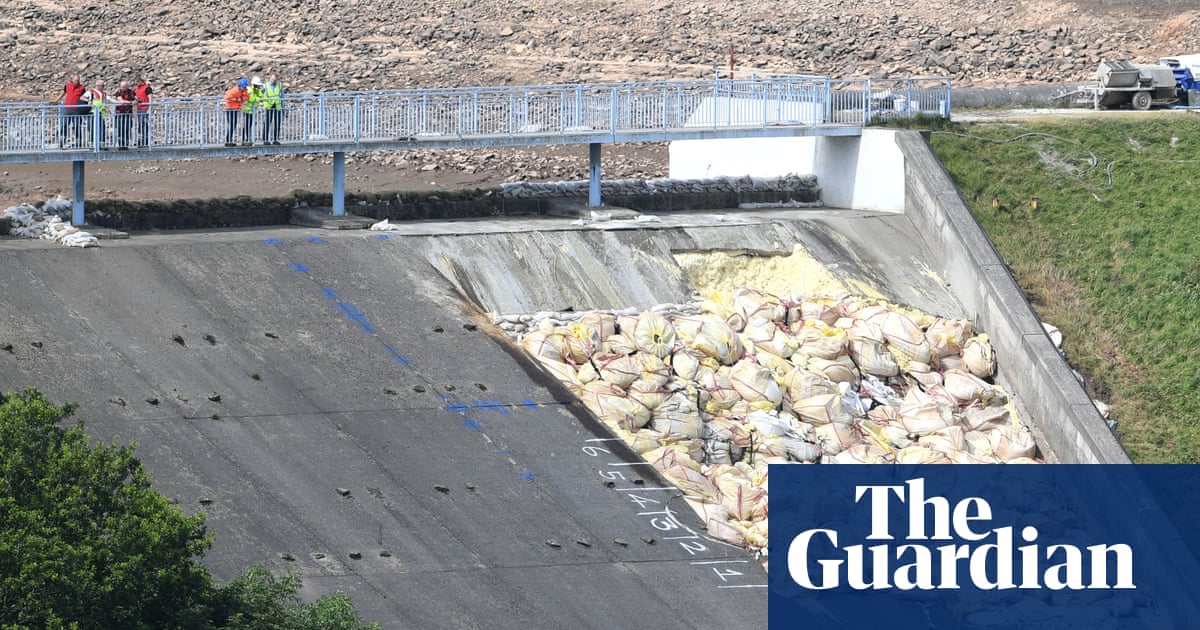
The potential for catastrophic failure within this network is not speculative. A chilling incident in 2019 at the Toddbrook reservoir in Derbyshire offers a vivid illustration of the risks involved. A dam at the reservoir suffered severe damage after heavy rainfall, leading to a section of the spillway collapsing. The event prompted the immediate evacuation of approximately 1,500 residents from the town of Whaley Bridge as emergency crews worked tirelessly to avert a full structural collapse, including pumping water away and deploying sandbags via RAF helicopters. Experts calculated the volume of water held in the reservoir as equivalent to 551 Olympic-sized swimming pools, or the daily water consumption of 8.6 million people – an unimaginably powerful force that could have obliterated the town.
This incident, while not directly impacting an energy facility, serves as a critical stress test scenario for investors. It demonstrates the profound disruptive potential of neglected water infrastructure, an event that could easily replicate itself near vital energy assets. The Inland Waterways Association (IWA) has, for the first time, explicitly warned about the direct risk to human life from inadequate canal maintenance, emphasizing that it is “not an overstatement to marvel that so far there has been no loss of life.” Such warnings should resonate deeply within the investment community, particularly those with stakes in UK industrial and energy infrastructure.
Direct Implications for Oil & Gas Investments
The connection between decaying canal infrastructure and the energy sector is more profound than it first appears. Widespread flooding, dam failures, or prolonged disruptions to waterway networks pose multifaceted threats to oil and gas operations and broader energy security:
- Asset Integrity: Many critical energy assets—pipelines, power lines, substations, gas processing plants, and even some storage facilities—are situated near or traverse river and canal systems. Major floods or dam breaches could directly inundate and damage these installations, leading to operational shutdowns, costly repairs, and potential environmental hazards.
- Supply Chain Disruption: The movement of refined products like diesel, petrol, and jet fuel, as well as essential equipment for energy projects, relies heavily on road and rail networks. Significant flooding caused by failing water infrastructure can sever these transport arteries, disrupting fuel distribution to power stations, industrial consumers, and retail outlets, impacting national energy supply chains.
- Operational Continuity: Evacuation orders, as seen in Whaley Bridge, can impede personnel access to operational energy sites in affected regions, leading to staffing shortages and potential operational pauses. Furthermore, water ingress into critical control systems or electrical infrastructure could necessitate emergency shutdowns.
- Economic Impact: Widespread flooding paralyzes economic activity, potentially reducing energy demand from industrial users and businesses in affected areas, while simultaneously increasing demand for emergency power and resources for recovery efforts. This creates volatility and uncertainty in regional energy markets.
Financial Repercussions for Energy Investors
For financial stakeholders, these infrastructure risks translate into tangible investment concerns. Increased frequency of extreme weather events, coupled with declining maintenance budgets, elevates the probability of disruptive incidents. This directly impacts:
- Insurance Premiums: Energy assets situated in areas prone to flooding or near at-risk water infrastructure could face escalating insurance costs, eroding profit margins.
- Asset Valuation: The underlying value of energy infrastructure assets located in vulnerable regions may be subject to re-evaluation, potentially leading to write-downs or a higher cost of capital for new projects.
- Regulatory Scrutiny: A major infrastructure failure could trigger heightened regulatory oversight across all critical national infrastructure operators, including energy companies, demanding more rigorous resilience planning and compliance, adding to operational expenses.
- Investment Confidence: Uncertainty surrounding the resilience of foundational infrastructure can deter new investment in the UK energy sector, particularly for long-term projects with significant upfront capital requirements.
Proactive Risk Management is Imperative
The UK’s canal network, often viewed as a quaint historical relic or a recreational amenity, is in fact a critical piece of national infrastructure whose deterioration poses a very real and growing threat to the energy sector. The cuts to the Canal and River Trust’s funding represent a short-sighted fiscal decision with potentially severe long-term consequences. Investors must integrate this overlooked risk into their due diligence, scrutinizing the proximity of their energy assets to vulnerable water infrastructure and assessing the robustness of regional emergency response and supply chain resilience plans.
The financial implications of neglecting essential infrastructure are always greater than the cost of proactive maintenance. As climate change continues to stress these aging systems, the hidden costs of inaction on the UK’s waterways could manifest as significant disruptions and financial headwinds for the nation’s energy market.