Yinson Chairman’s Shareholding in Focus Amidst High-Stakes Deal Discussions
Kuala Lumpur-listed energy giant Yinson Holdings is at the center of significant market speculation following revelations that its esteemed Chairman, Lim Han Weng, is engaged in exploratory discussions with multiple parties regarding his substantial shareholding. This development has sent ripples through the oil and gas investment community, hinting at a potential transformative shift for one of the world’s leading floating production, storage and offloading (FPSO) vessel operators.
In an official statement released to Bursa Malaysia, Yinson Holdings acknowledged the ongoing dialogue. The company clarified that while these discussions are indeed underway, they remain in a preliminary, exploratory phase. Consequently, there is currently “no conclusive indication that the discussions would give rise to a corporate proposal involving Yinson.” This cautious tone underscores the sensitive nature of such high-level negotiations, yet the mere confirmation of these talks is enough to ignite investor interest in the future trajectory of the energy infrastructure powerhouse.
Unpacking the Potential Privatization: A $2.1 Billion Valuation?
While Yinson’s official disclosure remained circumspect about the identities of the parties involved, recent market intelligence, corroborated by a Bloomberg report from last week, has brought a specific suitor into the spotlight. Sources suggest that the Lim family is currently in exclusive negotiations with New York-based private equity titan Stonepeak Partners. The rumored objective of these talks is a potential take-private transaction that could value Yinson Holdings at a staggering 9 billion Malaysian ringgit, which translates to approximately $2.1 billion USD.
Such a valuation represents a substantial premium for existing shareholders. At the time of the report, Yinson’s market capitalization stood at 6.5 billion ringgit. The proposed 9 billion ringgit valuation therefore implies a robust 38% premium, offering a compelling exit opportunity for investors. This significant uplift highlights the strategic value and underlying strength that private equity firms like Stonepeak perceive in Yinson’s assets and operational capabilities. For investors tracking the global energy sector, a privatization deal of this magnitude would be a clear indicator of the robust appetite for established, cash-generative energy infrastructure businesses, even amidst broader energy transition narratives.
From Transport to Global FPSO Powerhouse: Yinson’s Evolution
Yinson Holdings’ journey to becoming a global energy infrastructure player is a testament to its visionary leadership and strategic adaptability. Founded in 1984 by Lim Han Weng and his wife, Bah Kim Lian, the company initially carved out a niche in the transport and trading sectors. Over the decades, however, Yinson underwent a profound transformation, strategically diversifying its operations to focus on the high-value, capital-intensive energy infrastructure segment.
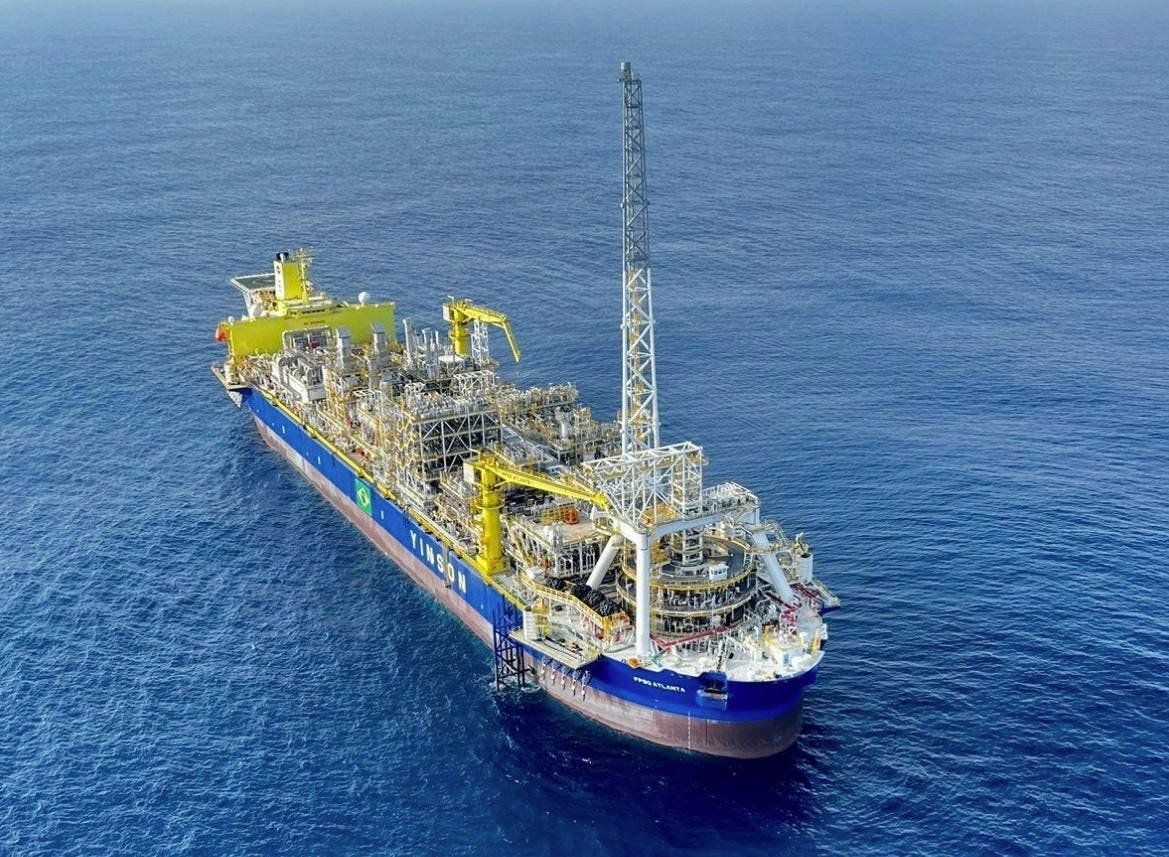
Today, Yinson stands as one of the preeminent operators of FPSO vessels globally. These critical assets are leased to major oil and gas companies, facilitating offshore crude oil and natural gas production in some of the world’s most prolific basins. Yinson’s operational footprint extends across key regions, with significant FPSO deployments in Angola, Brazil, Ghana, and Vietnam. The company’s expertise in managing and operating these complex facilities has solidified its reputation as a reliable and efficient partner in the upstream sector.
The financial muscle underpinning Yinson’s FPSO division was recently bolstered by a significant capital injection. In January of this year, its FPSO operating unit successfully raised an impressive $1 billion from a consortium of leading institutional investors. This syndicate included the Abu Dhabi Investment Authority, British Columbia Investment Management, and the Singapore-based private equity firm RRJ Capital. This substantial funding underscores the market’s confidence in Yinson’s FPSO business model and its long-term growth prospects, providing capital for expansion and fleet modernization in a sector vital to global energy supply.
Strategic Diversification into Renewable Energy
Recognizing the evolving global energy landscape, Yinson Holdings embarked on a strategic diversification into renewable energy in 2020. This forward-looking move signals the company’s commitment to a sustainable energy future and its ambition to build a diversified, resilient energy portfolio. The initial foray into renewables has seen Yinson develop and operate solar power plants, establishing a presence in key emerging markets for renewable energy.
Currently, Yinson’s renewable energy portfolio includes operational solar plants in India and Peru. This expansion into clean energy not only aligns with global decarbonization efforts but also positions Yinson to capitalize on the rapidly growing demand for sustainable power solutions. For investors, this dual strategy of maintaining a strong foothold in essential oil and gas infrastructure while actively building a renewable energy segment presents an attractive proposition, balancing current cash flows with future growth opportunities in the energy transition.
The Architect of an Empire: Lim Han Weng’s Influence
At the heart of Yinson’s remarkable growth and strategic pivots lies its founder and chairman, Lim Han Weng. As the patriarch of the Lim family, his vision has guided the company from its humble beginnings to its current status as a formidable player in the international energy arena. The potential deal concerning his shareholding is not merely a financial transaction but a reflection of the long-term stewardship and value creation under his leadership.
The Lim family’s significant wealth further underscores their influence and investment capacity. With a net worth estimated at $480 million, the Lim family secured the No. 41 position in Forbes Asia’s prestigious list of Malaysia’s richest, published in April of this year. This substantial financial standing provides context to the scale of the potential deal and the family’s ability to engage in complex, high-value corporate maneuvers. Any transaction involving their core shareholding would undoubtedly reshape Yinson’s ownership structure and potentially its strategic direction, making this a pivotal moment for all stakeholders in the company and the broader oil and gas investment landscape.