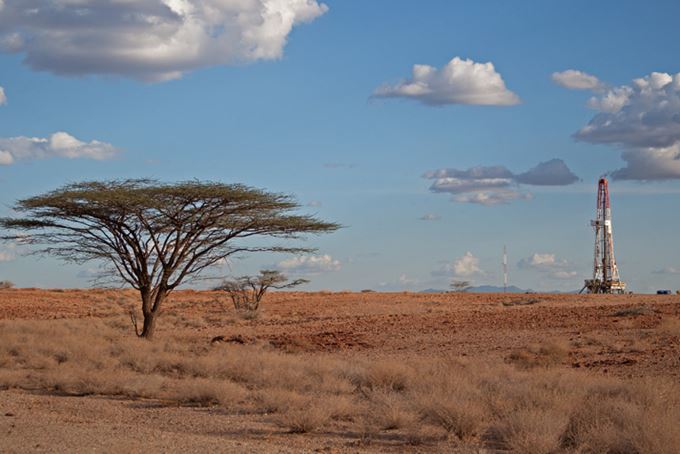
London-listed independent oil producer Tullow Oil Plc, in conjunction with its partner Gulf Energy Ltd. of Kenya, has successfully secured a vital six-month extension for the submission of a comprehensive field development plan for their oil discoveries in Kenya. This regulatory reprieve, pushing the deadline to December, represents a critical milestone in advancing the long-anticipated divestment of these assets and reshaping Tullow’s financial trajectory.
For over a decade, the Tūrkana Basin assets in Kenya have presented a complex challenge for Tullow, hindering their progression from discovery to commercial production. The recent agreement to offload these oil deposits to Nairobi-based trading firm Gulf Energy for a consideration of $120 million was met with considerable optimism by the investment community. Shareholders have been keenly awaiting strategic moves to bolster Tullow’s balance sheet and reduce its substantial debt burden, making the successful execution of this asset sale paramount.
The consummation of the $120 million transaction hinges directly on the joint submission and approval of a viable plan outlining the steps to bring the oilfields into active production. Daniel Kiptoo, the Director-General of Kenya’s Energy and Petroleum Regulatory Authority (EPRA), confirmed the extension, indicating that while the regulator anticipates expedient progress, certain modifications to the proposed development strategy from Gulf Energy are expected before the final submission. This suggests a careful regulatory oversight process, aiming to ensure the long-term sustainability and operational integrity of the project.
Tullow Oil, a prominent player in African oil and gas exploration and production (E&P), has been actively re-evaluating its global portfolio. The planned sale of its Kenyan interests aligns with a broader corporate strategy focused on streamlining operations, optimizing capital allocation, and strengthening its financial position. The company’s ongoing efforts to divest non-core assets also include undertakings in Gabon, further underscoring its commitment to a leaner, more efficient business model designed to enhance shareholder value.
Strategic Implications for Tullow’s Financial Health
The divestment of the Kenyan oilfields is more than just an asset sale; it is a pivotal component of Tullow’s overarching financial restructuring. Investors have long expressed concerns regarding the company’s debt levels, and transactions like the $120 million Kenyan deal are crucial for demonstrating a clear path towards deleveraging. By shedding assets that have required significant capital expenditure without generating commensurate returns, Tullow aims to free up capital, reduce future liabilities, and focus resources on its more profitable, cash-generative projects.
The prolonged period of development for the Kenyan assets, spanning over ten years, has tied up considerable capital and management attention. The inability to bring these discoveries online has been a persistent drag on Tullow’s operational performance and market valuation. Successfully concluding this sale would not only inject much-needed cash but also remove a significant operational and financial overhang, allowing the company to concentrate on optimizing its core West African portfolio, particularly its assets in Ghana.
From an investor perspective, the granted extension provides a window of opportunity to finalize the intricacies of the development plan, which is often a complex undertaking involving environmental assessments, infrastructure planning, and economic feasibility studies. While delays can sometimes be perceived negatively, in this instance, a structured extension with clear regulatory expectations could lead to a more robust and ultimately more successful project framework, benefiting all stakeholders.
Navigating Regulatory Landscapes and Project Realization
The expectation from the Kenyan energy regulator that Gulf Energy will revise certain aspects of the development plan highlights the rigorous oversight common in frontier oil and gas markets. Such modifications can encompass a wide range of considerations, from production methodologies and environmental safeguards to local content requirements and economic impact assessments. Ensuring alignment with national energy policies and sustainable development goals is a standard practice for host governments and regulatory bodies.
For Gulf Energy, a Nairobi-based entity, the acquisition of these assets represents a significant step into the upstream segment of the oil and gas value chain. Successfully executing the development plan will not only be a testament to its capabilities but also a critical factor in Kenya’s aspirations to become a notable oil producer. The partnership with an experienced international E&P firm like Tullow through the transition phase is likely beneficial, combining local market understanding with global operational expertise.
The oil and gas investment landscape often demands patience and adaptability, particularly in regions with nascent production histories. The process of moving from discovery to first oil is fraught with technical, financial, and logistical challenges. The six-month extension, therefore, should be viewed as a practical adjustment to ensure all prerequisites are meticulously addressed, rather than an indicator of fundamental issues with the deal itself.
Outlook for Oil and Gas Investments in Africa
The broader context of this transaction reflects evolving trends in African oil and gas investments. Many international oil companies are recalibrating their portfolios, often divesting non-core or high-CAPEX projects to local or regional players. This shift allows larger companies to focus on mega-projects or regions with established infrastructure, while fostering the growth of indigenous energy companies. For investors, understanding these dynamics is key to identifying future growth opportunities and managing risk in the continent’s diverse energy sector.
Tullow’s proactive approach to portfolio management, including the divestment in Kenya and ongoing efforts in Gabon, signals a clear commitment to enhancing operational efficiency and financial resilience. As the global energy transition gains momentum, E&P companies are under increasing pressure to demonstrate disciplined capital allocation and robust financial health. Deals like the Kenyan asset sale are instrumental in achieving these objectives, providing liquidity and reducing exposure to long-cycle projects that may face increasing scrutiny.
While the company indicated on June 30 that the final sale agreement was anticipated in the near term, the extension provides additional time for all parties to converge on a mutually agreeable and regulatorily compliant development framework. For investors tracking Tullow Oil, the successful completion of this transaction remains a key performance indicator, signaling the company’s progress in its strategic pivot towards a more sustainable and profitable future in the dynamic global energy market.