TotalEnergies’ Saft Powers Major 1 GWh Battery Storage Project in Japan, Signaling Robust Asian Energy Transition
TotalEnergies’ advanced battery subsidiary, Saft, has secured a landmark agreement to deploy a significant battery energy storage system (BESS) for Gurīn Energy Pte. Ltd. in Fukushima, Japan. This pivotal project underscores the accelerating shift towards robust, grid-scale energy solutions in one of Asia’s most critical markets, offering compelling insights for investors monitoring the global energy transition.
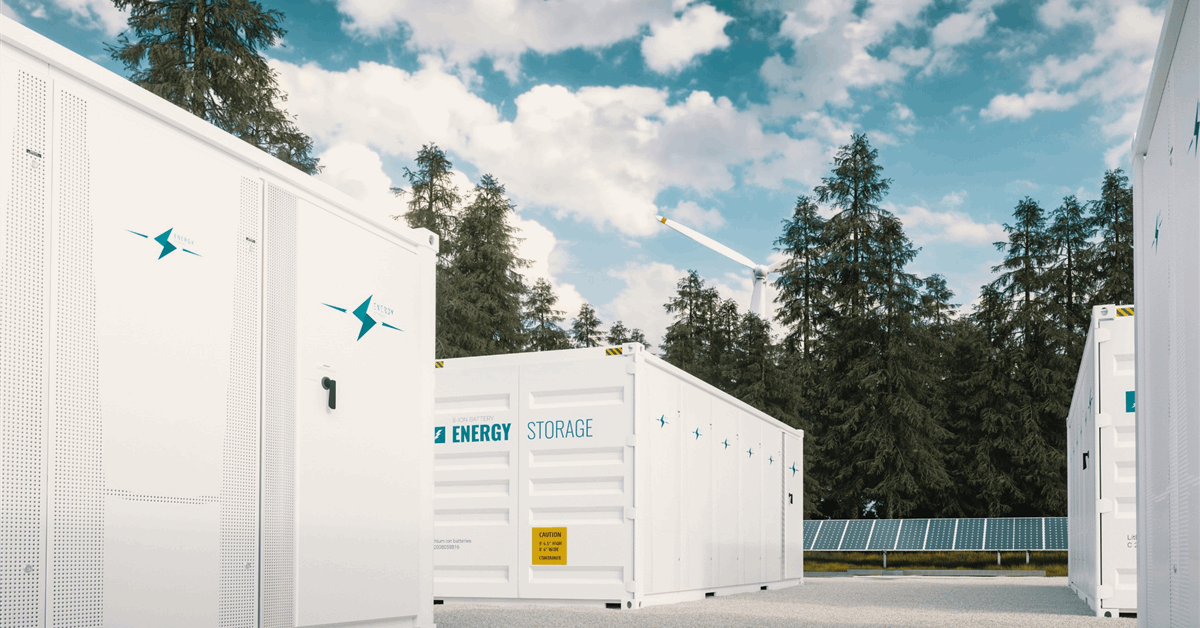
The contract stipulates that Saft will furnish a comprehensive, fully integrated lithium-ion (Li-ion) battery system, boasting an impressive total storage capacity exceeding 1 gigawatt-hour (GWh). This formidable energy reservoir will be complemented by sophisticated power conversion and power management systems, sourced from Saft’s strategic partners. Furthermore, the deployment will incorporate Saft’s proprietary I-Sight cloud supervision and data management platforms, enhanced with cutting-edge AI-based functionalities, ensuring optimal performance and operational intelligence.
Strategic Expansion in Asia’s Energy Storage Landscape
This initiative represents a significant strategic foothold for Saft within the burgeoning Asian energy market. Vincent Le Quintrec, Saft’s Sales and Marketing Director for Energy Storage Systems, highlighted the region’s importance, stating that Asia is “a critical region for the sustained, long-term growth of Saft’s ESS business.” He further emphasized the synergy between Saft’s proven track record in Li-ion BESS technology and Gurīn Energy’s ambitious renewable project pipeline, suggesting a crucial role for their collaboration in Japan’s overarching energy transition objectives.
Beyond the hardware and software provision, Saft’s commitment extends to the full lifecycle of the BESS, including its installation, commissioning, and ongoing servicing. This integrated approach minimizes client risk and ensures seamless operation, a key factor for large-scale infrastructure investments.
Fukushima Project: A Pillar of Japan’s Grid Modernization
The BESS will be strategically deployed as a standalone energy storage facility in Soma City, Fukushima Prefecture. Upon completion, this project will be capable of delivering over 240 megawatts (MW) of power continuously for a four-hour duration, a critical capability for grid stabilization and peak shaving. Construction is slated to commence in 2026, marking a tangible step towards enhancing Japan’s energy infrastructure.
Large-scale energy storage systems are indispensable tools for modern grid operators, enabling them to effectively balance the fluctuating dynamics of electricity demand against intermittent renewable generation. By integrating such substantial storage capacity, Japan aims to fortify its energy supply stability and maximize the utilization of its growing renewable energy portfolio. This move is directly aligned with the nation’s ambitious energy policy objectives: escalating renewable energy contributions from the current 27 percent to a target of 40-50 percent by 2040, and achieving complete carbon neutrality by 2050.
Gurin Energy’s Vision for Asian Renewables
Gurīn Energy, a dynamic player in the Asian renewable energy sector, views this Fukushima project as a cornerstone of its regional strategy. Ushio Okuyama, Country Manager for Japan at Gurīn Energy, articulated the company’s mission: “At Gurin Energy, we’re on a mission to accelerate the energy transition in Asia, and we do this by developing projects that strategically advance the renewable energy landscape in the region.” Okuyama underscored the transformative potential of the Soma City facility, predicting its substantial contribution to the flexibility and resilience of local, regional, and national power grids.
For investors, Gurīn Energy’s proactive stance in developing projects that address critical grid needs highlights a significant growth area. The company’s focus on strategic advancement within the renewable energy domain positions it as a key partner for technology providers like Saft and ultimately, for the broader energy market looking for sustainable returns.
Investment Outlook: TotalEnergies’ Diversification and BESS Market Growth
This contract win further solidifies TotalEnergies’ strategic pivot towards low-carbon energies and its diversification beyond traditional oil and gas operations. Through Saft, TotalEnergies is not merely participating but leading in crucial segments of the energy transition, particularly in advanced battery storage solutions. This diversified portfolio approach offers investors exposure to both conventional energy revenues and the high-growth potential of renewable energy infrastructure.
The global battery energy storage market is experiencing exponential growth, driven by falling costs of Li-ion technology, increasing renewable energy penetration, and heightened demand for grid reliability. Japan, with its high energy demand and aggressive decarbonization targets, represents a premium market for BESS deployment. Saft’s latest achievement in Fukushima serves as a powerful indicator of this market’s vitality and the expanding opportunities for technology providers and project developers.
As governments worldwide commit to more ambitious climate goals, the need for sophisticated energy storage solutions will only intensify. Projects like the one in Fukushima are not just technological feats; they are critical economic enablers, fostering energy independence, supporting industrial growth, and paving the way for a more sustainable energy future. Investors keen on the long-term trajectory of the energy sector should pay close attention to such developments, as they represent tangible progress in the global energy transition narrative and highlight robust investment pathways in advanced energy infrastructure.