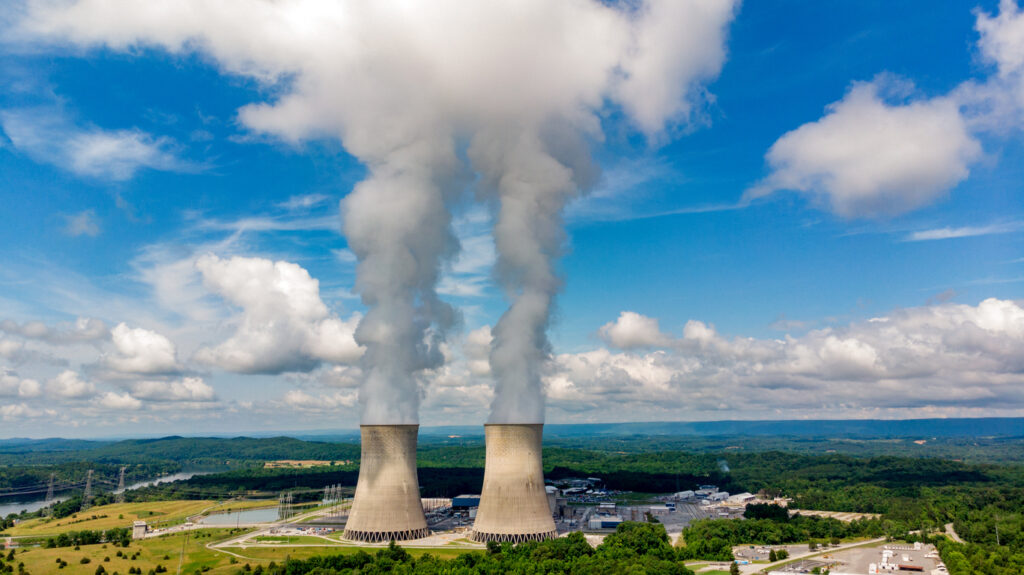
In a significant development signaling a potential paradigm shift for America’s energy future, the recent administrative action involving the Nuclear Regulatory Commission (NRC) has sent ripples across the entire U.S. power generation landscape. This strategic move, orchestrated by the Trump administration, is widely interpreted as a clear signal of an impending push for deregulation and accelerated project development, which could yield substantial benefits not just for the nuclear sector but also for the broader energy industry, including traditional oil and gas.
Shifting Gears at the Nuclear Regulatory Commission
The recent removal of Christopher Hanson from his post as Chairman of the Nuclear Regulatory Commission marks a pivotal moment. This executive decision creates a critical leadership vacancy, paving the way for the appointment of an individual more aligned with a streamlined, less encumbered regulatory philosophy. For investors tracking the energy sector, this administrative change underscores a pronounced commitment to fostering an environment conducive to rapid growth and innovation.
The NRC’s mandate is expansive, encompassing the oversight of America’s 94 operational commercial nuclear reactors, alongside the crucial task of regulating novel designs such as small modular reactors (SMRs). Its role is indispensable for ensuring the nation’s energy security and facilitating the transition towards cleaner energy sources. The incoming leadership is anticipated to prioritize measures designed to expedite licensing processes, alleviate specific regulatory burdens, and fast-track the deployment of next-generation nuclear technologies. These initiatives are squarely aligned with a comprehensive “energy dominance” strategy, aiming to solidify the U.S. position in global energy markets.
Unlocking Investment and Global Competitiveness
Prior criticism leveled against the previous NRC leadership often centered on a perceived inclination towards overly cautious, risk-averse regulatory frameworks. Such approaches, detractors argued, had the unintended consequence of delaying or even deterring much-needed private-sector investment in nuclear infrastructure. The current administration’s allies are now poised to champion a more permissive and proactive regulatory climate. This shift is not merely about domestic policy; it’s a strategic maneuver designed to sharpen U.S. competitiveness on the international stage, particularly against formidable rivals like Russia’s Rosatom and South Korea’s KHNP in the lucrative global reactor export market.
Beyond reactor sales, these policy adjustments hold significant implications for critical supply chain negotiations. The U.S. stands to enhance its leverage in securing vital nuclear fuel enrichment and uranium sourcing, especially in an era of heightened geopolitical tensions, particularly with nations like China. A robust domestic nuclear sector, unburdened by excessive regulatory red tape, directly contributes to national security and economic resilience, factors that resonate across all energy segments, including the stability and investment appeal of oil and gas markets.
Tech Giants Fueling Nuclear Demand
A compelling narrative underpinning the urgency for regulatory efficiency in nuclear power comes from the tech industry. Major players such as Meta, Microsoft, and Amazon are increasingly committing to long-term nuclear power purchase agreements (PPAs) to meet the insatiable energy demands of their rapidly expanding, AI-driven data infrastructure. These corporations are keenly observing how changes in NRC leadership might impact the approval timelines and market deployment schedules for advanced reactor projects. The industry is bracing for what could be one of the most transformative shifts in U.S. nuclear oversight in recent memory, with direct implications for capital allocation and project viability.
Recent high-profile agreements underscore this trend. Constellation Energy and Meta finalized a 20-year deal earlier this June for 1,121 megawatts (MW) of output, a partnership that also supports the relicensing of existing assets and generates an impressive $13.5 million in annual tax revenue. Similarly, Amazon Web Services (AWS) expanded its nuclear portfolio through a revised “front-of-meter” PPA with Talen Energy, securing access to up to 1,920 MW through 2042. Crucially, this agreement also includes backing for future SMR deployments, highlighting the forward-looking nature of these investments.
Broader Implications for Oil & Gas Investors
While the immediate focus of this regulatory reshuffle centers on the nuclear power industry, the broader implications for the U.S. energy sector, particularly for oil and gas investors, are profound. A clear governmental signal favoring deregulation and accelerated project approvals in one critical energy vertical like nuclear creates a significantly more favorable investment climate across the entire energy complex. The underlying philosophy of reducing governmental friction and adopting a “pro-energy” stance generally translates into tangible benefits for oil and gas operations.
For O&G companies, this could manifest as streamlined permitting processes for drilling, infrastructure development, and export facilities. Reduced regulatory burdens mean faster project execution, lower compliance costs, and enhanced capital efficiency. A governmental approach that values domestic energy production and seeks to remove obstacles is inherently beneficial for attracting new capital into the oil and gas sector. This policy stance supports increased domestic output, strengthens energy independence, and can lead to more predictable and potentially higher returns for investors in exploration and production, midstream, and downstream segments.
Furthermore, a stable and expanding nuclear base contributes to the overall grid reliability and reduces reliance on intermittent renewables, which can sometimes place additional demands on natural gas peaker plants. By diversifying the energy mix with reliable baseload power from nuclear, the entire energy system becomes more robust, indirectly benefiting all participants, including oil and gas producers who supply fuel for various industrial and residential needs.
Investor Outlook: A Deregulatory Tailwind
From an investor’s vantage point, the current administration’s aggressive push towards deregulation and a more permissive environment for energy development should be viewed as a significant tailwind. This isn’t merely about facilitating nuclear growth; it’s about establishing a broader policy framework that prioritizes domestic energy production, fosters innovation, and minimizes bureaucratic impediments across all energy sectors. Oil and gas companies, already navigating complex market dynamics, stand to benefit from a regulatory landscape that encourages investment and growth rather than stifles it.
The commitment to American energy dominance, epitomized by these actions within the nuclear sphere, signals a promising trajectory for capital deployment, accelerated project timelines, and potentially enhanced returns throughout the U.S. energy value chain. Investors should closely monitor these developments, recognizing that a more predictable and supportive regulatory framework can unlock substantial value and reinforce America’s position as a global energy powerhouse.