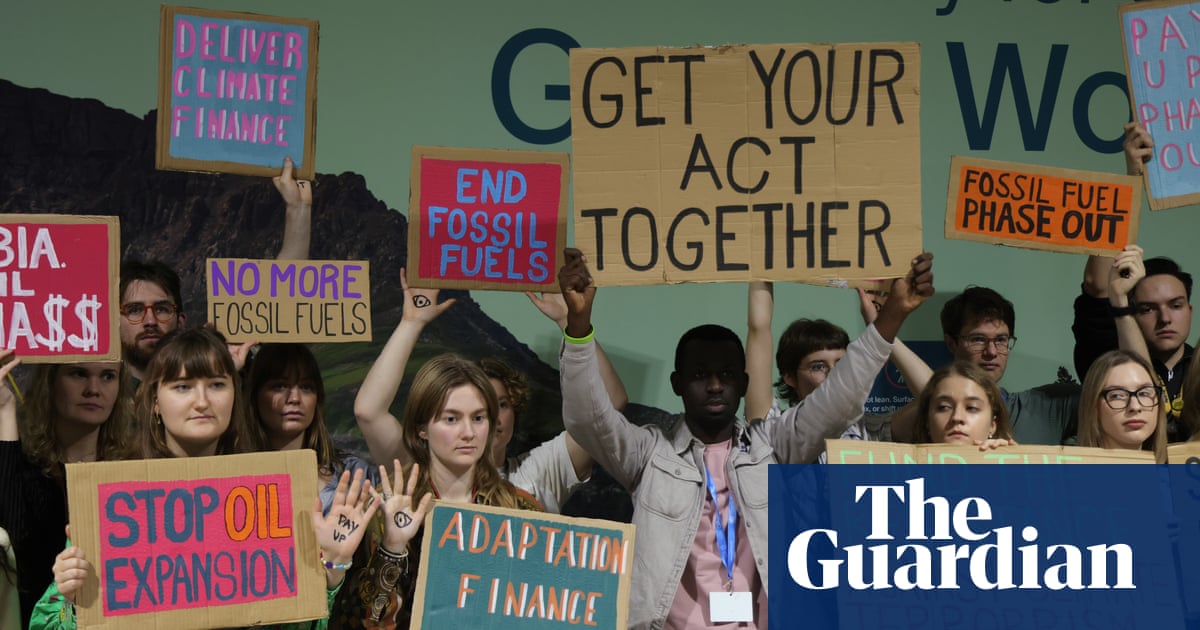
The global energy sector stands at a critical juncture, with investors keenly observing shifts in geopolitical winds and domestic policy that could profoundly impact the future of hydrocarbon markets. Amidst a landscape of persistent economic uncertainty, the upcoming United Nations climate talks, COP30, slated for November in Belem, Brazil, are already facing significant headwinds. André Corrêa do Lago, the summit chair, has candidly described the path forward as “a slightly uphill battle,” a sentiment widely shared across the international community, particularly given current economic pressures and the anticipated policy leanings of a potential future U.S. administration. These pivotal discussions aim to galvanize governments worldwide to present updated national strategies for climate action and greenhouse gas emission reduction; however, the present pace of commitment remains sluggish, with few nations unveiling ambitious new targets, placing global efforts considerably off track from crucial temperature limitation goals.
Potential Policy Reversal: A Tailored Boost for Hydrocarbon Investments
A central tenet of this evolving energy narrative is the looming prospect of Donald Trump’s return to the U.S. presidency. His previous tenure saw the United States, the world’s largest economy, withdraw from the Paris climate accord and embark on a comprehensive dismantling of domestic environmental regulations. These actions sent unmistakable signals to energy markets regarding his administration’s priorities. Trump, who has consistently characterized climate change as a “giant hoax,” is widely expected to rekindle similar policy initiatives if re-elected, thereby creating a distinct and powerful policy tailwind for the entire oil and gas sector.
For astute investors with portfolios anchored in conventional energy assets, this outlook suggests a significant easing of regulatory burdens and a less aggressive push towards decarbonization emanating from the world’s most influential economic power. Such a transformative shift could directly translate into substantial benefits: reduced operational costs for energy companies, fewer restrictions on critical exploration and production activities, and a more broadly favorable investment climate for fossil fuel projects within the United States. Moreover, the ripple effect could extend globally, as other nations might recalibrate their own environmental commitments and energy strategies in response to a U.S. pivot, potentially opening new avenues for international hydrocarbon development and investment.
Global Economic Imperatives and Energy Security Prioritization
Beyond the specifics of U.S. policy, the broader global economic landscape presents its own compelling set of considerations for oil and gas investors. Historically, a trade war initiated by the Trump administration contributed significantly to concerns about a worldwide economic slowdown. Today, the global economy continues to grapple with persistent inflationary pressures, escalating geopolitical tensions, and ongoing disruptions within critical supply chains. These multifaceted conditions frequently compel governments across the globe to prioritize immediate energy security and affordability over more stringent, long-term decarbonization targets.
This stark economic reality inherently provides a robust underpinning for traditional energy sources, particularly crude oil and natural gas. These foundational commodities remain indispensable to global energy supply and are inextricably linked to economic stability and growth. When faced with the imperative to power industries, heat homes, and fuel transportation networks reliably and affordably, policymakers often find themselves leaning on the proven capabilities and extensive infrastructure of the hydrocarbon sector. This sustained demand, driven by economic necessity, reinforces the long-term viability and attractiveness of investments in upstream exploration, midstream infrastructure, and downstream refining and distribution.
Navigating the Investor Horizon: Strategic Positioning for Conventional Energy
The convergence of potential pro-hydrocarbon policy shifts in the United States and the enduring global economic demand for reliable, affordable energy creates a compelling narrative for investors in the oil and gas space. A regulatory environment that fosters rather than constrains development, coupled with a global economy that still heavily relies on conventional fuels, positions the sector for potentially significant growth and profitability. Companies engaged in exploration, production, transportation, and refining stand to benefit from reduced compliance costs, streamlined permitting processes, and a generally more supportive governmental stance. This scenario could unlock new investment opportunities, stimulate capital expenditure, and enhance shareholder value.
As the world grapples with its energy future, the practical realities of economic growth, energy security, and technological readiness often dictate policy pace. For now, the path appears to be clearing for a resurgence in conventional energy investment, driven by these powerful political and economic tailwinds. Investors should closely monitor these developments, recognizing that strategic positioning in the hydrocarbon sector could yield substantial returns in this evolving global energy paradigm.