Navigating Nuclear Ambitions: Regulatory Shifts and Investment Risks in the U.S. Energy Landscape
The United States energy sector stands at a pivotal juncture as presidential directives aim to dramatically accelerate nuclear power deployment. A recent series of executive orders signals an aggressive push to quadruple domestic nuclear generation capacity by 2050, positioning this carbon-free source as a critical enabler for burgeoning demands from artificial intelligence and broader electrification. However, this ambitious strategy, particularly its focus on streamlining regulatory processes, casts a long shadow of concern over the independent oversight crucial for public safety and, by extension, the financial viability of future nuclear projects.
The Administration’s Drive for “Fast and Safe” Nuclear Expansion
The White House views nuclear energy as an indispensable, reliable power source essential for meeting future energy needs. The administration’s plan centers on an overhaul of the Nuclear Regulatory Commission (NRC), the independent federal agency established in 1975 with the sole mandate of ensuring the safe deployment and operation of nuclear reactors. President Donald Trump has accused the NRC of excessive “risk aversion,” arguing that its cautious approval framework has stifled nuclear plant construction over the past three decades. The president contends that a regulatory focus on “the most remote risks” unnecessarily restricts access to reliable electricity, asserting that future development can be “fast and safe” with a revamped regulatory approach and new leadership at the commission.
Historical Costs and the True Hurdles to Nuclear Growth
While the administration points to regulatory caution as the primary impediment, former federal officials familiar with the NRC’s operations offer a contrasting perspective, highlighting the immense financial challenges inherent in large-scale nuclear construction. These experts, including former NRC chairs appointed across different administrations, argue that the industry’s fundamental struggle lies in the staggering capital expenditure and project management complexities, not an overly vigilant regulator. Concrete examples underscore this reality:
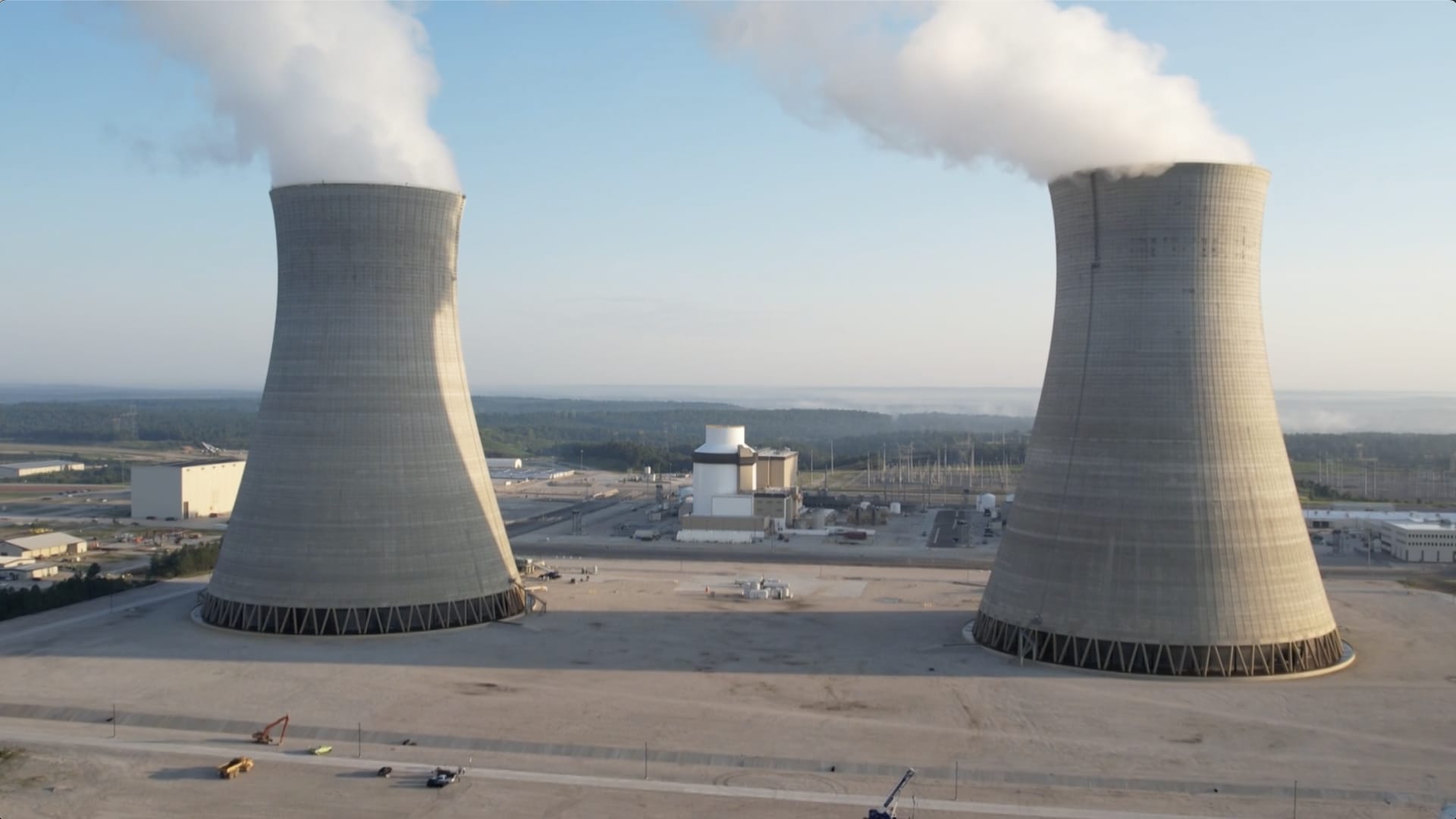
- Only two new reactors have commenced operation in the U.S. in the last 30 years, both at Plant Vogtle in Georgia. These units encountered severe financial setbacks, ultimately exceeding their budget by $18 billion and running seven years behind schedule.
- Concurrently, two other reactor projects in South Carolina were abandoned midway through construction in 2017 due to insurmountable cost overruns.
- The financial mismanagement associated with these projects ultimately led to the bankruptcy of Westinghouse, a long-standing titan in the nuclear industry.
These historical precedents demonstrate that the economic hurdles for new nuclear builds are significant, challenging the narrative that regulatory processes alone are responsible for the industry’s limited expansion.
Threats to Regulatory Independence and Investor Confidence
The proposed intervention in the NRC’s operations, particularly the aim to “get a whole different group of people” to regulate the industry, raises profound concerns about the commission’s independence. Allison Macfarlane, who chaired the NRC from 2012 to 2014, described the executive order as “unprecedented” and “dangerous.” She and other former officials warn that compromising the NRC’s autonomy could render the regulator vulnerable to undue influence from either industry stakeholders or the government itself. Such a scenario, they caution, significantly elevates the risk of a nuclear accident.
The 2011 Fukushima Daiichi nuclear accident in Japan serves as a stark reminder of the catastrophic consequences when safety regulators lack complete independence. The earthquake and subsequent tsunami exposed vulnerabilities that a truly independent and uncompromised regulatory body might have mitigated. For investors, any perceived weakening of safety standards or regulatory independence translates directly into heightened risk premiums. A nuclear incident, however remote, carries devastating financial implications, including massive cleanup costs, potential litigation, reputational damage across the entire energy sector, and a likely chilling effect on future investment in nuclear infrastructure.
Broader Energy Market Implications for Oil & Gas Investors
For investors primarily focused on oil and gas, these developments in the nuclear sector warrant close attention. The stability and predictability of the broader energy market directly impact fossil fuel demand and pricing. While nuclear energy competes with natural gas for baseload power generation, an unstable or riskier nuclear sector could paradoxically create both opportunities and new uncertainties:
- **Increased Reliance on Other Fuels:** If regulatory uncertainties or safety concerns deter private capital from new nuclear builds, or if public confidence in nuclear wanes, this could prolong or even increase reliance on natural gas for electricity generation, bolstering demand for conventional fuels.
- **Heightened Regulatory Scrutiny:** A precedent of political intervention in an independent energy regulator could potentially extend to other energy sectors, creating a less predictable environment for all large-scale energy infrastructure projects, including pipelines and LNG terminals.
- **Capital Allocation Challenges:** Investors weigh risk across the entire energy portfolio. If nuclear projects carry higher perceived regulatory or accident risk, capital might flow to other energy sources, or conversely, the overall cost of capital for large energy projects could increase due to a perceived systemic risk in the U.S. regulatory environment.
- **Energy Security and Decarbonization:** The push for nuclear is intertwined with goals for energy independence and decarbonization. Any setbacks in nuclear expansion could necessitate alternative strategies, potentially impacting the long-term outlook for various energy commodities and technologies.
The potential for a less independent NRC introduces an additional layer of complexity and risk into the U.S. energy market. While the administration seeks to accelerate nuclear power, the method of achieving this growth through potentially compromised regulatory oversight raises critical questions about long-term safety, public trust, and ultimately, the financial stability and attractiveness of large-scale energy investments across the board.
Conclusion: Balancing Ambition with Prudence
The United States clearly needs a robust and diverse energy portfolio to meet future demands, particularly given the rapid advancements in AI and the imperative for decarbonization. Nuclear power offers a compelling, emissions-free solution. However, the proposed strategy of rapidly expanding this sector by potentially undermining the independence of its primary safety regulator introduces significant and unnecessary risks. Former federal officials are sounding alarms that should resonate deeply within the investment community. Compromising the NRC’s ability to operate autonomously not only jeopardizes public health and safety but also introduces profound financial uncertainties, potentially deterring the very private capital needed to realize these ambitious nuclear goals. For investors across the energy spectrum, understanding these regulatory dynamics is crucial for accurately assessing risk and opportunity in an evolving market.