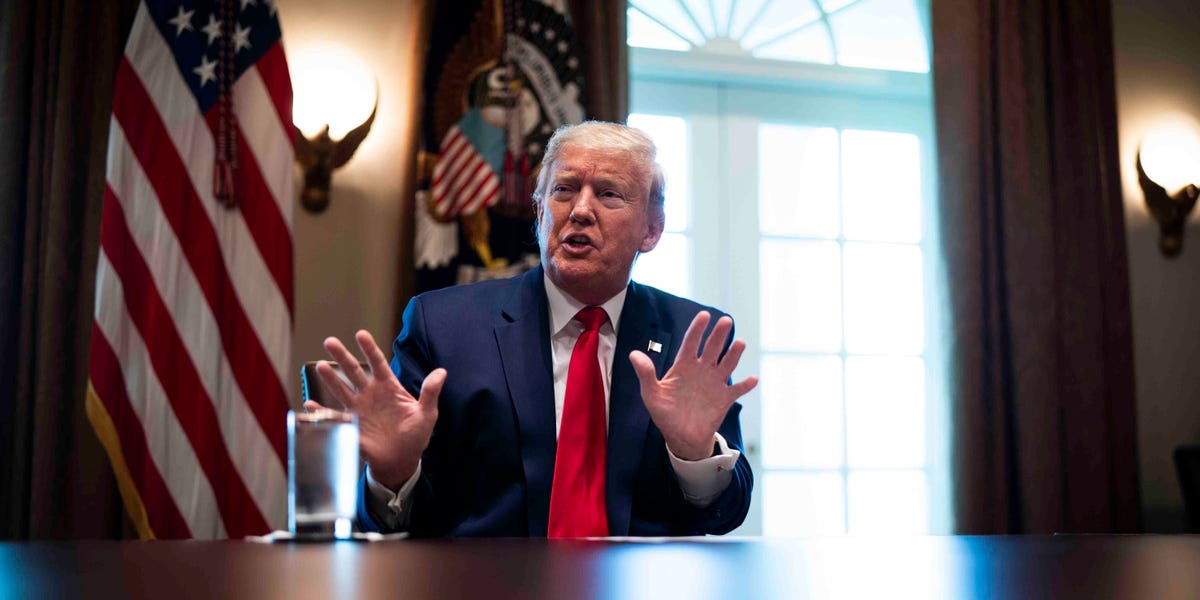
The geopolitical chessboard of the Middle East is once again set to host a pivotal player as Donald Trump embarks on his first bilateral overseas trip of what could be a second presidential term. Touching down in Saudi Arabia’s capital, Riyadh, on Tuesday, followed by visits to Qatar and the UAE over a three-day period, the former President’s agenda is packed with high-stakes dealmaking, aiming to rekindle the flow of petrodollars into American markets. However, the economic and geopolitical currents have shifted dramatically since his last visit, presenting a far more complex landscape for securing commitments.
The Investment Imperative: Rekindling Petrodollar Flows
At the heart of Trump’s diplomatic offensive is the Saudi-US Investment Forum in Riyadh, a critical platform where he hopes to translate ambitious pledges into tangible investments. Saudi Crown Prince Mohammed bin Salman (MBS) previously committed to injecting a staggering $600 billion into the U.S. economy over four years. Trump’s immediate goal is to accelerate the realization of these substantial financial promises, a move that would undoubtedly bolster American industries and potentially inject significant capital into key growth sectors.
The forum is expected to draw a formidable contingent of America’s business and technology titans, eager to engage with the Kingdom’s influential decision-makers. The speaker roster reads like a who’s who of global innovation and finance: Jensen Huang from Nvidia, Larry Fink of BlackRock, and Stephen Schwarzman from Blackstone are all slated to participate. Ruth Porat, Google’s chief investment officer, and David Sacks, the White House’s AI czar, further underscore the strategic focus on future-forward industries. Reports also suggest the potential attendance of tech luminaries such as Elon Musk, Sam Altman, and Mark Zuckerberg, signaling the broad appeal and strategic importance of these discussions.
Recalling his 2017 visit, Trump orchestrated agreements valued in the hundreds of billions of dollars. Yet, the expectation of replicating that level of free-flowing capital requires a keen understanding of the new motivations and economic realities confronting the Gulf’s financial powerhouses. Investors observing these interactions will be scrutinizing the nuances of these discussions, seeking signals on where these vast sums of capital might be directed.
Strategic Diversification: Beyond Crude Reliance
For nations like Saudi Arabia, the drive to ramp up overseas investments is rooted in a fundamental economic imperative: diversification. Reducing reliance on volatile oil revenues by taking strategic stakes in global companies and sectors deemed crucial for future development, such as artificial intelligence, biotechnology, and renewable energy, has become a cornerstone of their long-term economic visions. This strategic pivot is not merely about accumulating wealth but about building resilient, knowledge-based economies for the post-oil era.
The sheer scale of capital managed by the region’s sovereign wealth funds has historically facilitated these ambitious investment strategies. Saudi Arabia’s Public Investment Fund (PIF), for instance, boasts assets under management exceeding $900 billion, positioning it as a significant global capital provider. Its past investments, such as the $3.5 billion injection into Uber, highlight its willingness to back disruptive technologies and high-growth ventures in the West. For global investors, understanding the PIF’s evolving mandate and investment criteria is crucial for identifying potential co-investment opportunities or assessing competitive landscape shifts.
Shifting Sands: A Changed Global Landscape
The investment climate that prevailed during Trump’s high-profile 2017 trip was markedly different from today’s. That period predated the global pandemic that would trigger unprecedented monetary policy tightening worldwide. Furthermore, the devastating conflict in Gaza had not yet erupted, tearing apart regional stability and introducing new layers of geopolitical risk. These seismic shifts now critically influence the decision-making calculus of Middle Eastern nations regarding their international investments.
For financial journalists and investors alike, recognizing these changes is paramount. The global economic environment is characterized by higher interest rates, increased inflation pressures, and a more cautious approach to capital deployment in many Western markets. From a geopolitical standpoint, the ongoing tensions in the Middle East introduce an element of uncertainty that can influence sovereign wealth fund strategies, potentially prioritizing regional stability or domestic projects over aggressive overseas expansion.
Consider Saudi Arabia, a linchpin of the global energy market. While investment appetite undeniably persists, as affirmed by Saudi Investment Minister Khalid Al-Falih recently, the Kingdom is simultaneously navigating a challenging period of fluctuating oil prices. The significant dip in crude benchmarks to a four-year low this year places considerable pressure on state revenues, potentially impacting the liquidity available for large-scale overseas investments. This dynamic suggests that while commitments may be reiterated, the pace and terms of capital deployment could be subject to more stringent review than in previous years.
Navigating the Nuances of Investment Flows
The complexities of the current environment mean that while the Gulf states are eager to diversify, their investment decisions are now filtered through a lens of heightened fiscal prudence and geopolitical consideration. Lower oil prices reduce the windfall profits that fueled past spending sprees, compelling these nations to be more selective and demand greater strategic alignment or higher returns on their capital. For American companies seeking Gulf investments, this translates into a need for more compelling proposals, demonstrating clear value propositions and long-term growth potential.
Oil and gas investors, in particular, must monitor these developments closely. The relationship between the U.S. and key Middle Eastern energy producers directly influences global energy policy, supply dynamics, and crude price stability. A strengthening of economic ties through investment could lead to greater energy security cooperation, while any friction might introduce volatility into the markets. The strategic allocation of petrodollars, whether domestically or internationally, will have ripple effects across the energy complex, affecting everything from upstream exploration to downstream refining projects.
Outlook for Oil & Gas Investors
As Trump engages with the Middle East, the implications for the global oil and gas sector are multifaceted. The push for diversification in Gulf economies, while long-term positive for stability, means that new investment opportunities might emerge in non-traditional energy sectors like renewables, hydrogen, and carbon capture. Conversely, any perceived pressure on oil-producing nations to increase output or stabilize prices could directly impact market sentiment and trading strategies.
Investors should keenly watch for concrete deal announcements, particularly those in critical technology sectors, as these signal the future direction of capital flows. The speed at which MBS’s $600 billion pledge materializes will be a key indicator of the current investment appetite. Beyond the headline figures, the specific industries targeted for investment will reveal strategic priorities that could either complement or compete with existing investment themes in the energy space. The outcome of this trip will not only shape U.S.-Middle East relations but also send crucial signals across global financial markets, impacting investment decisions for years to come.