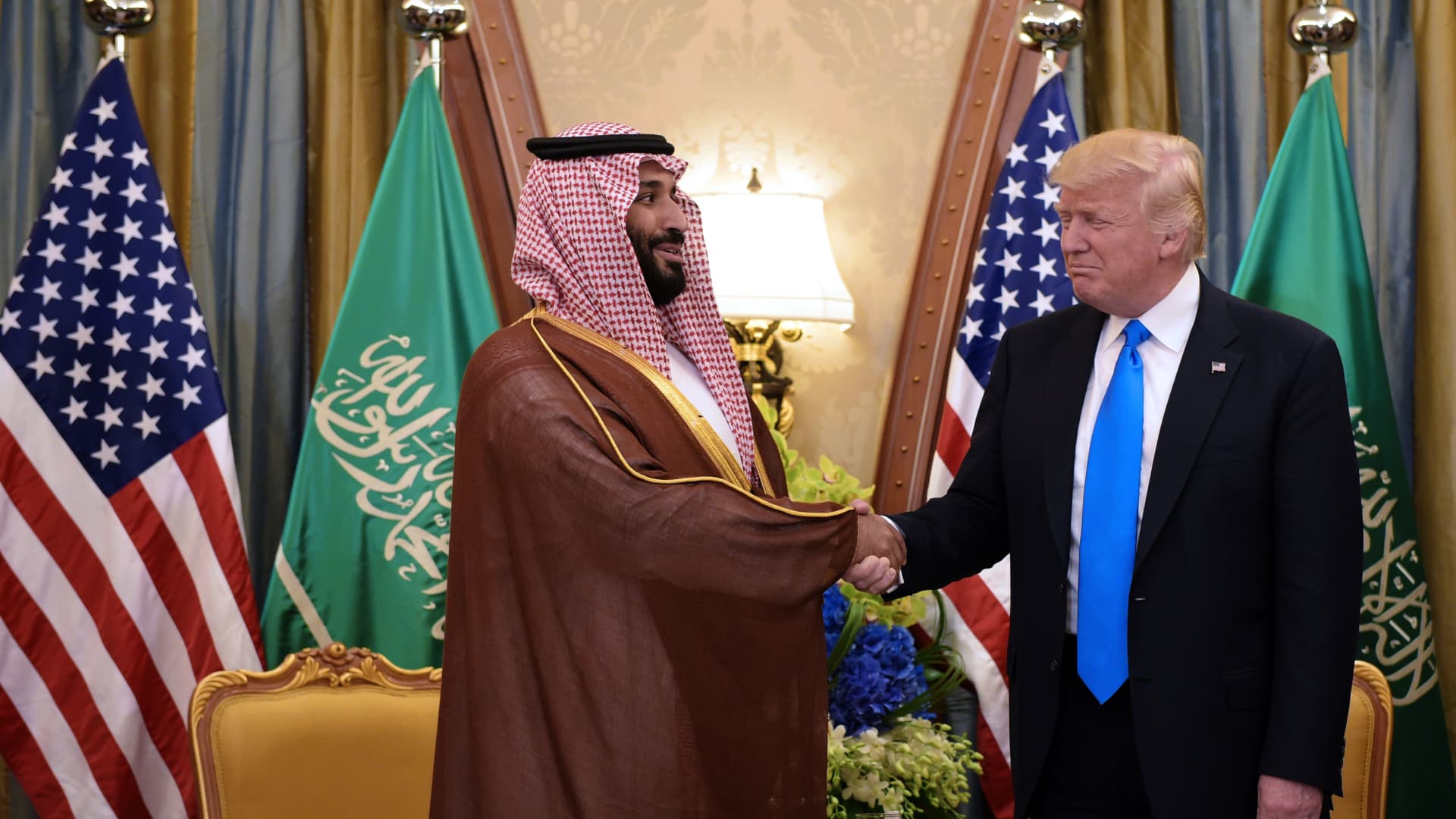
The geopolitical chessboard of the Middle East is once again at the forefront of global attention as former U.S. President Donald Trump prepares for a critical diplomatic tour through the Persian Gulf region, commencing May 13. With scheduled stops in Saudi Arabia, Qatar, and the United Arab Emirates, this visit is poised to significantly impact global energy markets, investment flows, and regional stability, warranting close scrutiny from investors and energy sector stakeholders.
High Stakes Amidst Geopolitical Volatility
This upcoming trip unfolds against a backdrop of intense geopolitical tensions, most notably the ongoing conflict between Israel and Hamas in Gaza, and the lingering shadow of the Russia-Ukraine war. The agenda is packed, encompassing sensitive ceasefire negotiations for the Israel-Gaza conflict, critical discussions on global oil supply, new trade and investment initiatives, and potential policy shifts concerning advanced semiconductor exports and nuclear programs. For oil market participants, the potential for any development—positive or negative—to influence regional stability and, by extension, crude supply, is paramount.
Monica Malik, chief economist at Abu Dhabi Commercial Bank, underscored the expectation of “a lot of announcements” across “a broad spectrum of areas.” While she noted the potential removal of Trump’s 10% tariffs on aluminum and steel could be a symbolic positive for Gulf states, given their metal exports to the U.S., she clarified that these exports constitute a relatively small percentage of their respective GDPs. The true market impact for energy investors lies in the broader strategic realignments and investment commitments that could emerge.
Deepening Ties and Investment Horizons
Trump’s well-documented rapport with key Gulf Arab nations, particularly the UAE and Saudi Arabia, adds another layer of intrigue. His initial overseas journey during his first presidential term notably began in Saudi Arabia, a kingdom now playing a central role in potential negotiations to de-escalate the Russia-Ukraine conflict. This historical context suggests that existing personal and business relationships, which include various ventures and planned real estate projects involving his children, could facilitate robust bilateral discussions. While critics often raise concerns over potential conflicts of interest, those close to Trump consistently dismiss such accusations, emphasizing the focus on national and economic interests.
The visit is attracting a formidable contingent of Wall Street and Silicon Valley heavyweights. A Saudi-U.S. investment forum, slated for May 13 in Riyadh, will host an impressive roster of leaders including BlackRock CEO Larry Fink, Palantir CEO Alex Karp, and chief executives from financial and tech giants such as Citigroup, IBM, Qualcomm, Alphabet, and Franklin Templeton. White House AI and crypto czar David Sacks will also be in attendance. This gathering signals a powerful push for significant investment deals, extending beyond traditional energy sectors.
Malik further projected that “a lot of investment deals” would be announced, emphasizing a two-way street. The UAE has already demonstrated proactive investment in the U.S. across sectors like artificial intelligence, energy, and aluminum. Conversely, the trip is expected to unlock substantial opportunities for American companies to expand their investments within the Gulf states, particularly as these nations aggressively pursue economic diversification.
The Oil Market Imperative
For investors focused on oil and gas, the implications for global crude supply stability are arguably the most critical aspect of this visit. Saudi Arabia, as the de facto leader of OPEC+ and the world’s largest crude exporter, holds immense sway over market dynamics. Any discussions pertaining to production levels, capacity expansion, or strategies to ensure market equilibrium will be closely monitored. The stability of the Middle East directly correlates with the reliability of global oil flows, and any progress on Israel-Gaza ceasefire talks could, in theory, alleviate geopolitical risk premiums currently factored into crude prices.
Qatar’s significant role in mediating between Israel and Hamas for ceasefires and hostage releases further underscores the region’s geopolitical sensitivity. While primarily known for its liquefied natural gas (LNG) exports, Qatar’s diplomatic influence contributes to regional stability, which indirectly supports the broader energy landscape. Any resolution or de-escalation of regional conflicts could reduce market volatility, offering a clearer outlook for long-term energy investment and pricing.
Future Energy and Technological Prowess
Beyond immediate energy supply, the visit underscores the Gulf states’ ambitious pivot towards advanced technology and economic diversification. Both Saudi Arabia and the UAE have poured substantial capital into AI infrastructure, with the explicit goal of establishing themselves as global hubs for cutting-edge technology. This strategic vision positions the future of U.S. semiconductor exports, particularly the most advanced variants, as a critical discussion point for Gulf leaders. Access to these technologies is indispensable for realizing their AI ambitions, creating a unique intersection of energy wealth, technological aspiration, and international trade policy.
The convergence of Wall Street and Silicon Valley titans with Gulf leadership signals a broader shift: the region is not merely a source of hydrocarbons but a burgeoning destination for high-tech investment and innovation. For energy investors, understanding this diversification strategy is key, as it influences long-term capital allocation within the region and the potential for new energy technologies to emerge from these partnerships.
Conclusion for Investors
President Trump’s impending tour of the Gulf promises to be a pivotal event, with far-reaching implications for global oil markets, international investment, and the delicate balance of Middle Eastern geopolitics. Investors should brace for a flurry of announcements impacting trade, technology, and, crucially, the trajectory of oil supply and prices. The interwoven narratives of energy security, technological advancement, and regional stability will define the outcomes of these high-level discussions, making vigilant observation essential for navigating the evolving landscape of the global energy sector.