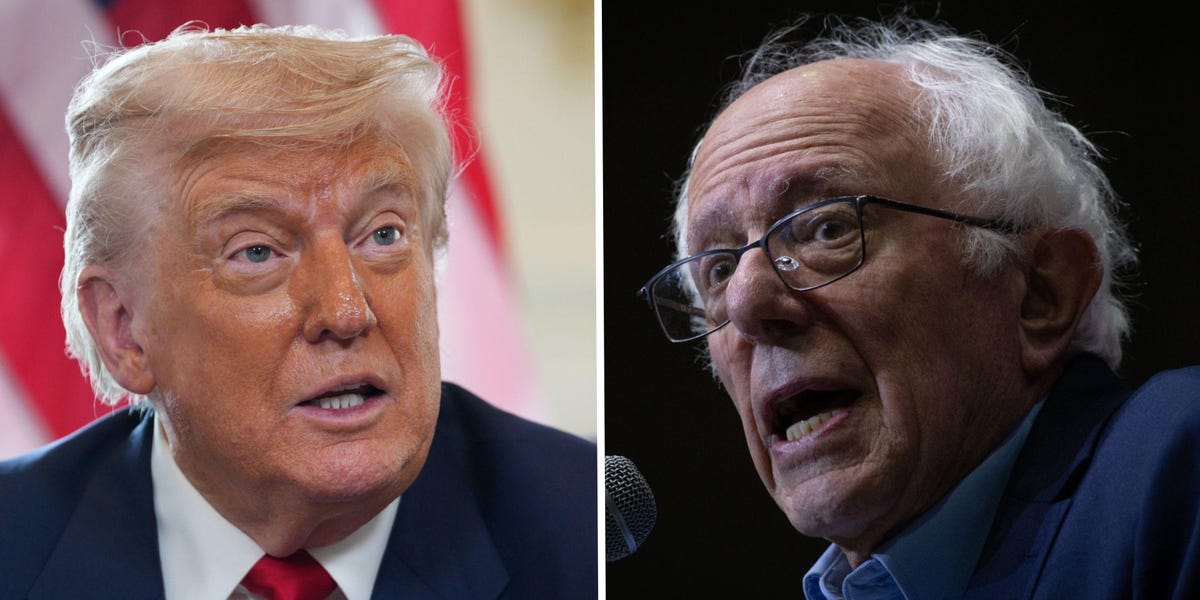
The recent announcement of the US government’s plan to acquire a significant stake in Intel has sent ripples through the political landscape, drawing unexpected praise from progressive circles despite challenging longstanding free-market doctrines. While seemingly a tech-sector maneuver, this move signals a broader willingness for direct government intervention in industries deemed strategic for national interests. For oil and gas investors, this shift in industrial policy warrants close attention, as the energy sector, fundamental to national security and economic stability, could see similar strategic considerations influence future policy and market dynamics. This analysis delves into how this evolving approach to industrial policy, coupled with current market realities and upcoming events, shapes the investment outlook for oil and gas.
The New Industrial Policy: Implications for Energy Security
The government’s decision to take a roughly 9.9% stake in Intel, despite conservative pushback, reflects a growing consensus that critical industries may require direct state support or intervention to secure national advantage and supply chain resilience. This isn’t just about semiconductors; it’s a template that could easily extend to the energy sector. Oil and gas, as the lifeblood of the economy and a cornerstone of national security, is inherently strategic. Investors should consider how this new industrial policy might manifest in energy. We could see increased government support for domestic exploration and production, ensuring energy independence amidst geopolitical volatility. This might include direct investments in infrastructure, refining capacity, or even specific energy companies deemed vital. Such interventions, while potentially distorting free markets, could provide a strong floor for domestic energy assets, prioritizing secure supply over pure market efficiency. The “America Last” rhetoric from the administration’s spokesperson, Kush Desai, underscores a commitment to rectifying perceived imbalances, which for energy, could mean bolstering domestic capabilities against foreign dependencies.
Market Realities and Investor Concerns Amidst Policy Shifts
Against this backdrop of potential policy shifts, the oil market continues its volatile dance. As of today, Brent Crude trades at $98.03, down 1.37% on the day, with WTI Crude similarly softening to $89.76. Gasoline prices also reflect this slight easing, currently at $3.08. This current snapshot, however, is part of a more significant recent trend: Brent Crude has seen a notable -$14 or 12.4% drop from its $112.57 peak just two weeks ago. This rapid decline underscores the fragility of market sentiment and the myriad factors influencing crude prices, from global demand outlooks to geopolitical tensions. Our proprietary reader intent data reveals a consistent focus among investors on understanding current Brent crude prices and what determines OPEC+ production quotas. This highlights investor anxiety around both the immediate price environment and the supply-side policies that heavily influence it. The prospect of government intervention in energy, while potentially stabilizing domestic supply, also adds a layer of uncertainty regarding future market structures and regulatory environments, which investors must price into their valuations.
Navigating Upcoming Catalysts: OPEC+ and Supply Dynamics
With market sentiment currently soft, the upcoming calendar events hold significant weight for oil and gas investors. The most immediate and impactful are the OPEC+ meetings: the Joint Ministerial Monitoring Committee (JMMC) on April 18th, followed by the Full Ministerial meeting on April 20th. These gatherings will provide crucial insights into the cartel’s production strategy for the coming months. Given that our readers are actively inquiring about OPEC+ production quotas, the decisions made during these meetings will directly address a key concern, determining the global supply trajectory. Any indications of altered output levels, or even a nuanced shift in rhetoric, could trigger substantial market movements. Beyond OPEC+, the Baker Hughes Rig Count reports on April 17th and April 24th will offer a vital pulse check on North American drilling activity, indicating potential future supply from non-OPEC sources. Furthermore, the weekly API and EIA inventory reports on April 21st, 22nd, 28th, and 29th will provide granular data on US crude stockpiles and demand indicators, offering further clarity on the domestic supply-demand balance. These events collectively represent critical inflection points for assessing the near-term investment landscape in oil and gas.
Strategic Investing in an Era of Intervention
The convergence of a shifting US industrial policy, as exemplified by the Intel deal, with dynamic global oil markets and critical upcoming supply decisions, creates a complex environment for energy investors. The potential for increased government engagement in strategic energy sectors could introduce both opportunities and risks. On one hand, direct support for domestic production or infrastructure could bolster the outlook for certain segments of the US oil and gas industry, providing a degree of stability and national priority that might otherwise be absent. On the other, such interventions could lead to market distortions, increased regulatory oversight, or even the perception of nationalization risk, influencing capital allocation and long-term investment strategies. Investors must adapt their frameworks to account for a future where national interest and industrial policy potentially override purely free-market dynamics in the energy sector. Focusing on companies with strong domestic footprints, robust balance sheets, and adaptability to evolving policy landscapes will be paramount in navigating this new era of strategic energy investment.


