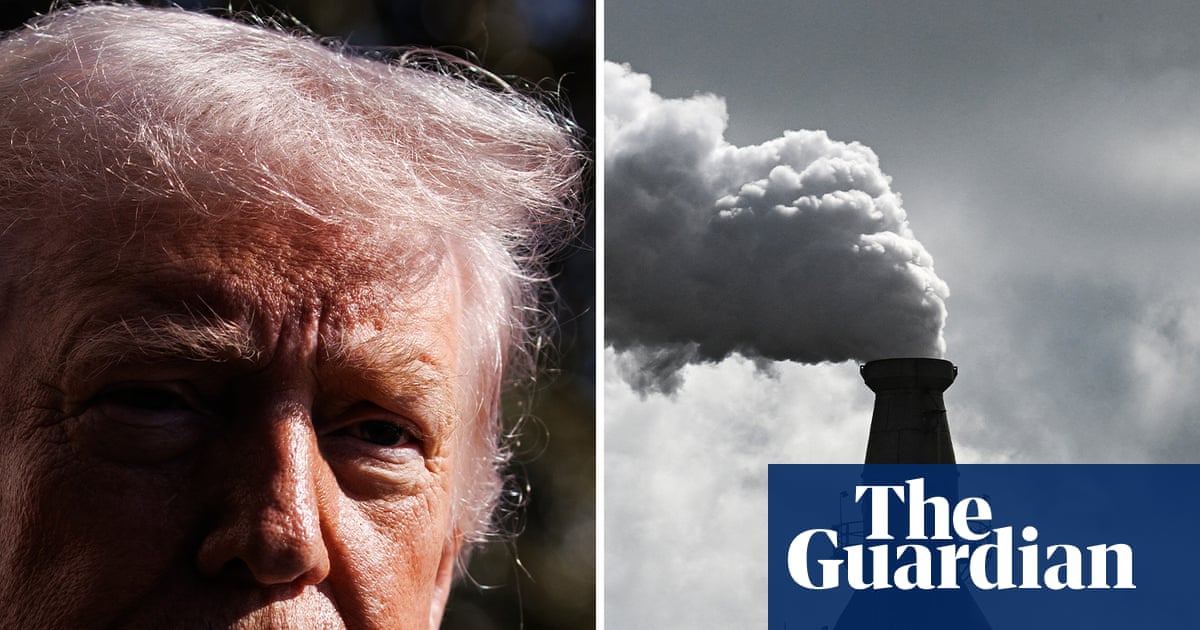
A recent policy decision, seemingly designed to bolster the fossil fuel sector, may instead expose it to a wave of costly litigation, fundamentally altering the risk profile for investors in major oil and gas companies. The Trump administration’s Environmental Protection Agency (EPA) recently finalized a rule revoking the 2009 “endangerment finding,” a determination that established greenhouse gases as a threat to public health and welfare. While ostensibly aimed at lifting federal limits on emissions, this move could paradoxically dismantle a critical legal shield the industry has long relied upon against a growing number of climate-focused lawsuits and “climate superfund” policies across the United States. For investors, understanding this evolving legal landscape is now as crucial as monitoring traditional supply-demand fundamentals.
The Unraveling Legal Shield for Big Oil
Earlier this month, the EPA’s decision to revoke the “endangerment finding” sent ripples through environmental legal circles. This 2009 determination was foundational, providing the basis for federal regulation of greenhouse gases under the Clean Air Act. For years, fossil fuel companies and their allies have leveraged the federal government’s role, arguing that state and local climate lawsuits were preempted by the comprehensive federal regulatory framework already in place. The argument was straightforward: if the federal government, through the EPA, was regulating emissions, then state-level attempts to do so, or to seek damages based on emissions, should be dismissed.
However, legal experts now suggest this very defense is severely weakened. If the federal government no longer officially determines greenhouse gases to be a threat to public health and welfare, and consequently rolls back federal limits, the argument for federal preemption becomes increasingly tenuous. As one environmental law expert noted, it becomes difficult for oil companies to “with a straight face” continue to make that argument. This shift is particularly significant given that since 2024, states like Vermont and New York have already passed “climate superfund” policies compelling oil majors to contribute to the costs of climate disasters. Furthermore, numerous US states and local governments have active climate lawsuits against big oil, many of which have previously faced dismissal appeals based on the preemption argument. The future of this legal shield will soon face a major test as the Supreme Court considers a fossil fuel industry petition to quash a climate lawsuit filed by a Colorado city.
Market Dynamics Amidst Policy Uncertainty
Against this backdrop of legal uncertainty, energy markets continue to exhibit volatility, underscoring the complex interplay of geopolitical events, demand forecasts, and increasingly, regulatory and legal shifts that impact long-term operational costs and investor sentiment. As of today, Brent Crude trades at $93.86, showing a 3.79% gain on the day, while WTI Crude stands at $90.22, up 3.2%. Gasoline prices have also climbed, reaching $3.13 per gallon, a 3.29% increase from earlier today.
This daily uplift, however, comes after a challenging period for crude. Brent crude, for instance, has shed nearly 20% over the last two weeks, falling from $118.35 on March 31st to $94.86 just yesterday. Such significant swings highlight the market’s sensitivity to various inputs. While these recent price movements are largely driven by supply-demand fundamentals and geopolitical tensions, the specter of increased legal exposure for major players could add another layer of risk, potentially influencing long-term valuations and perceived stability within the sector. Investors must now consider how potential multi-billion dollar liabilities from climate litigation might factor into future earnings reports and capital allocation strategies, creating additional downside pressure on stock performance even when commodity prices are otherwise favorable.
Investor Scrutiny and the Rising Tide of Accountability
Our proprietary reader intent data reveals that investors are keenly asking about the future trajectory of oil prices and the stability of their holdings, with questions like “what do you predict the price of oil per barrel will be by end of 2026?” frequently surfacing. The evolving legal landscape adds a significant layer of uncertainty to these long-term forecasts. If the industry’s primary defense against climate lawsuits is indeed compromised, the financial implications for major oil and gas companies could be substantial, affecting future earnings, capital expenditure, and ultimately, dividend payouts.
Specifically, public nuisance claims, which allege that companies harmed communities’ health and safety and should fund abatement efforts, stand to benefit significantly from the federal policy shift. Legal experts suggest that with the federal government no longer regulating greenhouse gases under the previous framework, no federal law should be read to preclude other efforts to control them. This could empower states and municipalities to pursue damages more aggressively. While oil companies may continue to argue that suits framed around deceptive messaging or marketing (rather than direct emissions) are still fundamentally about pollution and thus federally preempted, the overall weakening of the preemption argument casts a shadow over all climate accountability cases. This translates directly into increased risk for investors, demanding a re-evaluation of valuation models that may not fully account for these emerging legal liabilities.
Upcoming Catalysts and Forward-Looking Analysis
Looking ahead, the immediate horizon presents several key events that will shape market sentiment and provide fresh data for investment strategies, all while the legal battleground continues to evolve. Tomorrow, April 21st, the OPEC+ JMMC Meeting is scheduled, a critical gathering that could signal shifts in production policy and impact global supply expectations. Later this week, on April 22nd, the EIA Weekly Petroleum Status Report will offer vital insights into US crude inventories and demand, followed by the Baker Hughes Rig Count on April 24th, providing a crucial gauge of drilling activity and future production capacity.
As we move into early May, the EIA’s Short-Term Energy Outlook on May 2nd will be particularly crucial for understanding projected supply-demand balances and price forecasts through the remainder of 2026, offering direct context for investor questions about year-end price levels. Complementary to this, the API Weekly Crude Inventory reports on April 28th and May 5th will continue to provide granular data on stock levels. While these events primarily influence supply-demand fundamentals, the backdrop of increasing legal risk means investors must weigh both traditional market drivers and the potential for new, significant liabilities that could pressure company balance sheets irrespective of robust commodity prices. The confluence of these factors necessitates a dynamic and forward-thinking investment approach.
Strategic Positioning in a Shifting Environment
The Trump administration’s climate rollback, while seemingly a boon for the fossil fuel industry, appears poised to create a complex and potentially costly legal quagmire. The revocation of the “endangerment finding” could dismantle a key defense strategy against an expanding front of climate litigation, exposing oil majors to significant financial liabilities from states and municipalities. For oil and gas investors, this underscores the importance of a nuanced approach, looking beyond simple supply-demand dynamics to assess the long-term legal and reputational risks embedded in their portfolios.
Companies with robust ESG strategies, diversified energy portfolios, or exceptionally strong balance sheets may be better positioned to weather these emerging legal storms. As the Supreme Court weighs critical petitions and new “climate superfund” policies take hold, investors must recognize that the regulatory environment is not static. A policy that once offered a shield may now leave the industry more exposed, demanding a re-evaluation of long-term investment theses in the sector.


