The investment landscape for Arctic energy development has dramatically shifted following a significant regulatory overhaul by the Trump administration. In a move poised to unlock substantial resource potential, the Department of the Interior has formally withdrawn three key policy directives that previously imposed severe restrictions on oil and gas exploration within Alaska’s vast 23-million-acre National Petroleum Reserve (NPR-A). This decisive action effectively clears the path for a new era of drilling activity, directly reversing the prior administration’s efforts to cordon off approximately 10.6 million acres from future leasing opportunities.
At its core, this policy reset represents a fundamental reorientation of power, shifting decision-making authority away from federal regulators and environmental planners and firmly back into the hands of the energy industry. The Interior Department justified the rescission of these policies—two enacted in January and one in July of 2024—by asserting they lacked proper statutory basis, disregarded local community input, and fundamentally undermined the NPR-A’s original congressional mandate as a critical domestic energy reserve established nearly a century ago. This strategic pivot signals a renewed commitment to resource utilization over preservation in this critical region.
Unleashing Strategic Reserves: A New Era for NPR-A
Interior Secretary Doug Burgum characterized the previous approach as prioritizing “obstruction over production,” emphasizing that the new directives align the Bureau of Land Management’s (BLM) policies with the reserve’s foundational mission. This regulatory rollback is not an isolated event but a direct fulfillment of Executive Order 14153 and Secretary’s Order 3422, both cornerstones of the Trump administration’s broader initiative to “Unleash Alaska’s Extraordinary Resource Potential.” For investors, this translates into a more predictable and supportive regulatory environment for long-term project planning and capital deployment in one of the world’s most promising, yet historically challenging, frontier regions.
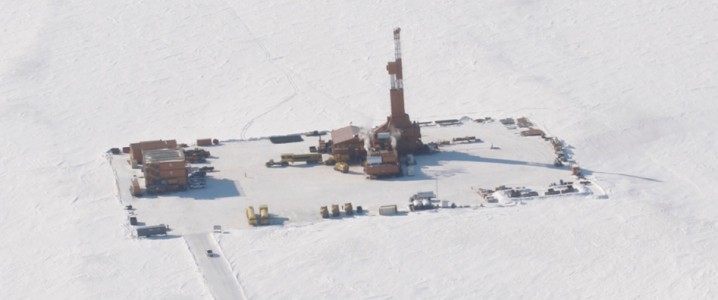
The immediate implications of this policy reset are substantial for major operators already active or planning expansion in Alaska. ConocoPhillips, for instance, which is aggressively advancing its colossal 600-million-barrel Willow project—slated to commence production in 2029—stands to benefit significantly from this renewed commitment to development. The administration’s firm stance sends an unmistakable signal to other key players in the region, including Santos Ltd., Repsol, and Armstrong Oil & Gas, that Alaska is unequivocally open for business. This clarity in policy reduces investment risk and enhances the attractiveness of large-scale capital projects, potentially drawing new entrants to the Alaskan energy sector.
Beyond Oil: Envisioning a Comprehensive Arctic Energy Hub
The strategic vision underpinning these actions extends far beyond merely boosting crude oil output in the Arctic. The Trump administration is meticulously laying the groundwork for a much broader resource play, one that could potentially double the throughput capacity of the vital Trans-Alaska Pipeline System (TAPS). Such an increase would not only enhance crude oil transportation efficiency but also significantly improve the economics for producers operating on the North Slope. Moreover, this comprehensive approach seeks to establish the foundational infrastructure for the long-sought-after Alaska LNG export project, a venture with the potential to monetize vast stranded natural gas reserves and position Alaska as a global supplier of liquefied natural gas.
Recent high-level engagements, including visits by administration officials to Prudhoe Bay with Asian trade representatives, underscore an even grander ambition: securing critical foreign investment to finance the monumental new infrastructure required for these expansive energy initiatives. Monetizing Alaska’s substantial natural gas resources through LNG exports represents a multi-billion-dollar opportunity, promising to generate significant economic activity and long-term revenue streams for the state. For global energy markets, this could mean a diversification of supply and a strengthening of energy security for key trading partners.
While environmental groups are predictably vocal in their opposition and have already begun to voice significant alarms over this regulatory rollback, the White House views these developments through an entirely different lens. They see not just environmental concerns, but immense economic opportunity—measured in billions of barrels of oil, quadrillions of Btu’s of natural gas, and billions of dollars in long-delayed infrastructure projects. The message from the administration is clear: the focus is on robust production and economic realization, and they are not waiting for universal consensus to advance their energy dominance agenda.
For discerning investors tracking the global energy markets, Alaska is re-emerging as a compelling frontier. The latest policy actions signal a determined federal push to maximize the region’s hydrocarbon potential, providing a strong tailwind for companies willing to navigate the unique operational challenges of the Arctic. The commitment to streamlining regulatory processes and actively seeking foreign capital for critical infrastructure suggests a sustained, government-backed effort to transform Alaska into a powerhouse of domestic and international energy supply, offering significant upside for those positioned to capitalize on this renewed strategic focus.