The global energy landscape is undergoing significant shifts, and Alberta, Canada’s energy heartland, stands at a pivotal juncture. Recent insights from the Executive Conference of the Global Petroleum Show underscored the province’s vast resource potential and the critical need for robust infrastructure and supportive federal policies to unlock its full value for international markets and investors. Premier Danielle Smith delivered a clear message: Alberta possesses the energy the world demands, but its ability to deliver hinges on a more pragmatic approach from Ottawa.
Alberta’s Unrivaled Resource Wealth: A Foundation for Investment
Alberta’s energy endowments are truly staggering, forming a bedrock for long-term investment in the Canadian energy sector. Premier Smith highlighted that Canada’s proven oil reserves stand at an impressive 171 billion barrels (Bbbl), with a dominant 166.3 Bbbl concentrated within Alberta’s borders. This immense resource base provides unparalleled supply security and long-term production visibility for energy companies operating in the region. Furthermore, the province’s natural gas reserves are equally robust, with Canadian reserves in place estimated at 1,368 trillion cubic feet (Tcf). Of this, Alberta alone accounts for 130 Tcf of proved and recoverable gas, signaling a strong future for natural gas exploration and production.
The province’s operational prowess is evident in its record-breaking output. Alberta’s oil production reached an all-time high in May 2025, hitting 4.3 million barrels per day (MMbpd). This consistent growth trajectory, despite various market fluctuations and policy challenges, showcases the resilience and efficiency of Alberta’s energy producers. For investors, these figures represent a stable and expanding production base, essential for evaluating the long-term viability and profitability of energy ventures in the region.
Meeting Global Energy Demand: The Strategic Role of Canadian Natural Gas
In a world grappling with energy security concerns and the imperative of transitioning away from higher-emitting fuels, Alberta’s vast natural gas resources offer a compelling solution. Premier Smith emphasized the global need for abundant and affordable energy, a demand Alberta is uniquely positioned to fulfill. The strategy is clear: significantly increase the movement and export of natural gas to international markets. This not only addresses burgeoning energy demand but also plays a crucial role in global decarbonization efforts.
A recent study by the Fraser Institute starkly illustrated this potential, finding that by merely doubling Canada’s liquefied natural gas (LNG) production and directing these additional supplies to Asia, global emissions could be reduced by an astounding 630 million tonnes annually. This highlights the dual benefit of Canadian natural gas exports: providing reliable energy to growing economies while simultaneously facilitating a cleaner energy transition globally by displacing higher-carbon fuels like coal. For environmentally conscious investors, this presents a compelling narrative for sustainable growth within the energy sector.
LNG Canada: Opening New Market Horizons
The long-anticipated realization of Canada’s first major LNG export terminal, LNG Canada, is on the cusp of completion, marking a monumental step for the nation’s energy export capabilities. Premier Smith indicated that the facility is on track to commence operations “very, very soon,” with expectations for the first shipment to the world as early as July. This milestone event will transform Canada into a significant global LNG supplier.
Once fully operational, LNG Canada will boast a substantial capacity of 14 million tonnes per year. This output represents approximately 10% of Canada’s total marketable natural gas production, fundamentally altering market dynamics and opening up direct access to premium Asian markets. The strategic importance of this terminal cannot be overstated; it provides a vital egress point for Alberta’s abundant natural gas, previously constrained by limited pipeline infrastructure, and diversifies Canada’s energy export portfolio beyond traditional oil markets. Investors should closely monitor the ramp-up of this facility, as it will provide tangible evidence of Canada’s evolving role in the global energy trade.
The Indispensable Role of Pipeline Infrastructure
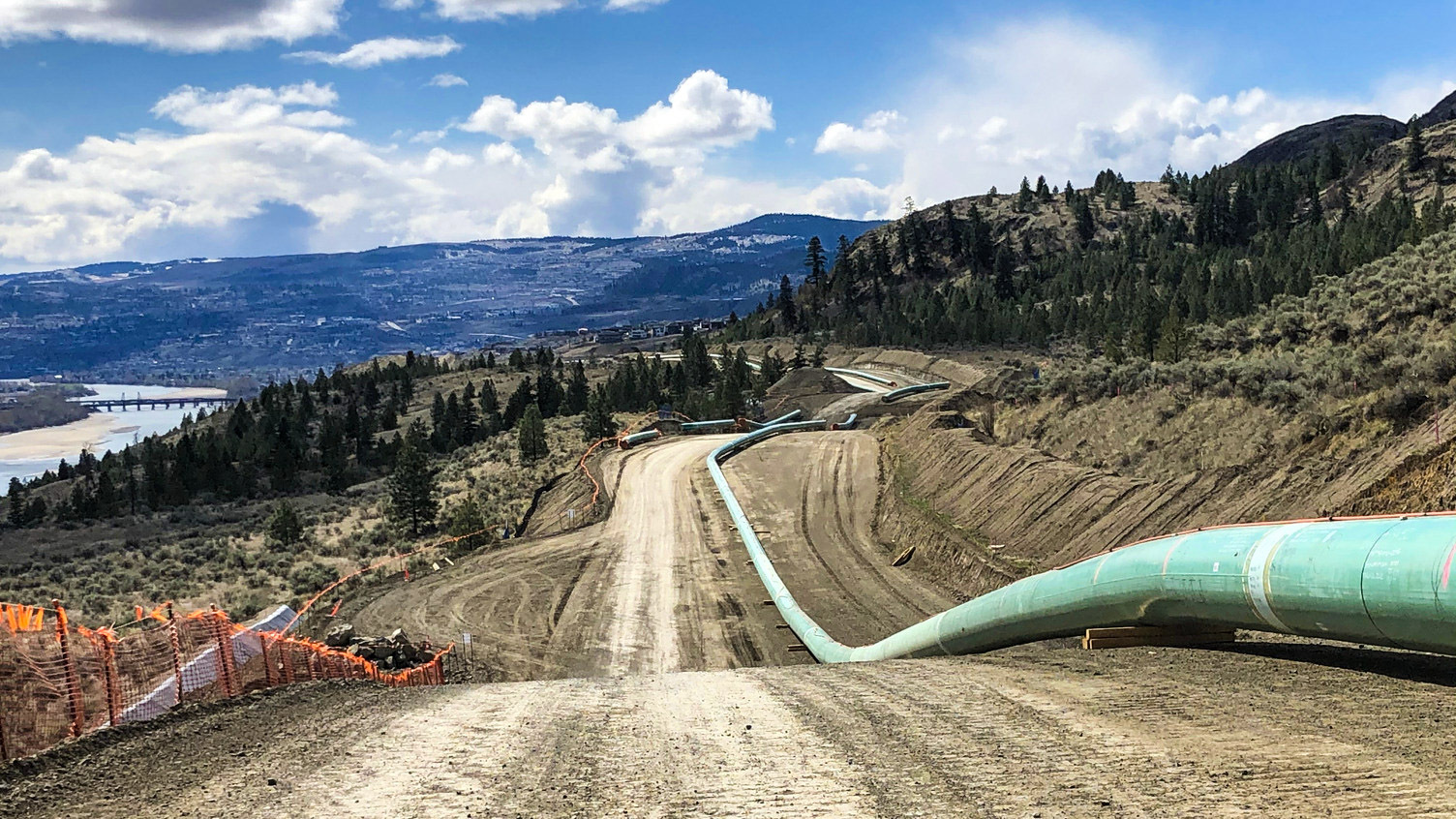
Despite Canada’s immense energy potential and the imminent launch of LNG export capabilities, Premier Smith articulated a critical bottleneck: the urgent need for significantly more energy infrastructure. While LNG Canada is a crucial first step, it is not enough to fully capitalize on Alberta’s vast resources and meet surging international demand. The province needs enhanced egress, and crucially, the federal government’s unwavering support for expanding pipeline networks with a sense of national urgency.
The call for new infrastructure extends beyond existing routes. An “ideal solution,” as proposed by Premier Smith, would involve the development of a new transportation and energy corridor extending northwest to the port of Prince Rupert in British Columbia. This strategic corridor would serve as Canada’s definitive gateway to Asia, unlocking tremendous opportunities not only for fuel exports but also for food and critical minerals. Such a project would alleviate current transportation constraints, bolster energy security for allies, and solidify Canada’s position as a reliable global energy supplier. The completion of projects like the Trans Mountain Expansion, though not explicitly detailed in Smith’s remarks, represents this broader imperative for diversified and expanded market access, directly impacting investor confidence in Canadian energy projects.
Premier Smith’s conviction regarding the necessity of pipeline projects to move Alberta’s energy resonates across provincial lines. Ontario Premier Doug Ford recently voiced similar sentiments, advocating for pipelines extending east, west, and north. This cross-provincial alignment on energy infrastructure development signals a growing national consensus on the strategic importance of these projects, offering a more stable political environment for future investment.
Navigating the Federal Policy Landscape
A recurring theme in Premier Smith’s address was the imperative for the federal government to adopt a more reasonable and supportive stance towards the oil and gas sector. While acknowledging the new federal administration under Prime Minister Mark Carney, Smith clearly stated that this new regime must demonstrate a tangible shift away from the perceived energy policies of the former administration, led by Justin Trudeau, which were often seen as restrictive and detrimental to energy development.
For investors, policy certainty and a clear regulatory framework are paramount. The premier’s remarks underscore the ongoing tension between provincial energy ambitions and federal environmental objectives. A more collaborative and supportive federal approach to energy infrastructure, regulatory approvals, and investment incentives would significantly de-risk projects and attract greater capital into Alberta’s energy sector. The expectation is for a federal government that recognizes energy as a strategic asset, essential for both national prosperity and global energy security, rather than an industry to be phased out prematurely.
Investment Outlook: Seizing the Opportunity
Alberta’s energy sector presents a compelling investment case, characterized by vast reserves, record production, and strategic initiatives like LNG Canada. The province is primed to play a much larger role in global energy markets, particularly in providing cleaner-burning natural gas to meet rising demand. However, realizing this full potential necessitates a concerted effort to build critical pipeline infrastructure and secure strong, consistent support from the federal government.
Investors seeking exposure to a stable, resource-rich energy jurisdiction with significant upside potential should closely monitor policy developments and infrastructure progress in Canada. The coming months, particularly with the operational launch of LNG Canada, will offer tangible indicators of Canada’s commitment to becoming a more robust and reliable energy exporter. The long-term outlook for Alberta’s energy sector remains robust, provided the necessary political will and infrastructure development align to unlock its immense value.