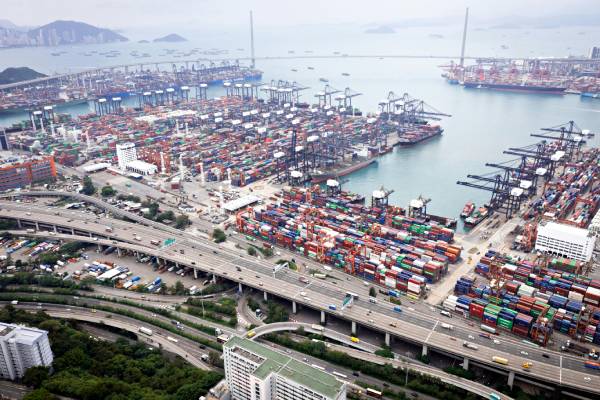
The intricate web of global commerce is currently undergoing a profound transformation, driven by shifting trade policies, evolving transportation regulations, and persistent international shipping disruptions. For investors closely monitoring the oil and gas sector, understanding these changes is paramount. The operational landscape for energy companies, from upstream exploration and production to midstream logistics and downstream refining, is being redefined by these macroeconomic forces. The financial implications for energy sector stakeholders are significant, impacting everything from project costs and supply chain resilience to market competitiveness and ultimate profitability.
Navigating Tariff Tides and Trade Flows
Recent developments, such as temporary tariff reductions between major global economic powers, offer a brief respite but fail to address the underlying structural challenges. While a short-term easing might prompt a momentary surge in trade volumes as companies capitalize on reduced duties, this intermittent policy approach creates pervasive volatility across international trade lanes. For the oil and gas industry, this “on-again, off-again” tariff environment translates directly into unpredictable costs for critical imports. Specialized drilling equipment, high-grade steel for pipelines, catalysts for refineries, and advanced control systems often originate from a global network of suppliers. Increased import duties or the uncertainty surrounding them can inflate project expenditures, erode profit margins, and ultimately contribute to a higher cost of doing business in the United States. This escalating cost burden, driven by trade policy, inevitably affects the broader economy, including consumer energy prices.
The U.S. energy sector, despite its domestic production prowess, remains deeply interconnected with global supply chains. A reliance on international partners for specific components, technological expertise, or even the export markets for crude oil and liquefied natural gas (LNG) means that geopolitical trade disputes have a tangible financial impact. Energy investors must consider how these tariff-induced cost fluctuations and trade flow disruptions can influence the valuation of assets, the feasibility of new projects, and the overall financial health of companies operating within this dynamic environment. The resulting surges in shipping demand, as businesses react to tariff changes, also strain existing logistics infrastructure, potentially leading to delays and increased freight rates for energy commodities and equipment.
Strategic Supply Chain Reinforcement for Energy Firms
In response to this heightened trade policy volatility, astute energy companies are actively recalibrating their supply chain strategies. A primary defensive measure involves widespread diversification, moving away from over-reliance on single suppliers or geographical regions. This means exploring new procurement channels for crucial components, ensuring a broader base of suppliers for everything from drilling consumables to complex subsea equipment. Furthermore, the concepts of nearshoring or reshoring are gaining traction. By bringing the manufacturing or assembly of key items closer to operational hubs in North America, energy firms aim to mitigate risks associated with long-distance shipping, geopolitical tensions, and sudden policy shifts. This strategic relocation, while potentially involving initial capital outlay, promises greater control, reduced lead times, and enhanced supply security in the long run.
Another critical strategy involves creating robust buffer inventories. Maintaining a strategic stockpile of essential spare parts, high-demand chemicals, or critical operational components protects against unexpected supply disruptions, whether caused by trade policy, natural disasters, or geopolitical events. While inventory carrying costs are a consideration, the financial impact of operational downtime due to a missing part can be far more substantial. Building stronger, more resilient relationships with a multitude of suppliers also forms a cornerstone of this adaptive approach. For investors, identifying energy companies that have proactively implemented these diversified, nearshored, and inventory-optimized supply chain strategies can signal a more resilient and financially stable investment prospect in an increasingly unpredictable global market.
Balancing Efficiency and Urgency in Energy Logistics
The imperative for energy companies to deliver products to market efficiently and on time often clashes with the rising costs and complexities of modern logistics. Striking a balance between cost-effective shipping solutions and the demand for rapid delivery is a constant challenge. To navigate this, the oil and gas sector is increasingly adopting sophisticated logistics strategies. Route optimization, for instance, leverages advanced analytics to find the most economical and timely paths for transporting crude oil via pipelines, refined products by rail or truck, and LNG by specialized carriers. This extends to the movement of heavy equipment and personnel to remote project sites.
Moreover, the strategic deployment of multimodal transportation is becoming more prevalent. While ocean freight remains the most cost-effective solution for bulk commodities and large equipment, time-sensitive or high-value items may necessitate air freight or specialized land transport. The judicious mix of these modes, determined by urgency, cost, and specific cargo requirements, is optimized through careful planning. Furthermore, improvements in inventory management, powered by data analytics and artificial intelligence (AI), are crucial. These technologies enable energy companies to forecast demand more accurately, optimize stock levels, and minimize the significant carrying costs associated with excessive inventory. For investors, companies demonstrating proficiency in these data-driven, agile logistics strategies are better positioned to control operational expenses and maintain competitive advantage, directly impacting their bottom line.
The Costly Shift in Energy Transport Modalities
Global supply chain disruptions and the heightened need for speed have prompted noticeable shifts in transportation modalities, particularly within the energy sector. While ocean freight historically serves as the backbone for moving vast quantities of crude oil, refined products, and bulk equipment, air freight is increasingly utilized for urgent shipments or high-value components. For critical drilling parts, specialized valves for refineries, or emergency repair equipment, the speed of air transport can outweigh its significantly higher cost, especially when project timelines or operational continuity are at stake. This increased reliance on air freight, both for international imports and domestic movement of essential goods, directly drives up logistics expenses.
These elevated transportation costs are not absorbed in isolation; they are ultimately passed along through the supply chain, impacting project capital expenditures (CAPEX), operational expenses (OPEX), and eventually contributing to higher energy prices for end consumers. For oil and gas investors, understanding the proportion of a company’s budget allocated to logistics, and its vulnerability to these modal shifts, is crucial for assessing financial health and future profitability. Companies with diverse operational footprints and complex international supply chains are particularly exposed to these escalating transport costs. The ability to strategically manage these shifts, perhaps through long-term freight contracts or optimized procurement cycles, distinguishes resilient energy investments from those more susceptible to cost shocks.
Geopolitical Risks and the Energy Investment Landscape
Beyond trade policy and logistics, the broader geopolitical landscape continues to be a primary driver of volatility and risk within the oil and gas sector. Geopolitical events, ranging from regional conflicts and political instability to international sanctions and maritime disruptions, directly impact crude oil prices, natural gas supply routes, and the stability of energy infrastructure. The recent history of global events underscores how quickly supply chains can be disrupted and how rapidly energy commodity prices can react to perceived threats to production or transportation chokepoints. For instance, disruptions in key shipping lanes, such as the Strait of Hormuz or the Suez Canal, can significantly increase transit times and insurance costs for oil tankers and LNG carriers, directly affecting global energy markets.
Investors must recognize that geopolitical factors introduce an inherent degree of unpredictability into energy investments. Companies with operations in politically unstable regions or those heavily reliant on specific, vulnerable trade routes face elevated risks. Conversely, firms that have strategically diversified their asset portfolios across multiple jurisdictions, invested in robust security measures, and developed flexible supply chain contingency plans are better positioned to weather geopolitical storms. Assessing an energy company’s exposure to geopolitical risk, its strategies for mitigation, and its overall operational resilience is a critical component of informed investment decision-making in today’s complex global energy market.