South Australian Algal Bloom Signals Mounting ESG Risks for Energy Investors
A catastrophic toxic algal bloom devastating South Australia’s marine ecosystems since March is sending a clear signal to the global energy sector: environmental volatility, exacerbated by climate change, directly translates into heightened ESG (Environmental, Social, Governance) risks for resource investments. While not directly linked to oil and gas operations, the scale and severity of this ecological disaster underscore an evolving landscape where environmental stewardship and resilience become paramount for maintaining social license and investor confidence, particularly in sensitive offshore regions.
Unprecedented Ecological Devastation Unfolds
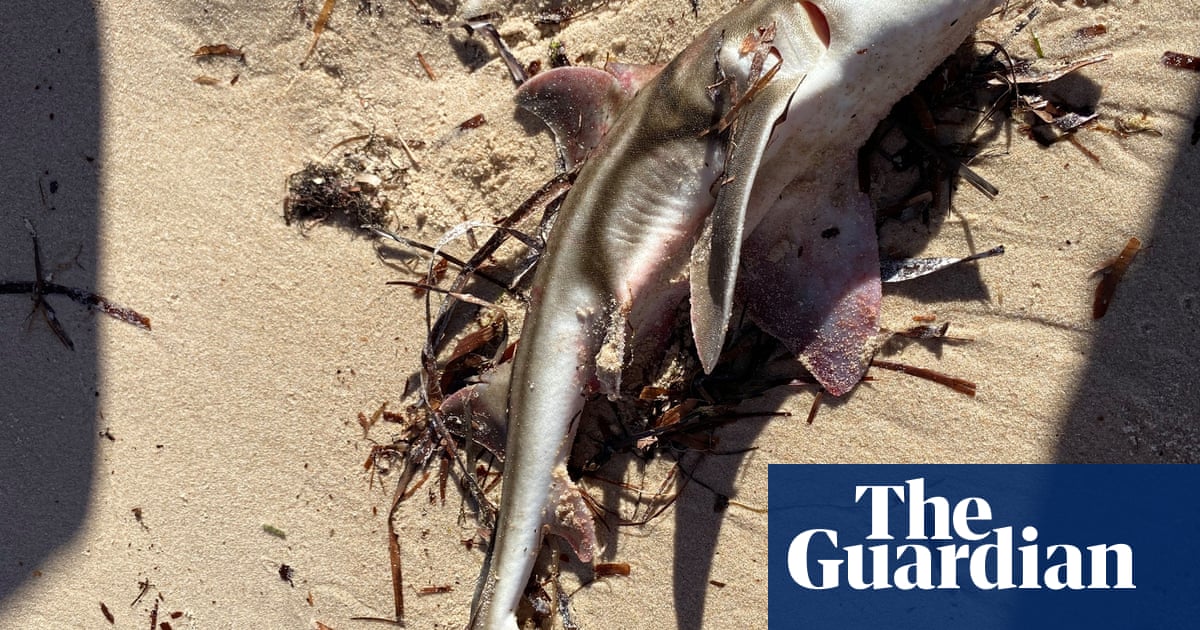
The bloom, identified as the harmful Karenia mikimotoi algae, has unleashed an unparalleled wave of marine mortality across South Australia’s iconic coastlines. Over 200 distinct marine species have succumbed, including deepwater sharks, the elusive leafy sea dragons, and various octopuses. Analysis compiled by OzFish from 1,400 citizen scientist reports paints a grim picture: ray-finned fish represent nearly half (47%) of the reported fatalities, while sharks and rays account for a significant 26% of the deaths. Cephalopods, encompassing squid, cuttlefish, and octopuses, constitute 7% of the perished species, with decapods such as crabs, lobsters, and prawns making up another 6%.
Brad Martin, OzFish’s South Australian project manager, vividly described the algae as a “toxic blanket” that smothers marine life. Its lethal mechanism is multi-faceted: it suffocates fish by clogging their gills, induces internal hemorrhaging by attacking red blood cells, and acts as a potent neurotoxin, disrupting the nervous system and brain. This neurotoxic effect explains the erratic, unusual behaviors observed in some dying fish and sharks, with many displaying a characteristic red tinge—a scene Martin likened to a “horror movie for fish.”
Climate Nexus: Marine Heatwave Fuels the Crisis
The state’s environment department attributes the bloom’s virulent proliferation to an ongoing marine heatwave, with water temperatures soaring 2.5 degrees Celsius hotter than typical averages. These elevated temperatures, combined with unusually calm marine conditions characterized by minimal wind and small swells, have created an ideal breeding ground for the Karenia mikimotoi. This direct link between rising ocean temperatures and severe ecological events serves as a stark reminder of the physical risks associated with climate change, a factor increasingly scrutinized by energy investors assessing long-term asset viability and regulatory exposure.
While the algae poses no direct toxic threat to humans, it can induce skin irritations and respiratory symptoms, highlighting its pervasive environmental impact beyond marine fatalities. First detected in mid-March on the Fleurieu Peninsula, the bloom has since expanded its reach dramatically, engulfing coastlines across the south-east, the Gulf St Vincent, the Yorke Peninsula, and Kangaroo Island.
Economic Fallout and Social License Implications
The economic repercussions of this unprecedented environmental disaster are already manifesting. Several oyster farms have been forced into temporary closure, and the commercial harvesting of pipis has been halted, directly impacting local livelihoods and the region’s seafood industry. Environment Minister Susan Close underscored the severity, describing it as “a very large algal bloom with a significant impact on marine life,” noting that some sections of the bloom penetrate up to 20 meters deep. OzFish expresses profound concern regarding the long-term ramifications for commercial fisheries, given that the bloom indiscriminately claims marine life across all developmental stages, from fingerlings (baby fish) to fully grown breeding adults, alongside their crucial food sources.
Professor Shauna Murray, a marine biologist from the University of Technology Sydney, who identified the specific algae through microscopic and DNA analysis, noted the existence of approximately 100 harmful algal species, each possessing unique toxic effects. This diversity underscores the complex and often unpredictable nature of marine environmental threats.
ESG Imperatives for Oil and Gas Investors in South Australia
For oil and gas investors eyeing opportunities or managing existing assets in South Australia, this algal bloom acts as a potent catalyst for heightened ESG scrutiny. The incident, irrespective of its direct cause, amplifies the environmental ‘E’ within the ESG framework, placing a spotlight on the inherent vulnerabilities of marine environments and the potential for cascading ecological and economic damage. Companies operating in or near such sensitive regions must now anticipate increased regulatory pressures, more stringent permitting requirements, and potentially elevated operational costs associated with enhanced environmental monitoring and mitigation strategies.
Furthermore, the ‘S’ for social in ESG is directly impacted. The temporary closure of fisheries and the disruption to local economies can erode public trust and diminish the social license to operate for all industrial activities, including energy projects. Investors must consider how community sentiment, shaped by environmental disasters, can translate into opposition to new projects or increased demands for corporate environmental responsibility. Reputational risk, a critical component of investor confidence, also escalates. Any resource company perceived as contributing to environmental degradation, or even simply operating in a region experiencing such events, faces amplified public and media scrutiny, potentially affecting market valuation and access to capital.
The explicit link between the bloom and a marine heatwave reinforces the urgency of addressing climate-related physical risks. Energy companies, particularly those with offshore assets, must integrate robust climate risk assessments into their investment strategies. This includes evaluating the potential for increased frequency or intensity of extreme weather events, changes in oceanographic conditions, and their direct and indirect impacts on operations, supply chains, and regulatory compliance. South Australia, a state with significant natural gas resources and potential for carbon capture and storage projects, will likely face even greater demands for transparent and proactive environmental management from both regulators and the public.
Navigating a Volatile Environmental Landscape
The South Australian toxic algal bloom serves as a powerful reminder that environmental factors are no longer peripheral considerations for financial analysis. They are central to assessing risk, ensuring long-term project viability, and securing investor value in the energy sector. For oil and gas stakeholders, this incident underscores the critical need for comprehensive ESG frameworks that not only mitigate direct operational impacts but also demonstrate resilience and adaptability in the face of broader environmental challenges, including those driven by climate change. Proactive engagement with environmental stewardship, community relations, and robust governance practices will be essential for navigating an increasingly volatile and scrutinizing investment landscape.