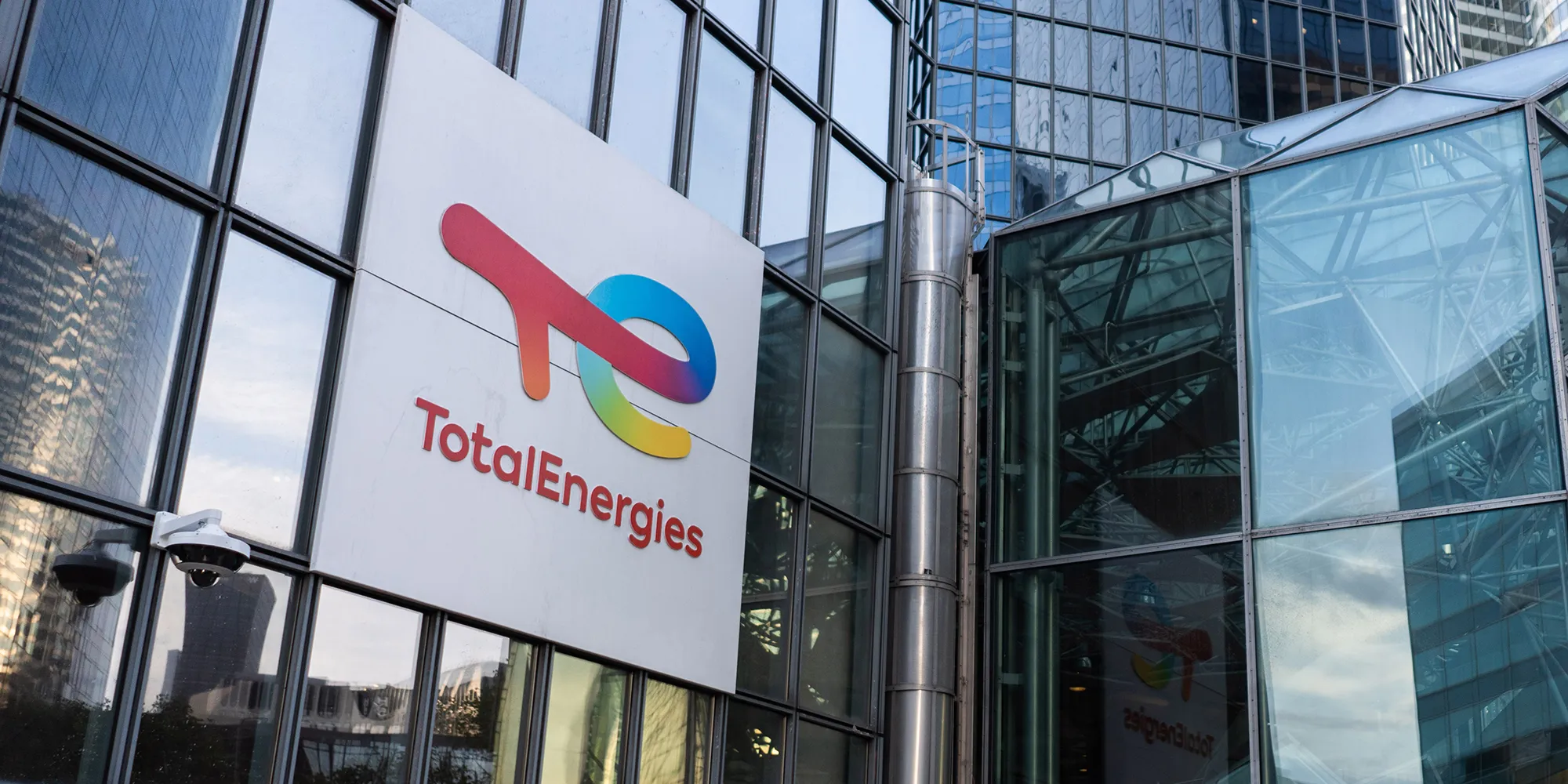
The recent French court ruling against TotalEnergies, ordering the removal of certain green claims from its website, marks a significant inflection point for the global energy sector and, crucially, for investors navigating the complex landscape of energy transition strategies. This decision, while dismissing the majority of environmental group allegations, underscores the escalating regulatory and legal scrutiny faced by major oil and gas players regarding their sustainability communications. For investors, this isn’t merely about semantics; it’s about the increasing risk associated with perceived “greenwashing,” the potential for reputational damage, and the tangible impact on capital allocation decisions as companies strive to balance profitability with ambitious decarbonization goals. This development demands a closer look at how energy giants articulate their transition pathways and what it means for the long-term value proposition.
Heightened Scrutiny on Sustainability Communications
The Paris Judicial Court’s directive for TotalEnergies to remove specific statements concerning its “major player in the energy transition” status and “carbon neutrality by 2050” ambition highlights a growing demand for precise, verifiable disclosure behind corporate climate claims. While the court notably dismissed broader accusations regarding the company’s rebranding and promotion of natural gas, the upheld claims signal a tightening standard for public-facing sustainability messaging. This isn’t an isolated incident; it’s part of a broader trend across Europe where regulators and advocacy groups are pushing for greater accountability. For investors, this translates into increased due diligence requirements. Understanding the granularity of a company’s energy transition scenario, the specifics of its investments, and the underlying assumptions of its net-zero targets is more critical than ever. Companies that fail to provide sufficient disclosure risk not only fines, such as the €10,000 per day TotalEnergies faces post-compliance deadline, but also a erosion of trust and a higher cost of capital.
Market Dynamics and Transition Investment Pressures
This increased scrutiny on green claims arrives at a time of significant volatility in the global energy markets, adding another layer of complexity to investment decisions. As of today, Brent crude trades at $90.38 per barrel, representing a substantial 9.07% decline within the day, with its price oscillating between $86.08 and $98.97. Similarly, WTI crude is down 9.41% at $82.59, having traded between $78.97 and $90.34. This sharp downturn is part of a broader trend, with Brent having fallen from $112.78 just two weeks ago to its current level, a decrease of nearly 20%. Such dramatic price swings put immense pressure on the profitability of traditional upstream operations, forcing companies to re-evaluate their capital expenditure. While TotalEnergies has invested over €20 billion globally in low-carbon energy since 2020, including €4 billion in France, the fluctuating oil prices raise questions about the pace and scale of future transition investments. Investors are keenly watching how companies will maintain their decarbonization commitments and articulate their progress amidst revenue uncertainties, especially given that many “reinvention” strategies rely on robust fossil fuel cash flows to fund new energy ventures.
Navigating Upcoming Events and Investor Expectations
Our proprietary reader intent data reveals a strong focus from investors on market outlook and the strategic positioning of key players, with questions ranging from “what do you predict the price of oil per barrel will be by end of 2026?” to specific inquiries about companies like Repsol and OPEC+ production quotas. The TotalEnergies ruling directly impacts these concerns by highlighting the reputational and regulatory risks associated with energy transition strategies. Looking ahead, the next two weeks bring critical events that could further shape the market and influence corporate strategies. The OPEC+ Joint Ministerial Monitoring Committee (JMMC) and Ministerial Meetings on April 19th and 20th, respectively, will be pivotal in determining future production quotas. Any changes could significantly impact crude prices and, consequently, the financial capacity of oil majors to invest in their low-carbon divisions. Furthermore, the weekly API and EIA inventory reports on April 21st/22nd and 28th/29th, alongside the Baker Hughes Rig Count on April 24th and May 1st, will offer fresh insights into supply-demand dynamics. For investors asking about future oil prices, these events provide tangible data points. The ongoing legal pressure on climate claims means companies must be even more transparent about how these market shifts affect their ability to meet stated environmental goals, making their communication strategies as important as their operational performance.
Strategic Implications for European Energy Majors
The TotalEnergies ruling, even with the dismissal of most claims, creates a precedent that requires all European energy majors to meticulously review their public disclosures and investor communications. The court’s emphasis on sufficient disclosure to back broad claims means that simply stating an ambition for carbon neutrality or a role in the energy transition is no longer enough. Companies must provide detailed, verifiable roadmaps, including specific investment figures, technological pathways, and the underlying assumptions that support their claims. This could lead to a strategic pivot in how companies market themselves and their projects, moving towards more factual, data-driven descriptions of their accomplishments, as TotalEnergies itself indicated it would do. For investors, this signals a shift from aspirational ESG narratives to a demand for concrete, auditable progress. Companies that proactively adapt to this stricter environment by enhancing transparency and linking their transition strategies to clear, measurable outcomes will likely gain an edge in attracting capital. Conversely, those perceived as slow to respond or still engaged in vague “green” messaging could face increased legal challenges, investor skepticism, and potentially, a higher cost of capital in an increasingly ESG-conscious market.


