The European energy landscape is undergoing a profound transformation, with gas infrastructure operators increasingly pivoting towards a hydrogen-centric future. A recent joint development agreement between German network operator Thyssengas and its Dutch counterpart Gasunie marks a significant milestone, outlining plans to explore cross-border hydrogen pipelines connecting the Netherlands and Germany. This strategic collaboration is not merely about building new lines; it focuses on the intelligent repurposing of existing natural gas infrastructure, a move that promises to accelerate Europe’s decarbonization efforts and reshape investment opportunities across the energy sector.
Repurposing Infrastructure for Europe’s Hydrogen Backbone
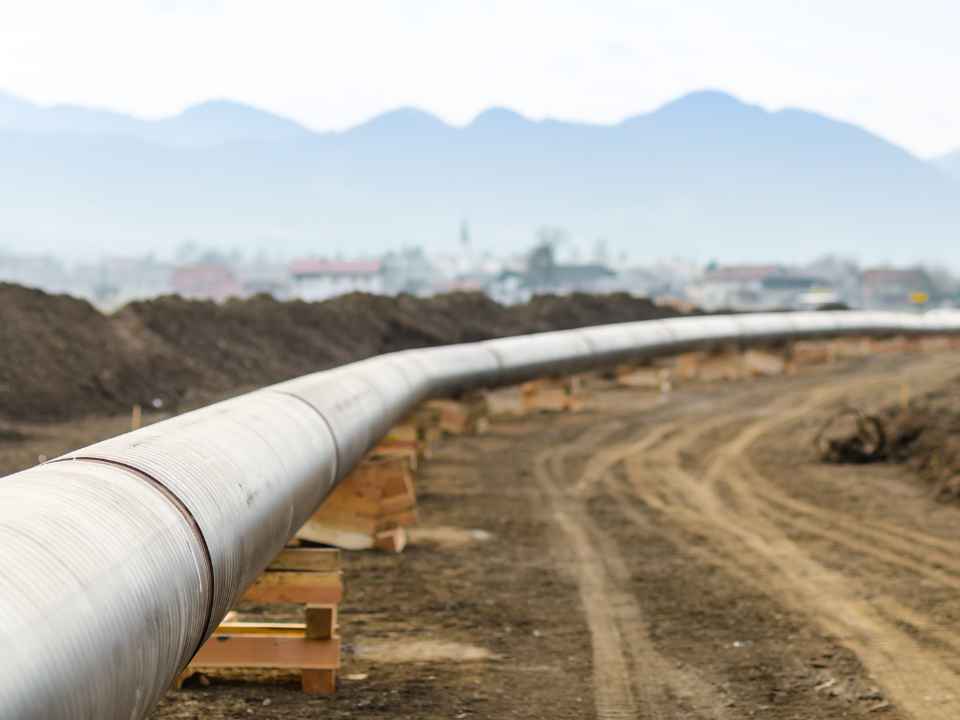
The agreement between Thyssengas and Gasunie highlights a pragmatic approach to establishing a robust hydrogen network across Northwest Europe. At its core, the initiative involves converting existing natural gas pipelines to transport hydrogen between key interconnection points: Oude Statenzijl in Groningen, Netherlands, and Vlieghuis in Drenthe, Germany. This conversion strategy is critical; it sidesteps the immense capital expenditure and lengthy permitting processes associated with entirely new builds, offering a faster and more cost-effective pathway to scale hydrogen transport capacity.
The proposed network aims to forge vital connections between Dutch industrial areas, import terminals, and storage facilities, linking them directly to Germany’s energy-intensive industrial clusters, particularly the Ruhr region and critical chemical facilities in Rhineland. This integration is paramount for industrial decarbonization, enabling these sectors to switch from fossil fuels to clean hydrogen. Furthermore, the strategic vision extends beyond this bilateral connection, with Gasunie’s Director of Hydrogen Transport, Helmie Botter, emphasizing the potential to facilitate transport to and from Denmark. This multi-country connectivity underscores the ambition to create an interconnected hydrogen backbone, enhancing energy security and fostering a continent-wide clean energy market. For investors, this signals a clear direction: companies with existing infrastructure adaptable to hydrogen stand to benefit significantly from this transition, positioning them as linchpins in the future energy system.
Navigating Current Market Volatility Amidst the Hydrogen Horizon
While the long-term vision for hydrogen infrastructure gains momentum, investors must remain acutely aware of the immediate dynamics in traditional oil and gas markets. As of today, Brent Crude trades at $89.99, reflecting a 0.49% decline, with an intraday range spanning $93.87 to $95.69. Similarly, WTI Crude is at $86.4, down 1.17%, having traded between $85.5 and $87.49. This recent softening in crude prices follows a notable trend, with Brent having fallen from $118.35 on March 31st to $94.86 just yesterday, representing a significant drop of nearly 20% in just over two weeks. Gasoline prices, currently stable at $3.03, offer little respite from the broader commodity volatility.
This market volatility underscores a critical dilemma for energy investors. On one hand, the short-term pressures on crude prices, driven by global demand concerns or supply-side adjustments, demand immediate attention. On the other, the accelerating energy transition, exemplified by projects like the Thyssengas-Gasunie hydrogen link, necessitates a long-term strategic outlook. The divergence between the immediate challenges in fossil fuel markets and the emerging opportunities in clean energy creates a complex environment for capital allocation. Companies demonstrating a clear, actionable strategy to diversify into new energy carriers, leveraging their existing assets and expertise, will likely attract greater investor confidence amidst these shifting sands.
Investor Focus: Capital Allocation and Strategic Pivots
Our proprietary reader intent data reveals a consistent theme among investors: a keen interest in future oil price trajectories and the performance of specific energy companies. Questions such as “what do you predict the price of oil per barrel will be by end of 2026?” and inquiries about specific company outlooks highlight a market grappling with uncertainty and seeking clarity on long-term value. This backdrop makes strategic pivots by infrastructure players like Thyssengas and Gasunie particularly relevant. Their commitment to hydrogen signals a proactive response to decarbonization mandates and evolving energy demands, offering a potential blueprint for how traditional energy companies can secure their relevance and profitability in a transitioning world.
For investors, evaluating companies purely on their current fossil fuel assets may no longer be sufficient. Instead, attention must shift to those demonstrating robust transition plans, significant investments in new energy carriers, and the ability to leverage existing infrastructure for future growth. The agreement between Thyssengas and Gasunie provides a tangible example of such a strategy: converting natural gas pipelines for hydrogen transport represents a substantial capital allocation decision that re-rates the value proposition of these assets. This approach minimizes stranded asset risk while opening new revenue streams, a critical consideration for investors looking to protect and grow their portfolios in the energy sector over the next decade. Companies with clear roadmaps for hydrogen, CCUS, or other clean energy solutions will increasingly differentiate themselves in the eyes of long-term capital.
Upcoming Catalysts and Policy Tailwinds
While the hydrogen vision unfolds over a multi-year horizon, near-term market catalysts continue to shape investor sentiment and opportunities. Today, April 21st, the OPEC+ Joint Ministerial Monitoring Committee (JMMC) Meeting is a critical event that could influence crude supply narratives and, consequently, price direction. Its outcome will be closely watched for any signals regarding production policy adjustments, which could further impact the volatile crude market we’ve seen recently. Following this, the EIA Weekly Petroleum Status Reports on April 22nd and April 29th, alongside the Baker Hughes Rig Count on April 24th and May 1st, will provide crucial insights into U.S. inventory levels and drilling activity, offering a granular view of immediate supply-demand dynamics.
Beyond these immediate market data points, the broader policy environment remains a significant tailwind for hydrogen infrastructure. The European Union’s aggressive decarbonization targets and national hydrogen strategies provide a clear regulatory and financial incentive for projects like the Thyssengas-Gasunie link. Investors should look for continued policy support, including grants, subsidies, and favorable regulatory frameworks, which de-risk these capital-intensive projects. The EIA Short-Term Energy Outlook, due on May 2nd, will also offer a broader perspective on the energy market, potentially contextualizing the role of natural gas and emerging fuels like hydrogen in the energy mix. These upcoming events, both short-term market movers and longer-term policy signals, collectively paint a picture of an energy sector in flux, where strategic investments in future-proof infrastructure like hydrogen pipelines are becoming increasingly compelling.