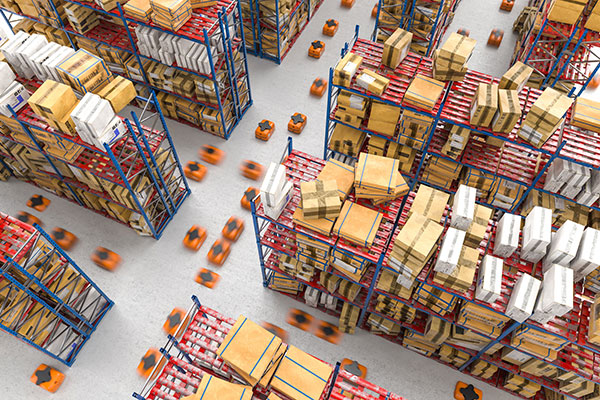
At a high level, warehouses, DCs, and fulfillment centers are still doing what they’ve always done: receiving goods, storing or cross-docking them, and then shipping them back out the door to either an end customer or another distribution site. The basic flow hasn’t changed much, even as e-commerce growth pushed companies to expand networks and rethink facility design.
What’s Related
Look closer, however, and the operating environment is different. Automation investments are accelerating. The global warehouse automation market is projected to grow from roughly $36 billion this year to nearly $120 billion by 2034, thanks mostly to the steady adoption of robotics, AI and automated systems in fulfillment operations, Fortune Business Insights reports. Labor shortages remain a concern in many regions, and customers continue to expect faster delivery with fewer errors.
Those shifts are changing what companies expect from their teams, and it’s not just about hiring more associates. Supervisors, managers, and executives are all being asked to understand automation, interpret data, and manage more complex operations. The responsibilities tied to roles like warehouse manager, VP of supply chain, and chief supply chain officer (CSCO) look very different from what they did just 5-10 years ago. That shift in scope comes with a corresponding pivot in what employers will pay for those expanded responsibilities.
The ripple effect extends right out onto the warehouse or DC floor, where one recent Integrity Staffing Solutions report says employers are looking for job-ready talent with “proficiency in forklift and pallet jack operation, inventory control systems, food-grade warehouse practices, and basic tech literacy for logistics platforms.”
Put simply, modern warehouse work demands more than physical labor. It also needs people, at every level, who can move between the floor and the system without missing a beat — from VPs of supply chain to frontline supervisors to hourly team leads. Increasingly, companies are paying for that added capability.
Digital fluency: a baseline expectation
Compensation data from ASCM’s most recent Supply Chain Salary and Career Report reinforces what many warehouse leaders are already seeing firsthand: not all skills carry the same price tag. For example, digital fluency is now a baseline expectation according to the report, which reveals widespread use of cloud platforms and growing adoption of AI and analytics tools across supply chain roles.
This means technical comfort is no longer confined to IT and is now expected of operations leaders and supervisors as well. In turn, companies are paying more for people who can operate inside modern systems, interpret dashboards, and make data-informed decisions.
“The roles now include sustainability, cybersecurity and geopolitics,” says Abe Eshkenazi, ASCM’s CEO. “These weren’t really core responsibilities seven or eight years ago, but now they are.”
Credentials are another clear differentiator. The ASCM report shows that professionals with certifications consistently out-earn their non-certified peers, with compensation premiums increasing for those holding multiple designations. The takeaway isn’t just about letters after a name, either, says Eshkenazi. In fact, he says certifications signal “structured knowledge in planning, inventory management and operations strategy.”
Employers are also rewarding educational experience, with ASCM reporting that graduate degrees and advanced training both correlate with higher compensation, particularly in leadership roles. Professionals with high school diplomas (only) reported a median salary of $75,000 last year. That jumped to $92,200 for those with a bachelor’s degree and climbed to $119,000 for professionals holding a graduate degree.
Peerless’ own research reflects a similar trend and reveals that education level continues to influence compensation across materials handling and logistics roles, with MBA holders earning well into six figures on average and those with only a high school diploma reporting significantly lower pay. The same pattern shows up in responsibility levels. Professionals with supervisory duties and budget authority consistently out-earn those without them.
When accountability extends beyond the task
The data paints a clear picture of the skill sets and experience employers are willing to pay a little more for right now. Higher pay aligns with broader responsibility, financial accountability, and formal education. In warehouse and distribution environments, that often means managing people, overseeing budgets, and operating in more complex, system-driven settings.
The lift truck and the pick path still matter, of course, but compensation may rise as accountability expands beyond the “task” to leadership, financial oversight, and digital competency.
The good news is that the added responsibility doesn’t seem to be pushing people out. If anything, it’s keeping them engaged. According to Eshkenazi, the ASCM report data indicate a resilient workforce that’s deeply invested in the profession. “Career satisfaction continues to be extraordinarily high given all the challenges these professionals have faced over the past few years,” he says. “Their intent to stay on the job comes through strong in the survey.”