Texas Emergency Lapse Signals O&G Operational Risk
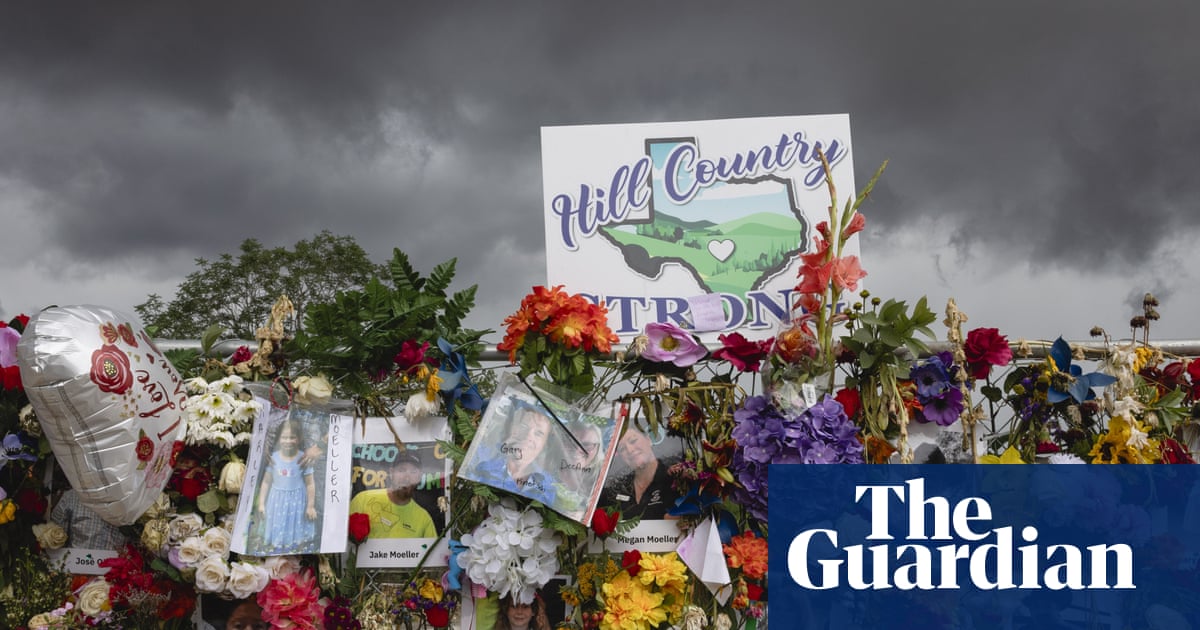
The recent catastrophic flash flooding in Texas, which claimed at least 138 lives over the Fourth of July weekend, has brought into stark focus the critical vulnerabilities within local emergency management systems. While the human tragedy in Kerr County remains paramount, the details emerging from official testimonies should serve as a potent warning for investors in the state’s vast oil and gas sector. Texas is the undisputed heartland of U.S. energy production, and any systemic failure in its emergency response infrastructure poses a direct and material threat to the operational continuity and asset integrity of countless energy companies.
A Critical Breakdown in Local Preparedness
The unfolding narrative from Kerrville reveals a disconcerting lack of coordinated leadership during a rapidly developing crisis. William B. Thomas, the county’s emergency management coordinator, admitted to being off duty and unwell on July 3rd, missing crucial 10 AM and 3 PM state coordination calls where severe weather forecasts were discussed. He further testified to being asleep for much of the critical period, only briefly waking at 2 PM when no local rainfall was apparent, before returning to sleep until 5:30 AM on July 4th. By then, the devastating floods had already swept through communities like Hunt, where 27 campers and counselors at Camp Mystic were among the victims. Adding to the leadership void, the Kerr County Sheriff and Thomas were reportedly asleep as the crisis escalated, while County Judge Rob Kelly, the county’s top executive, was out of town for the holiday. This confluence of absences meant a critical leadership vacuum existed during the initial, most crucial hours of the disaster.
Despite National Weather Service alerts, many residents reported receiving “no warning at all” until it was too late. This highlights a critical gap between regional weather advisories and localized, actionable emergency communication. Calls for implementing outdoor weather sirens and updated warning systems reflect a community acutely aware of the preparedness deficits exposed by the disaster.
Direct Implications for Oil and Gas Investors
For investors channeling capital into Texas’s oil and gas landscape, this incident is not merely a local tragedy but a significant indicator of broader operational risks. The energy sector’s extensive infrastructure – from drilling rigs and wellheads to pipelines, processing plants, and refineries – is inherently exposed to the elements. Texas, prone to hurricanes, floods, and extreme winter weather events, relies heavily on robust emergency planning and execution to safeguard these critical assets and ensure uninterrupted supply.
Infrastructure Vulnerability and Production Downtime
Severe weather, exacerbated by inadequate local emergency response, can lead to widespread power outages, road closures, and direct damage to energy infrastructure. Flooded access roads can isolate drilling sites, halt maintenance, and prevent personnel movement. Submerged pipelines become inaccessible for inspection and repair, increasing the risk of spills and environmental damage. Refineries and processing plants, often located in flood plains or coastal areas, face the threat of inundation, leading to costly shutdowns and extensive repair work. The Kerr County incident underscores how a failure in early warning and coordinated evacuation can amplify these physical risks, transforming a weather event into a prolonged operational disruption.
Supply Chain and Logistics Disruptions
The impact extends beyond the immediate production site. The oil and gas supply chain, from equipment delivery to product distribution, is highly dependent on navigable transportation networks. Flooded roads, compromised bridges, and closed ports can sever critical links, delaying essential supplies and preventing crude oil, natural gas, or refined products from reaching markets. This can lead to price volatility, contractual penalties, and significant revenue losses for companies.
Personnel Safety and Workforce Management
Ensuring the safety of personnel is paramount for energy companies. Inadequate warnings and delayed emergency response place workers in hazardous situations, leading to potential injuries or fatalities. The ability to safely evacuate non-essential personnel and deploy emergency crews is directly tied to the efficiency of local emergency management. Failures here can impact workforce availability, morale, and regulatory compliance.
Regulatory Scrutiny and Reputational Risk
Such high-profile emergency management lapses often trigger increased regulatory scrutiny. State and federal agencies may impose stricter requirements for emergency preparedness, infrastructure resilience, and communication protocols. For oil and gas companies, this could mean higher compliance costs, increased reporting burdens, and potential fines for perceived shortcomings. Furthermore, a company’s ability to operate effectively and safely in a region is tied to public perception and its social license to operate. Association with areas experiencing significant emergency response failures can negatively impact a company’s reputation and stakeholder relations.
Lessons for Oil and Gas Investors
The Kerr County tragedy serves as a stark reminder that investing in the Texas energy sector requires a holistic understanding of risk beyond commodity prices and geological potential. Investors must consider:
- Company-Specific Preparedness: Evaluate the robustness of an O&G company’s internal emergency response plans, business continuity protocols, and investment in resilient infrastructure (e.g., elevated equipment, backup power, redundant communication systems).
- Regional Emergency Management Assessment: Understand the quality and reliability of local and state emergency services in areas where a company has significant assets. A strong internal plan is less effective if external support systems are compromised.
- Diversification and Redundancy: Companies with geographically diversified assets or redundant systems are better positioned to weather localized disruptions.
- Technological Investment: Look for companies investing in advanced weather monitoring, predictive analytics, and automated alert systems that can supplement or even compensate for human error in local government.
The Texas Context: A Critical Hub Under Scrutiny
Texas’s status as a global energy powerhouse means its operational stability has far-reaching implications. Past events, such as Winter Storm Uri and numerous hurricanes, have already demonstrated the fragility of the state’s energy grid and infrastructure when confronted with extreme weather. The Kerr County flood, while localized, exposes a deeper issue: the potential for critical failures in the human element of emergency management. As climate patterns become more unpredictable, the frequency and intensity of severe weather events are projected to increase, making robust, reliable, and redundant emergency systems more critical than ever.
Ultimately, the devastating events in Kerr County underscore a fundamental truth for the oil and gas industry: operational resilience is not solely about engineering and technology; it is equally dependent on the human and organizational infrastructure designed to anticipate, respond to, and mitigate crises. For investors, this incident is a clear signal to deepen due diligence into emergency preparedness, not just within the companies they invest in, but also within the broader governmental and community ecosystems where those companies operate.


