Wartsila’s Q1 Results: Marine Sector Navigates Tariff Headwinds, Battery Storage Stalls
Global energy and marine technology powerhouse Wartsila recently unveiled its first-quarter financial performance, presenting a mixed picture for investors closely monitoring the energy sector’s transition and the broader oil and gas landscape. While the Finnish conglomerate reported comparable operating earnings that climbed to an impressive €171 million ($194.36 million), this figure ultimately fell marginally short of the average analyst expectation of €172.7 million. The market’s initial reaction saw Wartsila’s shares dip by as much as 4.5% before finding stability, a clear signal of investor apprehension regarding the current geopolitical trade climate and its potential to defer critical client investment decisions across various energy segments.
For those invested in the evolving energy matrix, Wartsila’s Q1 release provides a crucial lens through which to examine global trade dynamics. The company, celebrated for its robust ship engines and comprehensive power generation solutions, operates at the very nexus of traditional maritime power and cutting-edge renewable energy storage. CEO Hakan Agnevall provided a candid assessment of the challenges, clearly delineating how escalating tariffs are impacting the company’s diverse portfolio, creating distinct narratives for its established marine operations versus its burgeoning battery storage division.
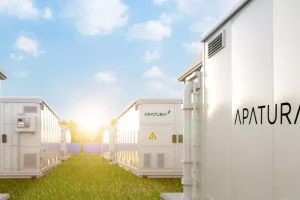
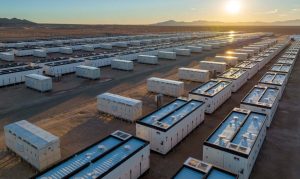
Battery Storage Division Bears Brunt of Tariff Impact
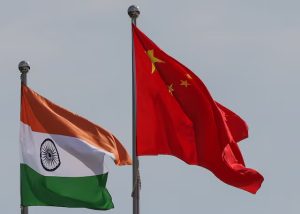
The most significant operational headwind for Wartsila currently centers on its battery storage unit. This segment, crucial for enhancing grid stability and facilitating the seamless integration of renewable energy sources, is heavily reliant on components and materials primarily sourced from Asia for its U.S. manufacturing and deployment facilities. Agnevall explicitly highlighted that “significant import duties imposed on China” have severely curtailed activity within this specific market segment, effectively bringing it to a virtual standstill. He anticipates this challenging condition could persist for “a quarter or two,” a stark forecast that underscores the immediate and tangible financial repercussions of ongoing geopolitical trade tensions on the development of clean energy infrastructure within the United States.
Considering that the U.S. market contributes a substantial 15% to 20% of Wartsila’s total global sales, the pronounced slowdown in battery storage investments directly impacts a material portion of the company’s potential revenue streams. This situation serves as a critical bellwether for investors tracking the profitability and growth trajectories of companies deeply involved in renewable energy storage solutions, especially those with complex international supply chains vulnerable to unpredictable tariff regimes. The ripple effect extends beyond Wartsila, potentially signaling broader systemic challenges for the rapid and cost-effective deployment of advanced battery solutions, which are indispensable for achieving a decarbonized energy future.
Marine Business Demonstrates Resilience Amidst Global Trade Shifts
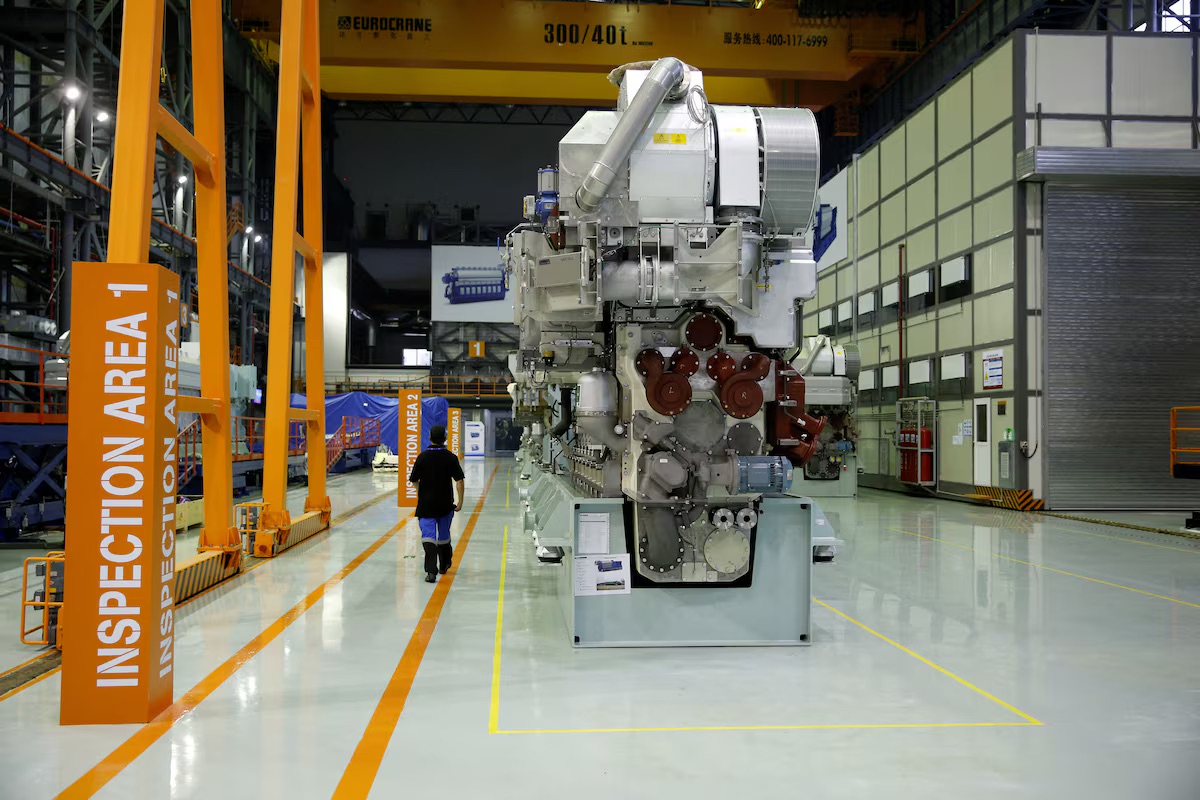
In stark contrast to the challenges faced by its battery storage segment, Wartsila’s long-established marine business has demonstrated remarkable resilience. This division, a vital supplier to the global shipping industry and, crucially, the offshore oil and gas sector, appears largely insulated from the direct impact of U.S. tariffs. Agnevall confirmed that the majority of Wartsila’s shipbuilding operations and its extensive customer base for marine solutions are strategically located outside of the United States. This geographical diversification provides a robust buffer against U.S.-specific trade policies, allowing the marine division to maintain operational momentum and profitability.
For oil and gas investors, this insulation is particularly noteworthy. Wartsila’s marine technology plays a critical role in the efficiency and environmental compliance of exploration, production, and transportation vessels worldwide. The continued strength of this segment highlights the enduring demand for advanced propulsion, power generation, and environmental solutions in the traditional maritime and offshore energy industries. This division’s stability offers a counterbalance to the volatility seen in the newer, tariffs-sensitive energy storage markets, underscoring the strategic advantage of Wartsila’s diversified portfolio.
Navigating Future Growth: Investor Implications
Wartsila’s Q1 performance offers a compelling case study in the complexities of investing in a globalized energy market. While the company’s foray into battery storage aligns with the broader energy transition narrative, it also exposes vulnerabilities to protectionist trade policies. Conversely, the steadfast performance of its marine division reaffirms the foundational importance of its traditional strengths, particularly in supporting the global movement of goods and the operations of the oil and gas industry.
Investors must weigh the immediate headwinds impacting the promising battery storage segment against the inherent stability and consistent demand within the marine sector. The outlook for Wartsila’s battery storage business hinges significantly on the resolution of international trade disputes, which could potentially unlock substantial growth once tariffs are eased or supply chains are reconfigured. Meanwhile, the marine business continues to be a reliable revenue generator, driven by global trade volumes and the ongoing need for efficient, environmentally compliant vessel operations. Wartsila’s strategic positioning across both traditional energy infrastructure and emerging renewable technologies positions it uniquely, though navigating the current geopolitical currents requires astute management and a patient investor perspective.