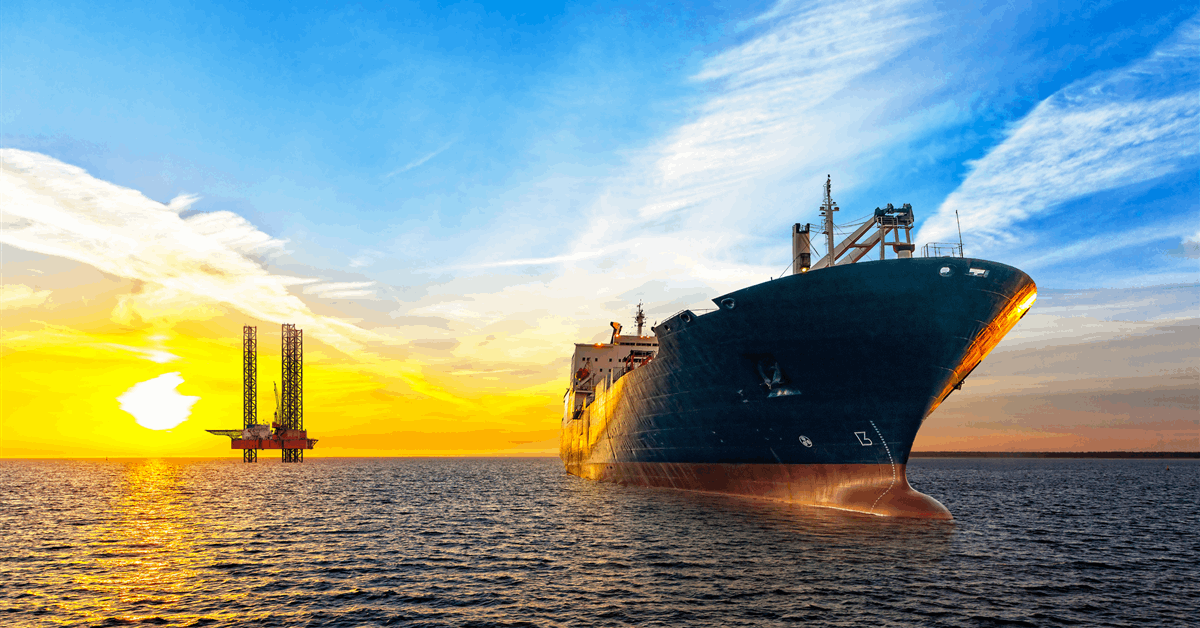
Tanker Rates Surge, More Upside Expected
The global oil tanker market finds itself at a critical juncture, with Very Large Crude Carrier (VLCC) rates experiencing a significant surge that points towards sustained upside potential. This escalating cost to charter supertankers is not merely a transient fluctuation but rather a confluence of intensifying geopolitical risks in the Middle East and a profound structural shift towards market concentration. For investors tracking the energy sector, understanding these dynamics is paramount, as the interplay between global supply chains, political instability, and market consolidation creates a unique environment for significant movements in shipping equities and the broader crude oil complex.
Geopolitical Tensions Fueling Rate Escalation Amidst Market Volatility
The primary catalyst for the current spike in VLCC rates is the heightened geopolitical risk emanating from the Middle East. The prospect of a major US attack on Iran, coupled with the amassing of forces in the region and an explicit deadline set for nuclear program negotiations, has introduced an unprecedented level of uncertainty into the vital Strait of Hormuz. This choke point, through which a significant portion of the world’s seaborne oil passes, is exceptionally sensitive to disruption, leading charterers to price in a substantial risk premium. Earnings for a VLCC on the crucial Middle East-to-China route have already skyrocketed to $151,208 a day, marking the highest level since 2020. This rate represents an almost threefold increase this year alone, reflecting acute market apprehension. The nervousness is palpable across routes, with supertanker earnings on the US Gulf to China journey also reaching their highest point since late 2022.
This localized tension is occurring against a backdrop of broader market fluctuations. As of today, Brent Crude trades at $93.86, marking a robust 3.79% daily gain, while WTI Crude stands at $90.63, up 3.67%. These significant movements underscore a market sensitive to risk, with crude prices reacting to supply concerns and geopolitical developments. It’s worth noting that this daily increase follows a notable downtrend, with Brent having declined from $118.35 on March 31st to $94.86 on April 20th. This volatility accentuates the impact of geopolitical events on the broader oil complex, directly influencing the demand and perceived risk of crude transport. The last time tanker rates for the Middle East-to-China route were this elevated was in 2020, during the initial phases of the pandemic when producers resorted to storing excess crude at sea due to collapsing demand and full onshore storage. This time, however, the dynamic is reversed: charterers are grappling with increasing global crude output—up approximately 3.9 million barrels a day in January compared to a year earlier—at a moment when available ships for prompt hires are becoming increasingly scarce.
Market Concentration Intensifies Supply Scarcity and Investor Scrutiny
Beyond the immediate geopolitical concerns, a fundamental structural shift in the VLCC market is exacerbating the upward pressure on rates: increasing ownership concentration. The rapid acquisition strategy of South Korean shipper Sinokor Merchant Marine, which now controls an estimated 120 supertankers, has significantly consolidated the market. Rival Okeanis Eco Tankers Corp. recently estimated that Sinokor holds nearly 40% of the unsanctioned ships available for hire that are not already tied up in existing contracts. This dramatic shift places market control into fewer hands, making the sector inherently more sensitive to sudden demand spikes or geopolitical flare-ups. In essence, any rush to secure tonnage in the Middle East, should US-Iran tensions escalate into military action, will be amplified by this reduced pool of independent operators and available vessels.
This market tightening directly addresses a core concern frequently voiced by our readership. Investors are consistently seeking clarity on future price trajectories, with common inquiries ranging from “is WTI going up or down” to “what do you predict the price of oil per barrel will be by end of 2026?”. The consolidation in the VLCC market introduces a new layer of complexity to these predictions. With fewer players controlling a larger share of the fleet, the ability of charterers to find alternative vessels quickly diminishes, driving spot rates higher and making the supply chain more susceptible to shocks. This structural change, therefore, becomes a critical input for any comprehensive oil price forecast, as transportation costs directly impact the delivered price of crude. The implications extend to the profitability of shipping companies and the overall resilience of global energy supply lines, making the sector a focal point for those seeking to understand the evolving landscape of oil investment.
Forward-Looking Catalysts and Upcoming Event Impact
The current environment for tanker rates is characterized by an “anticipation of something happening,” as noted by Kenneth Hvid, CEO of Teekay Tankers Ltd. This forward-looking sentiment suggests that current high rates are not the ceiling but merely a precursor to potentially higher levels if geopolitical tensions escalate further. President Trump’s explicit 10-15 day deadline for Iran to reach a deal over its nuclear program provides a near-term window during which the market will remain on high alert. Should this deadline pass without resolution or, worse, lead to military action, the ensuing disruption in the Strait of Hormuz could trigger a scramble for tonnage that drives rates to levels not seen since 2019 or even higher.
Investors must closely monitor a series of upcoming energy events that, while not directly related to tanker rates, will provide critical context and potential secondary impacts. The OPEC+ JMMC Meeting on April 21st, for instance, could influence global crude supply policy. Any decision affecting production levels will have a ripple effect on the demand for VLCCs. Furthermore, the EIA Weekly Petroleum Status Reports on April 22nd and April 29th, alongside the API Weekly Crude Inventory updates on April 28th and May 5th, will offer vital insights into inventory levels and overall market balance. A significant draw in inventories, especially if combined with supply disruption fears, could reinforce the upward pressure on crude prices and, by extension, the demand for shipping. Finally, the EIA Short-Term Energy Outlook on May 2nd will provide a comprehensive forecast that will undoubtedly incorporate the ongoing geopolitical risks and their potential impact on global oil supply and demand, offering a clearer picture for shipping market participants.
Investment Implications and Outlook
For savvy investors, the current surge in tanker rates, driven by a potent combination of geopolitical risk and market consolidation, presents a compelling investment thesis within the shipping sector. The structural tightness, exacerbated by Sinokor’s aggressive fleet expansion, means that even without a full-scale military confrontation, the market remains highly sensitive to any perceived threat or operational hiccup. This inherent sensitivity translates directly into higher charter rates and improved profitability for tanker operators. Companies with significant VLCC exposure are well-positioned to capitalize on this environment, particularly those with modern, efficient fleets that can command premium rates. The forward-looking analysis suggests that the risk-reward profile for tanker investments skews towards upside, as long as the underlying geopolitical tensions persist and the market remains concentrated.
However, investors must also remain vigilant. While the outlook for tanker rates appears strong, the sector is inherently exposed to geopolitical volatility. Any sudden de-escalation of tensions could lead to a swift correction in rates, although the structural market concentration would likely provide a floor. Conversely, an escalation could propel rates to unprecedented highs, creating substantial value for shareholders in the near term. The current market dynamics underscore the importance of an agile investment strategy, focusing on companies with robust balance sheets and a clear understanding of their exposure to both spot rates and longer-term contracts. The interplay of global crude demand, production trends, and the critical role of maritime transport ensures that the tanker market will remain a key barometer for the health and stability of the global energy landscape.


