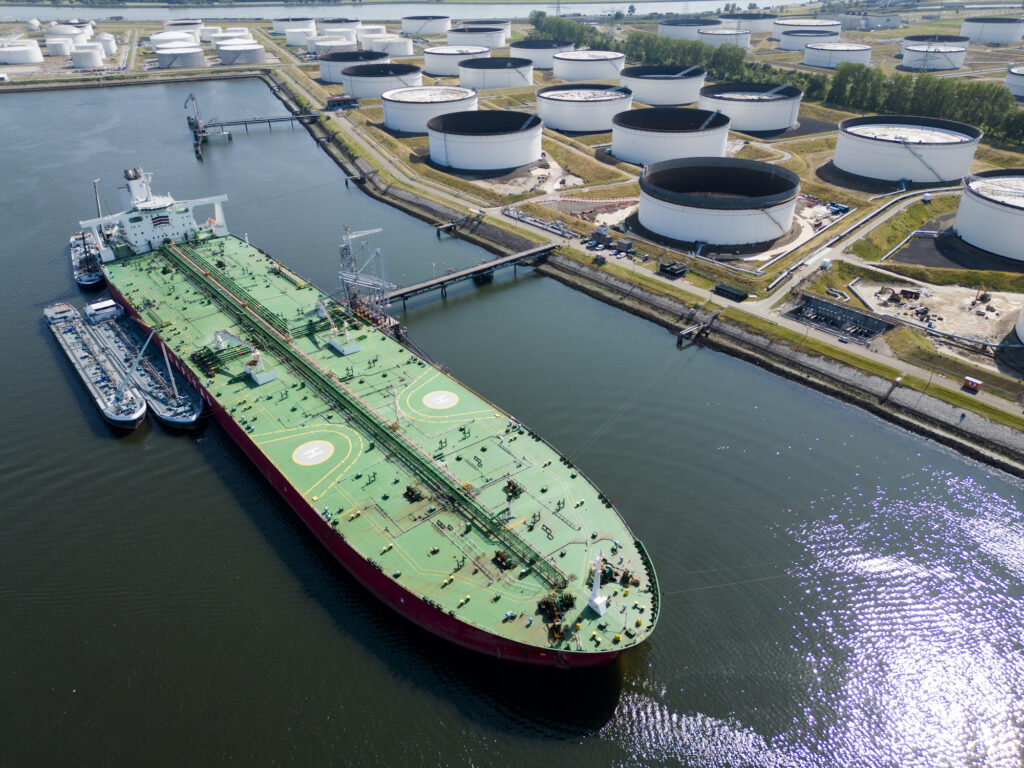
The global oil tanker market is signaling a period of sustained strength, with shipping rates projected to remain elevated well into the first half of 2026. This bullish outlook for maritime crude transportation stems from a confluence of factors: an aging global fleet, robust demand from key producers, and the increasing friction introduced by geopolitical sanctions and regional conflicts. For investors, understanding these dynamics is crucial, as the cost and availability of shipping are direct inputs into the profitability of global oil trade and, by extension, the broader energy sector.
Persistent Rate Strength Driven by Supply-Demand Imbalance
Current market conditions underscore a tight supply-demand balance in the tanker segment. Very Large Crude Carrier (VLCC) rates have recently surged to approximately $130,000 per day, a testament to high demand, particularly from OPEC and its allies. This significant daily rate reflects more than just the immediate needs of producers; it’s a symptom of deeper structural issues within the global fleet. Jefferies estimates project VLCC fleet utilization to reach 92% in 2026, a level not seen since 2019, up from 89.5% in 2025. This high utilization rate means fewer ships are idle, amplifying the impact of any supply shock or increase in demand.
A primary driver of this constrained supply is the advanced age of a substantial portion of the fleet. Nearly 44% of the global VLCC fleet is now older than 15 years. Major oil firms increasingly subject older vessels to stringent vetting processes due to declining efficiency and heightened safety concerns, effectively reducing the pool of commercially viable ships. This trend, combined with a historically low order book for new vessels in previous years, has created an environment where the available, modern, and compliant fleet is struggling to keep pace with global shipping requirements.
Geopolitical Friction and the Rise of the “Shadow Fleet”
Geopolitical tensions and the subsequent international sanctions on oil from Russia, Iran, and Venezuela have profoundly reshaped shipping routes and vessel availability. These measures have not only diverted traffic, such as the Red Sea disruptions forcing longer voyages, but have also created a bifurcated shipping market. A staggering 18% of supertankers in the VLCC segment have been directly impacted by sanctions, contributing to the overall reduction in the accessible fleet for mainstream operations. This scenario has led to the proliferation of a “shadow fleet,” comprising 1,423 tankers, with 921 of these already subject to U.S., British, or EU sanctions.
The shadow fleet operates with opaque ownership, often lacks top-tier insurance, and falls outside conventional maritime standards. While it facilitates the movement of sanctioned crude, it also introduces significant risks and inefficiencies. For investors, this growing segment of the market presents a complex challenge. It distorts traditional supply-demand analysis and raises concerns about environmental and safety liabilities. Investors are keenly asking about the long-term price of oil per barrel by the end of 2026, and the stability of tanker rates underpins this. The continued operation of the shadow fleet directly impacts the legitimate market by siphoning off a portion of crude demand that would otherwise require compliant vessels, while simultaneously elevating risks for all participants.
Forward-Looking Analysis: Upcoming Events and Future Deliveries
The trajectory of tanker rates through late 2026 will be heavily influenced by two critical factors: upcoming supply-side additions to the fleet and the ongoing decisions of OPEC+. Looking ahead, the next 14 days are packed with events that could significantly sway market sentiment and operational realities. The upcoming OPEC+ Joint Ministerial Monitoring Committee (JMMC) meeting on April 17th, followed by the Full Ministerial meeting on April 18th, will be paramount. Investors are keenly watching for any adjustments to production quotas, as these directly determine the volumes of crude requiring shipment. Any decision to increase or decrease production will have immediate repercussions for tanker demand and, consequently, freight rates.
Beyond OPEC+, the supply side of the tanker market is set to evolve. While rates are firm through H1 2026, market assessments suggest that the latter half of the year could see some capping. Scheduled tanker deliveries for 2026 are projected to be at their highest point since 2009. While this influx is more weighted towards refined product tankers than crude tankers, an overall improvement in vessel supply is anticipated as more ships are delivered from shipyards. This gradual increase in capacity could provide some relief to the current tight market, potentially moderating the extreme rate hikes observed recently. However, given the significant portion of the existing fleet nearing or past its prime, and the persistent geopolitical disruptions, it is unlikely that new deliveries will completely alleviate the structural tightness in the short to medium term.
Investment Implications Amidst Market Volatility
For energy investors, the sustained strength in tanker rates presents a compelling case for exposure to the shipping sector, particularly companies with modern, compliant fleets. As of today, Brent crude trades at $91.87, representing a significant 7.57% dip from its opening, mirroring a broader market correction seen over the last two weeks where Brent has fallen from $112.57 on March 27th to $98.57 on April 16th. WTI crude also saw a similar decline, trading at $84, down 7.86%. Despite this recent softening in crude prices, the underlying demand for crude transportation remains remarkably resilient, demonstrating a disconnect between spot crude prices and the fundamental cost of moving oil.
This resilience highlights that the current strength in tanker rates is not solely dependent on high crude prices, but on the structural tightness of the shipping market and geopolitical factors. Investors frequently ask about OPEC+ current production quotas and how they influence the market. Any indication from the upcoming OPEC+ meetings that quotas will remain stable or even increase slightly would further underpin tanker demand. Conversely, significant cuts could put downward pressure on volumes, though the aging fleet and sanction-related inefficiencies would likely provide a floor for rates.
Given the complexities, investors should focus on companies with strong balance sheets, operational flexibility, and a commitment to modern fleet management. The continued pressure from sanctions and the operational risks associated with the shadow fleet mean that reliable, well-vetted vessels will command a premium. While new deliveries in late 2026 might temper the most aggressive rate increases, the underlying structural issues – fleet age, high utilization, and geopolitical disruptions – suggest that tanker rates will remain a significant component of the global oil trade equation for the foreseeable future.