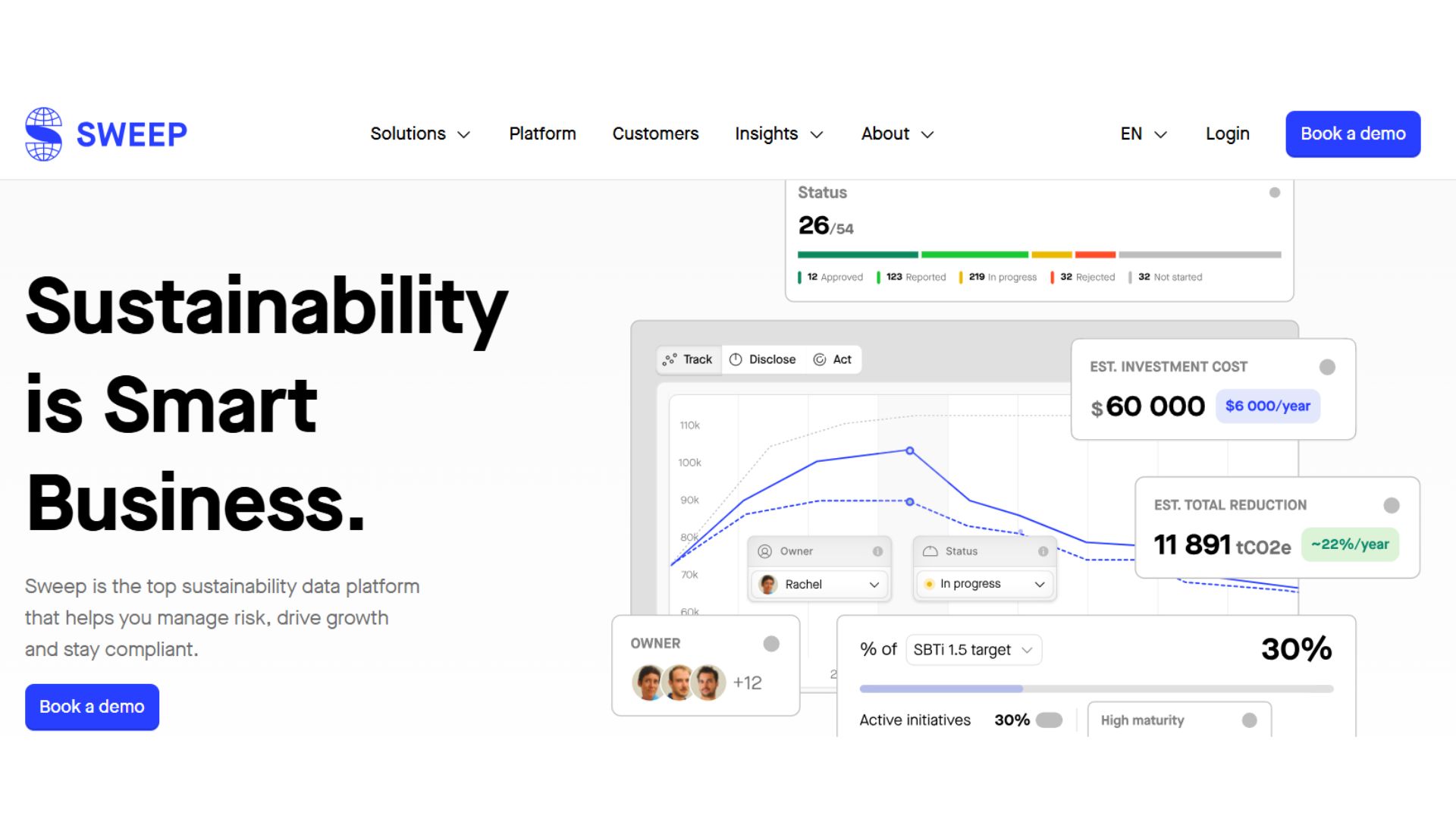
The energy sector is undergoing a profound transformation, driven not only by market fundamentals but also by an accelerating focus on environmental, social, and governance (ESG) factors. The recent expansion of a prominent European sustainability data platform into Denver, establishing its first U.S. hub, underscores a critical shift: advanced ESG data management is no longer a niche concern but a strategic imperative for American energy companies. This move positions a key player in the carbon and supply chain reporting space to better serve a growing roster of U.S. firms, highlighting the increasing convergence of global sustainability reporting frameworks and the recognition that non-financial data is a powerful driver of profitability and resilience for investors.
The Evolving Landscape of Energy ESG Reporting
The demand for robust ESG data management tools within the U.S. energy sector is surging. This isn’t just about compliance; it’s about competitive advantage. European regulations like the Corporate Sustainability Reporting Directive (CSRD) have set a high bar, and U.S. companies are increasingly facing similar pressures from investors, regulators, and supply chain partners. The choice of Denver as a North American anchor reflects the city’s strategic location and burgeoning corporate ecosystem, signaling a localized commitment to supporting diverse industries, including energy, in navigating these complex new requirements. Platforms that can map corporate carbon footprints, automate fragmented reporting processes, and support comprehensive transition planning are becoming indispensable. Leading U.S. businesses across various sectors are already leveraging these tools to integrate sustainability insights directly into their operational and strategic decision-making, moving beyond mere box-ticking to unlock tangible business benefits.
Navigating Market Volatility: Why Non-Financial Data Matters More Now
In a dynamic market environment, the strategic value of comprehensive ESG data becomes even more pronounced. As of today, Brent crude trades at $98.13 per barrel, reflecting a 1.27% dip within its daily range of $97.92-$98.67. Similarly, WTI crude is at $89.72, down 1.59% for the day. This current snapshot follows a notable trend: Brent crude has seen a significant decline over the past two weeks, dropping from $112.57 on March 27th to $98.57 by April 16th, a substantial $14 or 12.4% reduction. Such price fluctuations introduce volatility and uncertainty for energy investors. In this context, companies demonstrating strong, transparent ESG performance can differentiate themselves. Efficient carbon and supply chain reporting tools, for instance, are not just about compliance; they enable cost reduction through optimized resource use and enhanced risk management across complex supply chains. Investors are increasingly evaluating energy companies not just on their quarterly earnings, but on their long-term resilience and adaptability, where non-financial data provides critical insights into future-proofing operations against market shifts and regulatory changes.
Proactive Positioning Ahead of Key Energy Catalysts
The coming weeks are packed with events that could significantly influence the global energy market, underscoring the need for strategic agility and robust data. This Friday, April 17th, the OPEC+ Joint Ministerial Monitoring Committee (JMMC) convenes, followed by the full OPEC+ Ministerial Meeting on Saturday, April 18th. The outcomes of these discussions on production quotas will undoubtedly shape crude oil prices and global supply dynamics. Further insights into market fundamentals will arrive with the API Weekly Crude Inventory reports on April 21st and 28th, complemented by the EIA Weekly Petroleum Status Reports on April 22nd and 29th. These will provide crucial data on U.S. petroleum demand and supply. Additionally, the Baker Hughes Rig Count on April 24th and May 1st will offer a pulse check on drilling activity. For energy companies, anticipating and adapting to these catalysts is paramount. Those with advanced ESG reporting capabilities are better positioned to demonstrate their resilience and long-term value, attracting capital from investors who prioritize stability and sustainability in an otherwise unpredictable market. Strong governance and clear transition plans, backed by verifiable data, become vital differentiators when the market reacts to these significant announcements.
Investor Focus Shifts: Beyond Price to Integrated Data Intelligence
Our proprietary reader intent data reveals a keen investor interest in fundamental market drivers, with frequent inquiries around “What are OPEC+ current production quotas?” and “What is the current Brent crude price?” This highlights a desire for immediate, accurate market intelligence. However, there’s also a growing undercurrent of demand for more sophisticated data insights, mirroring the need for advanced tools to navigate complex information. The rising prominence of platforms offering integrated ESG data solutions directly addresses this evolving investor appetite. While crude prices and production quotas remain critical, investors are increasingly looking for a holistic view that connects financial performance with environmental impact and social responsibility. They understand that non-financial data, when effectively managed and reported, serves as a strategic asset that can drive profitability, enhance risk management, and optimize business models, particularly within intricate supply chains. This shift indicates a market maturing beyond simple price speculation towards a more comprehensive evaluation of enterprise value, powered by robust data across all operational facets.
The expansion of advanced ESG data platforms into the U.S. energy sector marks a pivotal moment. For investors, this development signals a future where sustainability data is not just an add-on but an integral component of investment analysis and decision-making. Energy companies that proactively embrace sophisticated tools for carbon and supply chain reporting will be better equipped to manage risks, identify efficiencies, and ultimately deliver superior long-term value, even amidst market volatility and evolving regulatory landscapes. The strategic integration of non-financial data is rapidly becoming non-negotiable for those seeking to thrive in the modern energy investment landscape.


