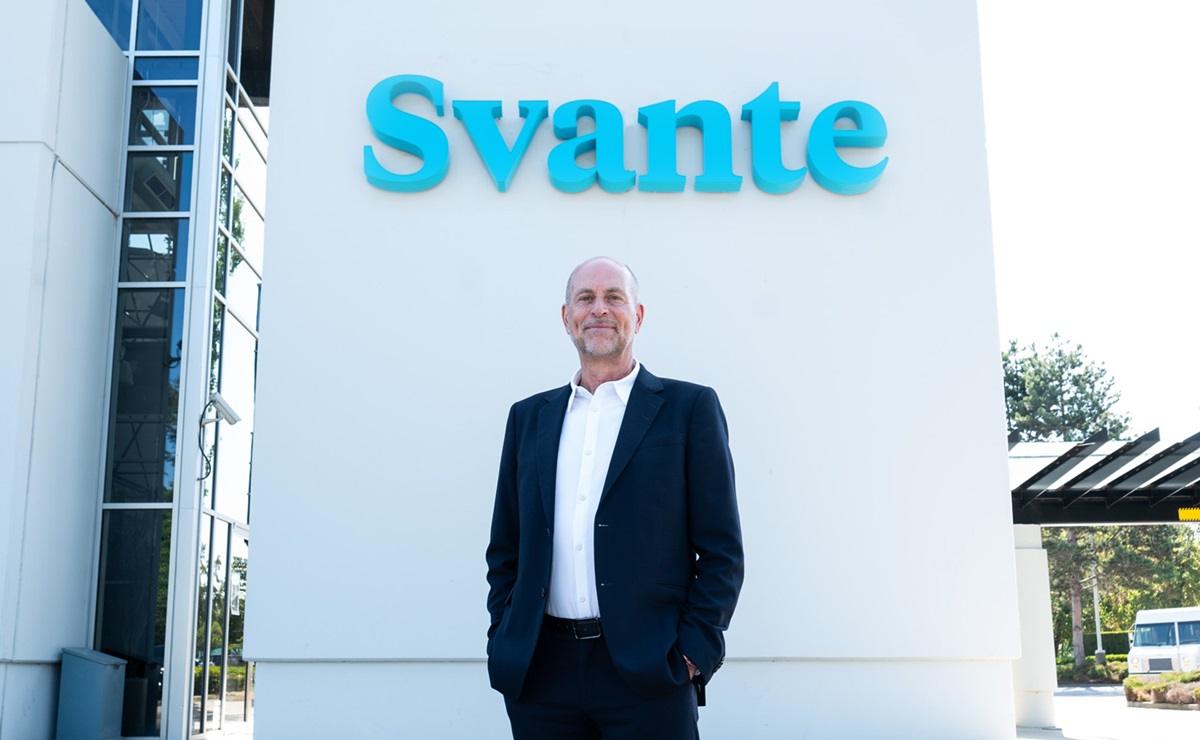
The global energy landscape continues its dynamic shift, with carbon capture, utilization, and storage (CCUS) technologies emerging as critical components of industrial decarbonization strategies. In a significant move highlighting this trend, Svante, a leader in carbon removal technology, has acquired Carbon Alpha, a project developer specializing in carbon dioxide removal (CDR). This strategic integration positions Svante to accelerate its transition from a technology provider to a fully integrated carbon management solution, a development that warrants close attention from investors tracking the energy transition. This analysis will delve into the implications of this acquisition, assess it against current market conditions, and consider its future impact in light of upcoming energy events and prevailing investor sentiment.
The Strategic Imperative: Consolidating Carbon Management Capabilities
Svante’s acquisition of Carbon Alpha represents a decisive step towards vertical integration within the burgeoning carbon management sector. Svante, known for its innovative structured adsorbent beds and modular rotary contactor machines designed to capture CO2 from industrial emissions, has traditionally focused on providing the core technology. Carbon Alpha, launched in 2021, brings to the table critical expertise in project development, particularly in bioenergy with carbon capture and storage (BECCS) and industrial CCS, alongside a track record as a supplier of high-quality carbon credits. This synergy creates a more robust, end-to-end offering, capable of tackling large-scale emissions across diverse industries such as hydrogen, pulp and paper, lime, cement, steel, and chemicals.
A cornerstone of this acquisition is the immediate addition of the North Star BECCS Project to Svante’s portfolio. Developed in partnership with the Meadow Lake Tribal Council (MLTC), this project will integrate BECCS at an existing forestry biomass cogeneration facility, the MLTC Bioenergy Centre. Phase 1 of North Star is projected to capture a substantial 140,000 tons of CO2 per year, demonstrating the tangible scale and impact of such integrated solutions. For investors, this move signals a maturation in the carbon capture market, where companies are consolidating capabilities to offer comprehensive services, from technology deployment to project financing and carbon credit monetization. The partnership with MLTC, a co-owner in the BECCS facility, also underscores the increasing importance of community engagement and equitable development in large-scale climate solutions.
Navigating Market Headwinds: Crude Prices and Decarbonization Investment
While the long-term trajectory for decarbonization remains firm, the immediate investment climate is constantly influenced by the broader energy market. As of today, Brent Crude trades at $93.04, reflecting a marginal dip of 0.21% for the day, with WTI Crude at $89.43, down 0.27%. This follows a more pronounced trend observed over the past 14 days, where Brent has seen a 7% decline, moving from $101.16 to $94.09. Such fluctuations naturally lead investors to question the short-term direction of the market, with our proprietary data showing significant reader interest in whether WTI is “going up or down” and predictions for “the price of oil per barrel by end of 2026.”
For investors eyeing the carbon capture space, this current market snapshot offers a nuanced perspective. While sustained low crude prices could theoretically reduce immediate pressure on some industrial emitters to invest in costly decarbonization, the underlying drivers for CCS remain robust. These include escalating regulatory pressures, growing ESG mandates from institutional investors, and the increasing value of verifiable carbon credits. Svante’s strategic acquisition, therefore, can be viewed as a long-term play, capitalizing on the inevitable shift towards a lower-carbon economy irrespective of transient crude oil volatility. The ability to generate high-integrity carbon credits, particularly from BECCS projects, offers a new revenue stream and mitigates some of the CapEx risks associated with these technologies, making them more attractive even when traditional energy commodities face headwinds.
Forward Momentum: Upcoming Catalysts for the Energy Sector and CCS
The next few weeks promise a series of key data releases that will offer further clarity on the broader energy market, indirectly influencing the investment landscape for technologies like carbon capture. Investors will be closely watching the EIA Weekly Petroleum Status Reports on April 22nd, April 29th, and May 6th, alongside the Baker Hughes Rig Count reports on April 24th and May 1st. These regular updates provide crucial insights into crude oil and natural gas supply, demand, and drilling activity. Additionally, API Weekly Crude Inventory data will be released on April 28th and May 5th, further shaping short-term market sentiment.
Perhaps the most significant forward-looking event for the broader energy transition, including carbon capture, is the EIA Short-Term Energy Outlook (STEO) due on May 2nd. The STEO provides projections for energy supply, demand, and prices, offering a macroeconomic backdrop against which to evaluate specific technology investments. A bullish outlook on energy demand, coupled with evolving policy frameworks, could accelerate the need for and investment in decarbonization solutions like Svante’s integrated offering. Conversely, a more cautious outlook might highlight the importance of cost-effectiveness and scalability for these technologies to gain wider adoption. For investors, monitoring these traditional energy market signals is vital, as they indicate the overall capital flow and policy direction that will ultimately impact the funding and viability of carbon capture projects and the burgeoning carbon credit market.
Investor Focus: Diversification and Long-Term Value in the Energy Transition
Our proprietary reader intent data reveals a sophisticated investor base keen on understanding long-term trends and specific company performance within the energy sector. Questions like “How well do you think Repsol will end in April 2026” and “what do you predict the price of oil per barrel will be by end of 2026?” underscore a desire for comprehensive market insights and forward-looking analysis beyond daily price movements. This acquisition by Svante speaks directly to this investor demand for diversification and long-term value creation in the context of the energy transition.
Svante’s move to acquire Carbon Alpha exemplifies how companies are strategically positioning themselves to capture value in the evolving energy mix. By expanding into project development and carbon credit generation, Svante is not just selling technology; it’s offering a solution that addresses both emissions reduction and a new commodity market. The focus on “high-integrity” carbon credits from projects like North Star BECCS is particularly crucial for attracting institutional capital, as investors increasingly demand verifiable and durable carbon removal. Moreover, the general interest in analytical tools and data sources, as indicated by questions about platforms like EnerGPT, highlights the need for robust, data-driven insights to navigate the complexities of these emerging markets. Svante’s integrated approach provides a clearer investment thesis, linking technological innovation with project execution and market-driven revenue streams, thereby appealing to investors seeking exposure to credible, scalable decarbonization plays.
In conclusion, Svante’s acquisition of Carbon Alpha is a significant development in the carbon capture and removal sector, signaling a maturing market where integrated solutions are becoming paramount. Despite short-term fluctuations in crude oil prices, the strategic drivers for decarbonization remain strong, supported by regulatory pushes and investor demand for ESG-compliant assets. As we move through upcoming energy events, the long-term outlook for carbon capture technologies, particularly those offering verifiable carbon credits, appears increasingly compelling for discerning investors.


