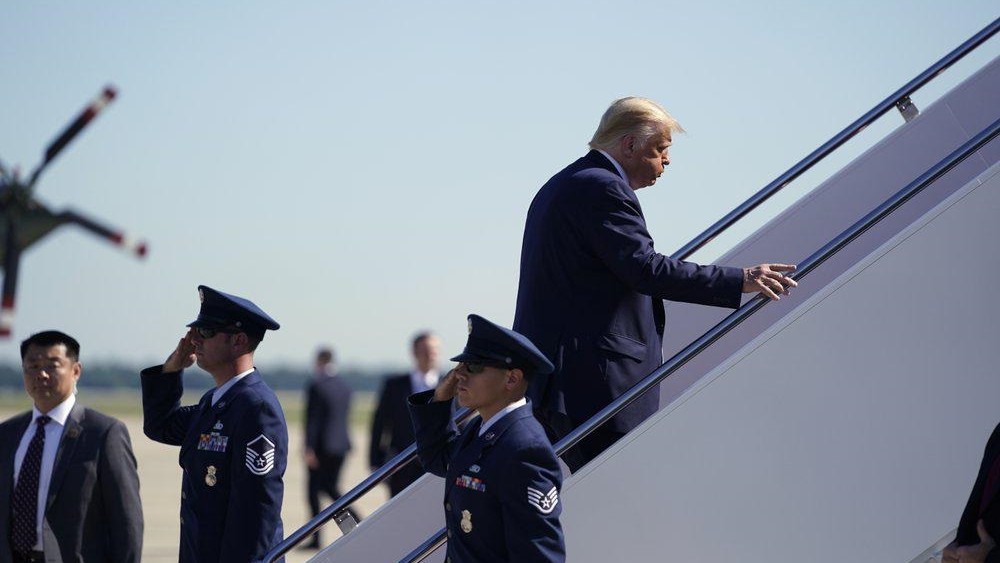
Investors in the oil and gas sector are bracing for a period of sustained volatility, particularly concerning gasoline prices, which a recent statement from President Donald Trump suggests could remain elevated through the November 2026 midterm elections. This rare political acknowledgment underscores the deep intertwining of geopolitical risk and energy market dynamics. While the President characterized higher fuel costs as a “very small price to pay” for long-term global stability and the neutralization of Iran’s nuclear threat, market participants must look beyond rhetoric to the tangible supply-side pressures and demand signals shaping the investment landscape. Our proprietary data pipelines at OilMarketCap reveal a complex picture of price action, upcoming catalysts, and pressing investor concerns that will define performance in the coming months.
Geopolitical Tensions Drive Volatility Amidst Recent Price Action
The specter of geopolitical instability in the Middle East continues to cast a long shadow over global energy markets, directly impacting crude oil benchmarks. The collapse of ceasefire talks between the United States and Iran has reignited fears of supply disruptions, providing a fresh impetus for price appreciation. As of today, Brent Crude trades at $95.32 per barrel, marking a robust 5.47% increase within the day’s range of $92.77-$97.81. Similarly, WTI Crude stands at $87.23 per barrel, up 5.62% with a day range of $85.45-$89.6. While these daily gains are significant, they represent a bounce back from recent lows. OilMarketCap’s 14-day Brent trend data indicates a substantial correction, falling from $112.78 on March 30, 2026, to $90.38 by April 17, 2026 – a decline of nearly 20%. This sharp retraction followed by today’s rebound highlights the extreme sensitivity of the market to unfolding geopolitical events.
A key driver of this recent tension is the U.S. strategy to curb Iran’s oil exports, specifically through actions in the critical Strait of Hormuz. President Trump has directed the Navy to intercept any vessels that have paid “crossing fees” or tolls to Iran, labeling such payments as extortion. While initially framed as a potential total blockade, U.S. Central Command (CENTCOM) later clarified that the operation would specifically target maritime traffic entering or exiting Iranian ports. This targeted interdiction, designed to throttle Iranian crude flows, introduces a substantial risk premium into prices, as any escalation could severely impact a vital global choke point for oil transit.
Navigating Uncertainty: Investor Questions and Upcoming Catalysts
The current market environment is characterized by profound investor uncertainty, a sentiment clearly echoed in the questions our AI assistant, EnerGPT, is fielding this week. Queries like “is WTI going up or down” and “what do you predict the price of oil per barrel will be by end of 2026?” underscore the urgent need for directional guidance and a longer-term outlook. This demand for clarity is particularly acute given the recent price swings and the complex interplay of fundamental and geopolitical factors.
Looking forward, the next two weeks present several critical calendar events that could serve as significant catalysts for price movement and provide much-needed clarity. The OPEC+ Joint Ministerial Monitoring Committee (JMMC) Meeting on April 20, 2026, followed by the full OPEC+ Ministerial Meeting on April 25, 2026, will be closely watched. Any signals regarding production quotas or supply strategy from these influential producers could dramatically shift market sentiment. Amidst rising geopolitical tensions and the ongoing Middle East conflict, OPEC+’s stance on maintaining or adjusting current output levels will be paramount. Investors will also be scrutinizing weekly inventory data from the API (April 21 & April 28) and the EIA (April 22 & April 29), alongside the Baker Hughes Rig Count (April 24 & May 1), for insights into U.S. supply and demand dynamics. These reports will provide crucial fundamental data points to balance against the prevailing geopolitical narrative and help answer those pressing questions about market direction.
Gasoline Prices: A Political Bellwether Through Midterms
The price at the pump remains a highly visible and politically sensitive indicator for American consumers. President Trump’s candid admission that gasoline prices could remain high, or even slightly higher, through the November 2026 midterm elections highlights the political ramifications of current energy market trends. This perspective suggests that the geopolitical premium embedded in crude oil is likely to translate directly into consumer costs for the foreseeable future. Currently, the national average for gasoline stands at $3.04 per gallon, reflecting a 3.75% increase today. While this figure is significantly lower than some recent peaks, its trajectory and sustained level are what concern politicians and consumers alike.
Industry analysts, including those whose warnings we monitor, have suggested that gasoline prices are poised for further increases as underlying oil markets react to international developments. Factors such as refining margins, seasonal demand patterns, and the ongoing conflict in the Middle East combine to create persistent upward pressure. Even if crude oil prices exhibit volatility, the overall geopolitical backdrop and the U.S. administration’s firm stance on Iran suggest a challenging environment for any significant, sustained relief at the pump. For investors, this implies continued strength in refining sector margins and potential opportunities in companies with robust downstream operations, even as upstream plays face geopolitical headwinds.
Outlook: Navigating the Intersection of Policy, Production, and Price
The coming months will test the resilience of the global oil and gas markets, with prices caught in a delicate balance between policy decisions, production realities, and geopolitical flashpoints. The U.S. administration’s assertive posture towards Iran, coupled with the broader Middle East conflict, ensures that supply-side risks will remain a dominant theme. While President Trump frames these costs as necessary for global security, investors must assess the tangible economic impact and the potential for market disruption.
The significant daily gains observed in Brent and WTI today, following a substantial correction, underscore the market’s hypersensitivity to news flow. Future price action will hinge on the outcomes of upcoming OPEC+ meetings, the trajectory of U.S. inventory reports, and, critically, the evolution of the U.S.-Iran standoff in the Strait of Hormuz. For sophisticated oil and gas investors, a nuanced understanding of these interconnected forces—from high-level diplomatic maneuvers to granular inventory data—will be essential to identify opportunities and mitigate risks in a market poised for continued dynamism through the 2026 midterms and beyond.


