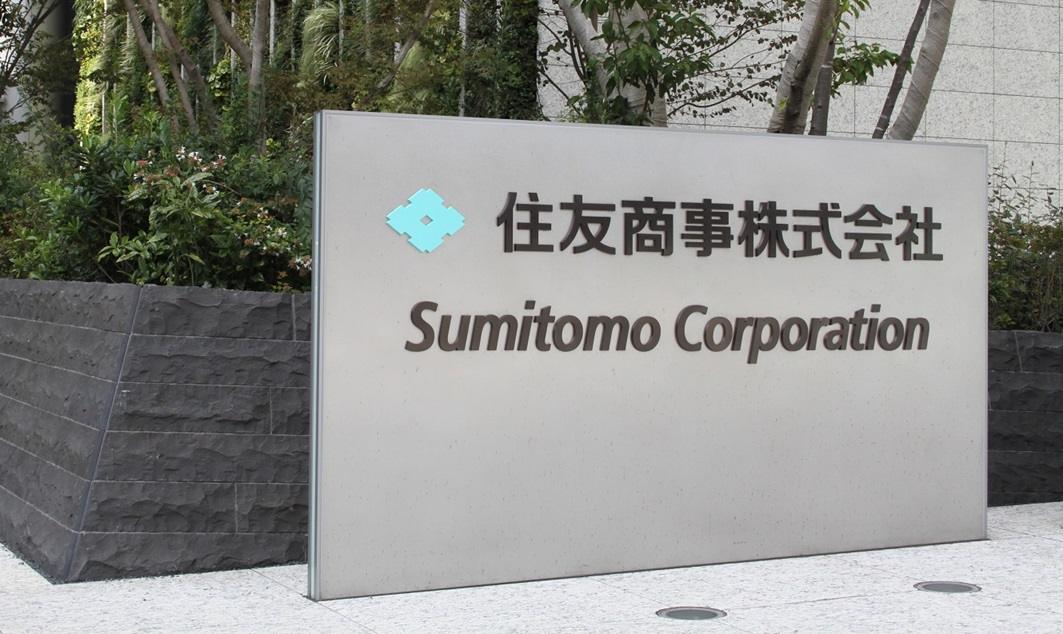
The global energy landscape continues its dynamic shift, presenting both challenges and compelling opportunities for investors. In a significant move highlighting this ongoing transition, Japan’s Sumitomo Corporation has committed a substantial £7.5 billion (approximately USD$10.2 billion) towards clean energy and infrastructure projects in the United Kingdom by 2035. This long-term investment, focused primarily on offshore wind and hydrogen, underscores the strategic pivot towards decarbonization, even as traditional oil and gas markets remain robust. For astute investors, understanding the interplay between these emerging green technologies and the persistent demand for hydrocarbons is crucial in navigating the complex energy future.
The UK’s Green Ambition Meets Global Capital
Sumitomo’s commitment represents a powerful endorsement of the UK’s ambitious clean energy strategy, aiming to solidify its position as a clean energy superpower. This partnership, facilitated by the UK government, channels major capital into critical growth sectors, aligning with the nation’s new industrial strategy and its 10-Year Infrastructure Strategy. The £10.2 billion investment over the next decade will primarily fuel the expansion of offshore wind capabilities and the development of a nascent hydrogen economy. These areas are not just environmentally significant but also represent high-growth potential, creating valuable jobs and fostering innovation. Hajime Mori, Sumitomo’s Executive Officer, emphasized the company’s established track record in UK decarbonization initiatives and its intent to leverage these strengths further. The deal also highlights the increasing importance of the UK-APAC trading relationship, currently valued at over £135 billion, as the UK seeks to unlock new investment avenues from the Asia-Pacific region to support its green agenda and broader economic growth.
Navigating a Dual Energy Landscape: Current Market Signals
While long-term green investments like Sumitomo’s are gaining traction, the immediate energy market continues to demonstrate the persistent reliance on traditional fuels. As of today, Brent crude trades at $94.94 per barrel, reflecting a marginal increase of 0.16% within a daily range of $91 to $96.89. Similarly, WTI crude stands at $91.42, up 0.15%, fluctuating between $86.96 and $93.3. Gasoline prices also show a slight uptick at $3 per gallon. These figures illustrate a market that, despite global decarbonization efforts, maintains strong demand for oil and gas, underpinning current valuations for exploration and production companies. However, this immediate stability contrasts with the recent trend for Brent, which has seen a notable decline of 8.8% over the past 14 days, falling from $102.22 on March 25th to $93.22 on April 14th. This shift suggests a potential easing of some geopolitical risk premiums or a re-evaluation of demand-supply dynamics, but prices remain at levels that support significant upstream investment. Investors must weigh this robust, albeit somewhat volatile, conventional energy market against the steady, strategic capital flowing into renewable infrastructure.
Investor Focus: Balancing Short-Term Volatility with Long-Term Vision
Our proprietary data indicates that OilMarketCap readers are keenly focused on understanding the trajectory of crude prices, with frequent inquiries around building a base-case Brent price forecast for the next quarter and the consensus 2026 Brent forecast. This reflects a fundamental investor need to gauge the near and medium-term profitability of oil and gas assets. The Sumitomo investment in the UK’s clean energy sector offers a crucial counterpoint to this traditional focus. While investors track the operational health of Chinese tea-pot refineries as a proxy for Asian demand, or analyze what’s driving Asian LNG spot prices, deals like the UK-Sumitomo partnership highlight a parallel investment thesis: diversification into long-duration clean energy assets. These investments, particularly in proven technologies like offshore wind and emerging ones like hydrogen, offer a hedge against the eventual plateauing of fossil fuel demand. For a well-rounded portfolio, understanding the implications of robust current oil prices alongside the accelerating capital deployment in renewables is paramount. The strategic capital being deployed by Sumitomo suggests that while oil will remain critical for years, the long-term capital flow is undeniably shifting towards new energy paradigms.
Ahead on the Calendar: Macro Factors and Micro Opportunities
The coming weeks present several key events that will undoubtedly influence short-term energy market dynamics, offering a tactical counterpoint to long-term strategic investments. This Friday, April 17th, the Baker Hughes Rig Count will provide an updated snapshot of North American drilling activity, signaling potential shifts in future supply. More critically, the OPEC+ Joint Ministerial Monitoring Committee (JMMC) convenes on Saturday, April 18th, followed by the full OPEC+ Ministerial Meeting on Monday, April 20th. These gatherings will be closely watched for any indications regarding production quotas, which could significantly impact global crude prices. Further insights into supply and demand will come from the API Weekly Crude Inventory report on Tuesday, April 21st, and the EIA Weekly Petroleum Status Report on Wednesday, April 22nd, with similar reports scheduled for the following week. These granular data points and high-level policy decisions will dictate the immediate trading environment for oil and gas. In contrast, the Sumitomo deal represents a long-term, structural investment, largely insulated from weekly inventory fluctuations or OPEC+ output adjustments. Investors are thus presented with a dual opportunity: tactical trading and positioning based on upcoming market catalysts, alongside strategic, patient capital deployment into the growing clean energy sector, exemplified by the UK’s commitment to becoming a clean energy superpower.


