The global energy landscape is in constant flux, but few trends are as definitive as the accelerating march towards vehicle electrification. While the immediate focus of oil and gas investors often centers on crude price volatility and supply-side dynamics, a quiet revolution is unfolding in the materials science underpinning electric vehicles (EVs). A significant development, exemplified by companies exploring innovative steel-based battery housing concepts, is poised to redefine cost structures, sustainability profiles, and safety standards across the EV value chain. This shift from traditional aluminum to more economical and robust steel components represents a critical pivot point, potentially lowering the barrier to entry for EV adoption and influencing long-term demand projections for fossil fuels. For sophisticated investors, understanding the implications of such material innovations is paramount to navigating the evolving energy transition.
The Structural Shift in Battery Housing: Steel’s Economic and Environmental Edge
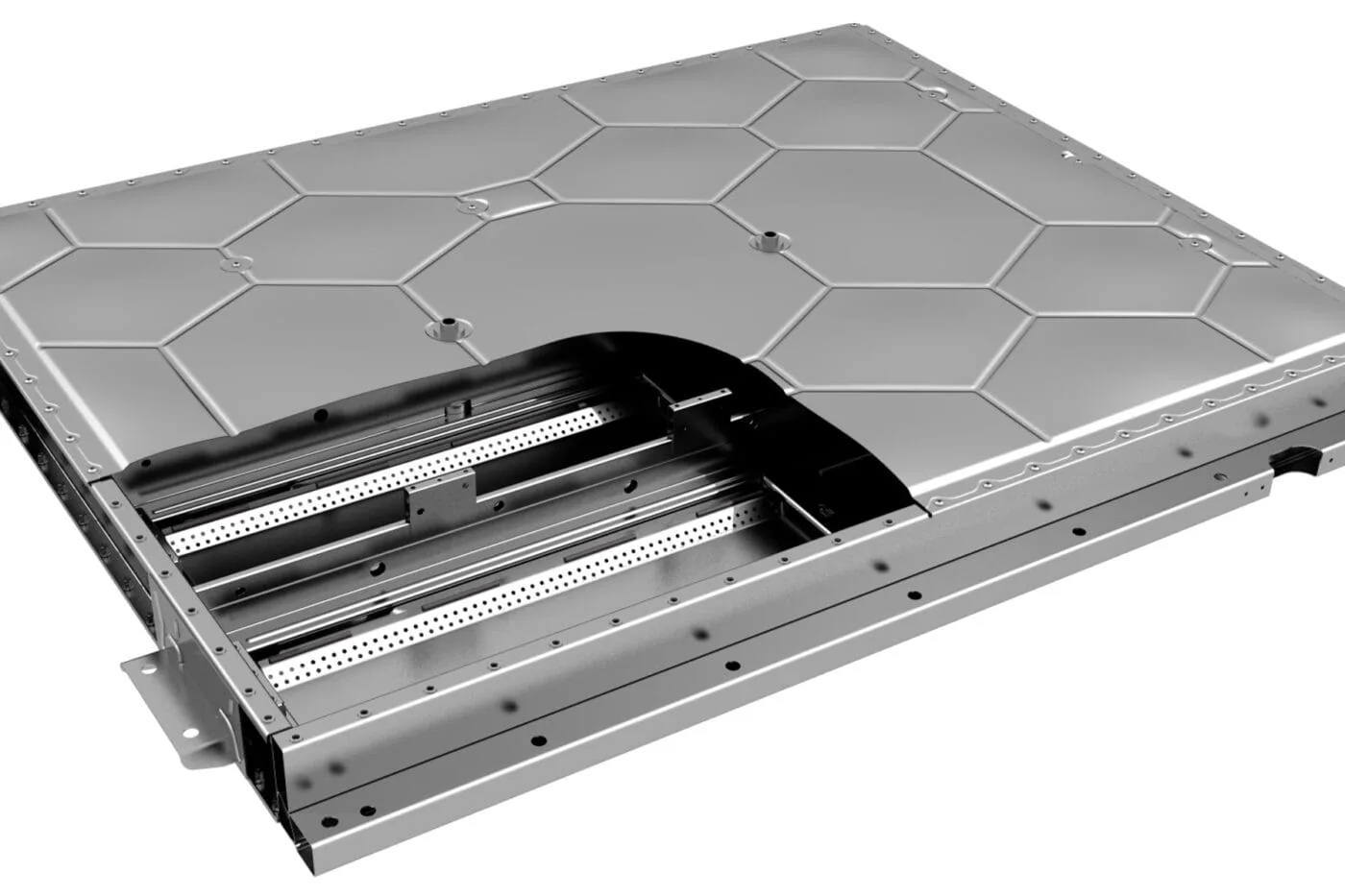
For years, aluminum has been the material of choice for EV battery housings, primarily due to its lighter weight. However, this conventional wisdom is being challenged by advanced steel concepts that promise to reverse the equation. While aluminum is inherently lighter, achieving comparable strength often necessitates thicker components, increasing overall material usage. Steel, with its superior inherent strength, allows for significantly thinner walls in battery housings, potentially leading to comparable or even lighter assemblies. This engineering breakthrough is not just about weight; it’s a fundamental re-evaluation of the cost-benefit analysis. Steel production typically demands less energy and generates a smaller carbon footprint compared to aluminum, making it a more sustainable and economically attractive option. Crucially, the material is easier to recycle, aligning with circular economy principles. Furthermore, safety remains non-negotiable. Advanced steel designs, incorporating precisely placed weld seams and specialized sealing solutions, are engineered to offer exceptional protection for both battery cells and vehicle occupants against collisions and foreign objects. This focus on cost, sustainability, and safety, driven by material innovation, directly addresses key concerns for EV manufacturers and, by extension, the entire automotive supply chain.
Navigating Current Market Volatility Amidst the EV Transition
While the long-term trajectory of electrification gains momentum, the immediate energy market presents a picture of significant volatility. As of today, Brent crude trades at $90.38, reflecting a substantial 9.07% drop from its prior close, with an intraday range spanning from $86.08 to $98.97. Similarly, WTI crude has seen a sharp decline, now at $82.59, down 9.41% within a range of $78.97 to $90.34. This downturn is part of a broader trend; over the past two weeks, Brent has shed $22.4, representing a nearly 20% depreciation from its March 30th peak of $112.78. Gasoline prices mirror this trend, currently at $2.93, down 5.18% for the day. This current market snapshot, characterized by pronounced downward pressure, suggests a confluence of factors, including global economic concerns and potentially shifting supply-demand sentiment. However, for astute investors, these short-term fluctuations should not overshadow the persistent, structural shifts underway. The acceleration of EV adoption, driven by innovations like more cost-effective steel battery housings, fundamentally alters the long-term demand outlook for crude and refined products, challenging the sustained high-price environment for traditional fuels.
Upcoming Events and the Long-Term Demand Picture
The interplay between immediate market dynamics and long-term structural shifts is starkly evident when we consider upcoming energy events. With the OPEC+ JMMC Meeting scheduled for April 19th and the full Ministerial Meeting on April 20th, market participants are keenly awaiting signals regarding production quotas and supply management strategies. Our readers are actively asking about “OPEC+ current production quotas,” highlighting the immediate relevance of these decisions. However, OPEC+’s challenge is not merely to balance current supply but to anticipate future demand in a world increasingly embracing electrification. Weekly data from API and EIA, due on April 21st/22nd and April 28th/29th respectively, will provide critical insights into crude and product inventories, offering a pulse check on immediate consumption trends. Yet, the broader narrative, reinforced by advancements in EV component manufacturing like steel battery housings, suggests a future where demand growth for crude oil might be increasingly constrained. Technologies that reduce EV manufacturing costs and enhance sustainability directly contribute to faster EV penetration, making long-term oil demand forecasts a complex puzzle that OPEC+ must continually re-evaluate. The Baker Hughes Rig Count, released on April 24th and May 1st, will reflect current upstream activity, but the true investment thesis for the coming decade lies in understanding how quickly these demand-side innovations take hold.
Investment Horizons: Beyond the Barrel, Into Manufacturing Excellence
For investors focused on the energy transition, the implications of this material shift extend well beyond direct oil and gas plays. The move towards steel battery housings signifies a burgeoning opportunity in advanced manufacturing and materials science. Companies specializing in steel production, fabrication, and sophisticated welding technologies stand to benefit significantly. This is not a standardized, off-the-shelf product; instead, solutions are developed according to specific customer requirements, integrating necessary ventilation ducts, cable routing for high-voltage connections, and precise arrangements for individual battery modules. This customization implies a need for strong engineering expertise and collaborative partnerships within the automotive supply chain. While some readers are asking about the performance of specific integrated energy companies like “Repsol” and “what do you predict the price of oil per barrel will be by end of 2026,” the bigger picture for long-term value creation involves identifying companies poised to capitalize on the EV revolution’s underlying component innovations. Investing in firms that offer economical, sustainable, and safe solutions for critical EV components, whether for battery-electric vehicles or plug-in hybrids, represents a strategic diversification into the core of future mobility. The competitive advantage will lie with those who can deliver high-performance, cost-effective solutions that accelerate EV adoption and shape the next generation of transportation.