Iberian Blackout Casts Shadow on Energy Transition Narratives
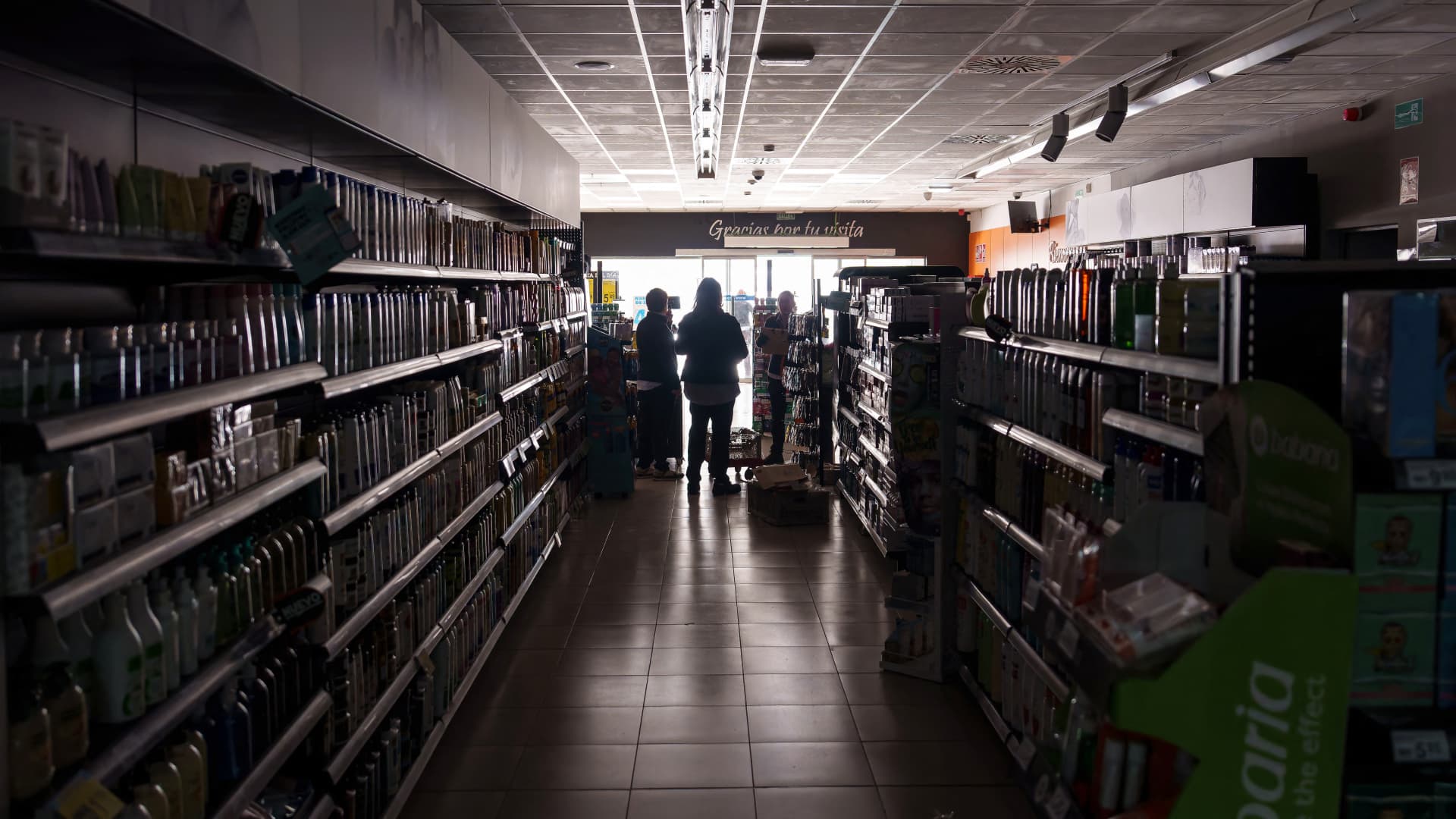
A sweeping power failure on April 28, 2025, plunged vast swathes of the Iberian Peninsula and southern France into darkness, marking one of Europe’s most significant grid disruptions in recent memory. The hours-long outage paralyzed essential services, stranding thousands of rail passengers, severing communication for millions without phone or internet, and blocking access to funds via ATMs. This catastrophic event immediately triggered intense scrutiny into the region’s energy infrastructure and the reliability of its power sources, particularly in nations heavily invested in renewable energy.
As Spanish authorities initiate multiple investigations, including a critical probe into potential cyberattack involvement, the incident has ignited a fierce debate among policymakers, industry experts, and investors. The core of this discussion revolves around the delicate balance between aggressive net-zero emissions targets and the imperative of unwavering energy security. For sophisticated investors tracking the global energy landscape, this blackout serves as a stark reminder of the complex challenges inherent in the ongoing energy transition.
The Grid Under Scrutiny: Renewables and Reliability
The extensive reliance of both Spain and Portugal on wind and solar power for their electricity grids has inevitably placed renewable energy at the center of the post-blackout analysis. Some external observers and opposition parties in Spain were quick to suggest that high levels of intermittent renewable generation, coupled with ambitious decarbonization goals, might have contributed to the grid’s vulnerability.
U.S. Energy Secretary Chris Wright articulated a prevailing skepticism on April 28, noting, “It’s very sad to see what’s happened to Portugal and Spain and so many people there, but you know, when you hitch your wagon to the weather, it’s just a risky endeavor.” His comments reflect a growing concern within certain investment circles about the inherent volatility of weather-dependent power sources and their integration into national grids.
However, Spanish Prime Minister Pedro Sanchez and the national grid operator, Red Electrica de Espana (REE), swiftly dismissed claims that record levels of renewable energy were responsible for the outage. Similarly, European Union energy chief Dan Jorgensen stated that there was “nothing unusual” about the energy mix supplying the system at the time of the incident, concluding that “the causes of the blackout cannot be reduced to a specific source of energy, for instance renewables.” These conflicting statements underscore the politically charged nature of the energy debate and the need for data-driven analysis rather than snap judgments.
Beyond Blame: The Call for Stronger Infrastructure
Amidst the immediate finger-pointing, leaders in the energy technology sector urged caution. Henrik Andersen, CEO of Danish wind turbine manufacturer Vestas, called for “a degree of statesmanship” while investigations unfold. He emphasized a fundamental truth often overlooked in the race for decarbonization: “First of all, energy security means that you can run societies without having blackouts. That’s stating the obvious.”
Andersen’s remarks highlight a critical area for investment: grid modernization and resilience. He advocated against premature conclusions, stating, “Everyone is grasping quick root causes and blaming each other, and I simply just don’t want to go there because until we know the root cause of why grids can fail across Spain and Portugal, let’s not second guess or try to blame someone at cybersecurity or blame individual energy sources.” His overarching message resonated with many: “Europe needs more energy — and we probably also need a stronger grid.” This sentiment points to significant opportunities for companies involved in grid infrastructure development, energy storage solutions, and advanced grid management technologies.
Investment Implications for the Energy Sector
For investors, the Iberian blackout offers critical insights into the evolving risk landscape of the energy sector. The incident vividly illustrates that energy security is not merely about supply volumes but also about grid stability and resilience. This renewed focus on uninterrupted power delivery could bolster investment cases for dispatchable, baseload power sources, including natural gas, nuclear, and even advanced oil-based backup systems where appropriate.
Traditional oil and gas companies, often viewed through a lens of decline in a net-zero future, might find renewed relevance as providers of reliable, on-demand energy that can stabilize grids increasingly populated by intermittent renewables. Investments in natural gas infrastructure, flexible power generation, and even strategic oil reserves could see renewed interest as governments prioritize stability alongside sustainability. Furthermore, the imperative for a “stronger grid” translates directly into substantial capital expenditure on transmission lines, smart grid technologies, energy storage, and cybersecurity, creating a robust market for infrastructure and technology providers.
Navigating Geopolitical and Cyber Risks
The ongoing investigation into a potential cyberattack as a cause for the blackout adds another layer of complexity for energy investors. In an increasingly interconnected and digitally reliant world, critical energy infrastructure is a prime target for state-sponsored actors and malicious groups. This elevates the importance of cybersecurity within energy companies and grid operators, driving demand for advanced security solutions and expertise. Investors should assess the cybersecurity posture of energy companies as a significant factor in their overall risk profile.
Geopolitical tensions further amplify these risks. Dependence on energy imports from potentially hostile regions, coupled with the vulnerability of digital infrastructure, creates a volatile environment. Diversification of energy sources, both geographically and technologically, becomes paramount for national security and economic stability. This reinforces the argument for a balanced energy portfolio that leverages domestic resources and robust international partnerships.
The Path Forward: A Balanced Energy Portfolio
The widespread Iberian power outage of April 28, 2025, serves as a powerful cautionary tale for the global energy community. While the push towards decarbonization through renewable energy is undeniable, this event underscores that the transition must be managed with extreme care, prioritizing grid stability and energy security above all else. The incident highlights that a reliable grid is not a given but a complex engineering feat that requires continuous investment and strategic planning.
For savvy investors, the takeaway is clear: the energy future demands an “all-of-the-above” approach, integrating the best of renewable technologies with robust, dispatchable baseload power and a modern, resilient grid infrastructure. Opportunities abound not only in developing new renewable capacity but also in enhancing grid reliability, investing in energy storage, and ensuring the continued availability of flexible fossil fuel-based generation as a critical bridge. The market will increasingly reward companies that can contribute to a secure, stable, and sustainable energy ecosystem.