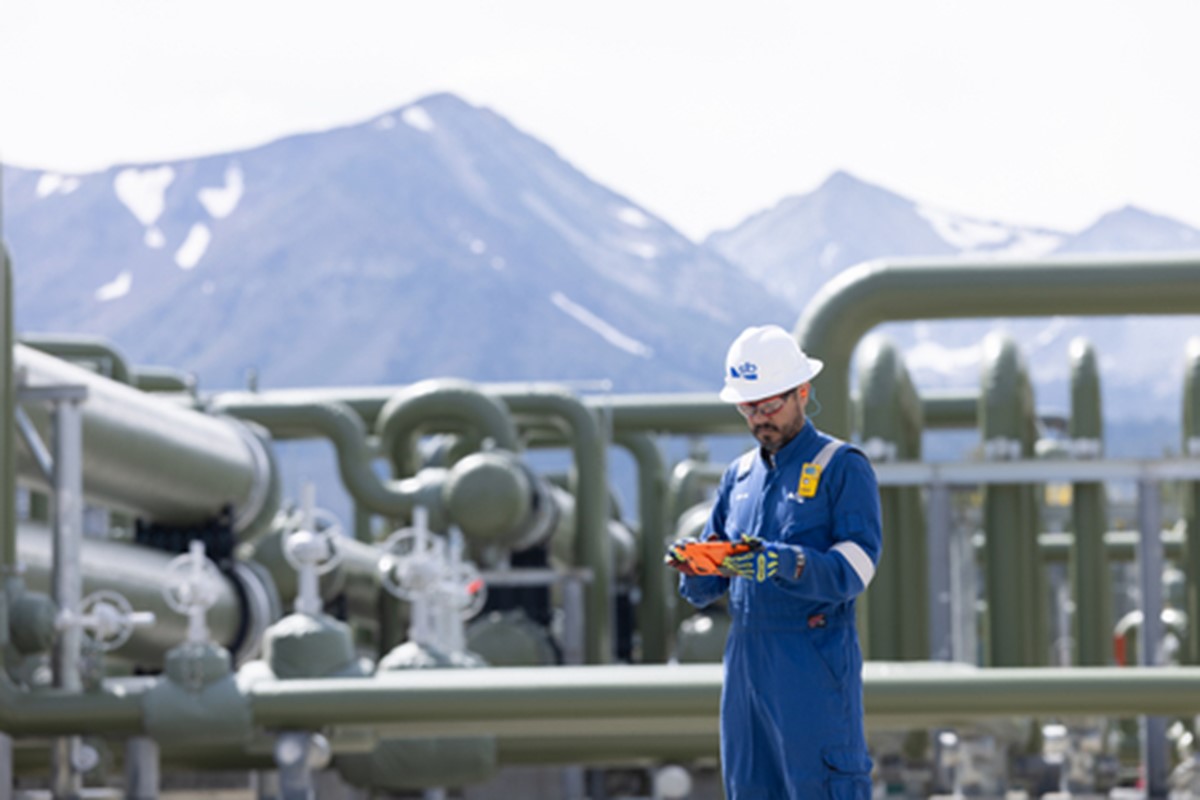
SLB’s recent strategic agreement with Ormat Technologies to accelerate the development and commercialization of integrated geothermal assets marks a significant pivot for the energy services giant. This partnership, focusing heavily on Enhanced Geothermal Systems (EGS), positions SLB at the forefront of a burgeoning clean energy sector. For investors keenly watching the evolution of diversified energy portfolios, this collaboration presents a compelling narrative of leveraging existing subsurface expertise to tap into a high-potential, reliable baseload energy source, moving beyond traditional hydrocarbons while addressing escalating global energy demands driven by factors such as artificial intelligence.
The Strategic Imperative: SLB’s Diversification into Geothermal
SLB’s move into geothermal, particularly with a recognized leader like Ormat, underscores a clear strategic imperative to adapt and grow within the rapidly evolving global energy landscape. The partnership aims to make both traditional hydrothermal and next-generation EGS technologies truly competitive and commercially viable. This is crucial as the demand for clean, reliable baseload energy intensifies, exacerbated by the power-hungry requirements of emerging technologies like AI. Geothermal offers a constant, non-intermittent power supply, a characteristic highly valued in modern grids. By combining SLB’s unparalleled subsurface, reservoir, and well-construction expertise with Ormat’s extensive experience in geothermal power-plant design and operations, the collaboration seeks to unlock geothermal resources in regions far beyond conventional hydrothermal sites. The U.S. Department of Energy’s ambitious estimate that next-generation geothermal could supply up to 300 GW of power domestically by 2050 – nearly one-third of total U.S. generating capacity – highlights the immense, untapped potential that SLB is now strategically pursuing.
Unpacking the Partnership: Technology, Cost, and Global Commercialization
The core of the SLB-Ormat agreement lies in co-developing and deploying integrated geothermal and EGS technologies. This includes a crucial pilot EGS project slated for an existing Ormat facility. This pilot is not just a technical exercise; it’s a commercial litmus test designed to demonstrate performance at scale and validate deployment strategies for broader markets. The focus areas are clear: improving system efficiency, significantly reducing drilling and completion costs – a domain where SLB’s expertise is paramount – and optimizing surface-facility integration for long-term sustainability. Post-pilot, the companies envision a global commercialization push for EGS, targeting independent power producers, utilities, and major energy consumers such as data-center operators. This forward-looking strategy positions SLB to capture a significant share of the future energy infrastructure market, offering a stable and predictable revenue stream that complements its existing services in a world increasingly seeking energy independence and environmental stewardship.
Geothermal’s Appeal Amidst Crude Market Swings
The strategic timing of SLB’s geothermal push is particularly relevant given the current volatility in the traditional oil and gas markets. As of today, Brent Crude trades at $90.38, reflecting a significant 9.07% drop, with its day range fluctuating wildly between $86.08 and $98.97. Similarly, WTI Crude stands at $82.59, down 9.41% within a range of $78.97 to $90.34. This dramatic price movement is not an isolated incident; our proprietary data shows Brent has declined by nearly 20% over the last 14 days, from $112.78 on March 30 to its current level. This kind of persistent price instability underscores the inherent risks and unpredictable nature of relying solely on hydrocarbon revenues. Against this backdrop, the appeal of geothermal’s baseload, predictable power generation becomes even stronger for investors. Upcoming energy events, such as the OPEC+ JMMC and Ministerial Meetings on April 19th and 20th, along with the recurring API and EIA weekly inventory reports, will continue to shape short-term crude price discovery. The constant anticipation and market reaction to these events highlight the ongoing volatility that makes stable, renewable energy sources like geothermal an attractive long-term hedge and growth area for integrated energy service providers like SLB. Diversification into geothermal provides a degree of insulation from these immediate market gyrations, offering a more stable and predictable return profile.
Investor Sentiment and Future-Proofing Energy Portfolios
OilMarketCap.com readers are increasingly focused on the long-term outlook for energy investments, with questions like “what do you predict the price of oil per barrel will be by end of 2026?” dominating investor inquiries. This reflects a broader concern about future market stability and the sustainability of traditional energy portfolios. SLB’s partnership with Ormat directly addresses these anxieties. By investing in and scaling EGS, SLB is not only responding to the immediate need for clean energy but also future-proofing its business model against the inevitable transition away from fossil fuel dominance. The shift towards sustainable energy solutions is not merely an environmental mandate but a sound financial strategy, particularly as AI-driven demand for continuous, reliable power escalates. This diversification into geothermal allows SLB to cater to a new segment of the energy market while leveraging its core competencies, demonstrating a proactive approach to evolving investor expectations and global energy demands. For investors, this move signals SLB’s commitment to long-term growth and resilience, positioning it as a key player in the energy transition rather than just a beneficiary of cyclical hydrocarbon markets.